ARIN Fellows
A network of talented researchers and technocrats promoting research excellence across Africa
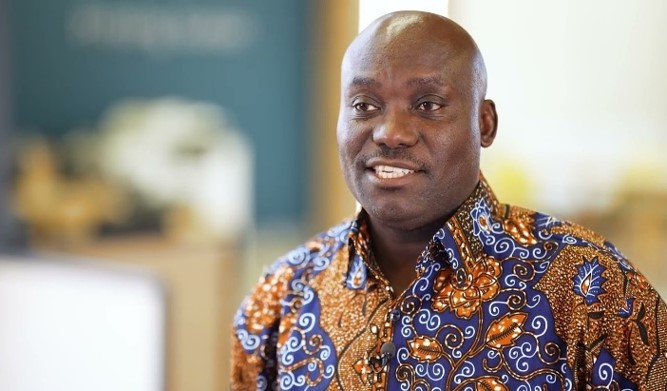
Dr. David Ssekamatte
Lecturer and Coordinator of Climate Change and Sustainability Management at the Uganda Management Institute
Dr. Ssekamatte is a dedicated development management scholar and practitioner with over 20 years of dedicated research, teaching and consultancy experience in development work, strategic planning and management, policy-related expert services, climate change and sustainability education, applied research, as well as Monitoring, Evaluation and Learning (MEL)-related work. He is currently a Lecturer and Coordinator of Climate Change and Sustainability Management at the Uganda Management Institute. He is a Certified Expert in Climate Adaptation Finance by the Frankfurt School of Finance and maintains a robust record of high-impact, peer-reviewed scholarship related to development management (climate change and sustainability education, MEL, and gender issues), published in leading international journals and publishers, complemented by a commitment to translating academic rigour into development policy and practice. My work has been focused on designing and delivering training and capacity-building interventions for managers, including policymakers across the public, private, and NGO sectors. He has provided expert services in various areas, including MEL, knowledge management, policy advocacy and analysis, strategic planning and management, climate change adaptation and resilience planning, and development of frameworks and systems for the public, private and NGO sectors. He holds a PhD in Education and Social Sciences from Carl von Ossietzky University of Oldenburg, Germany, and a Master of Arts in Economics from the University of Lucknow in India.
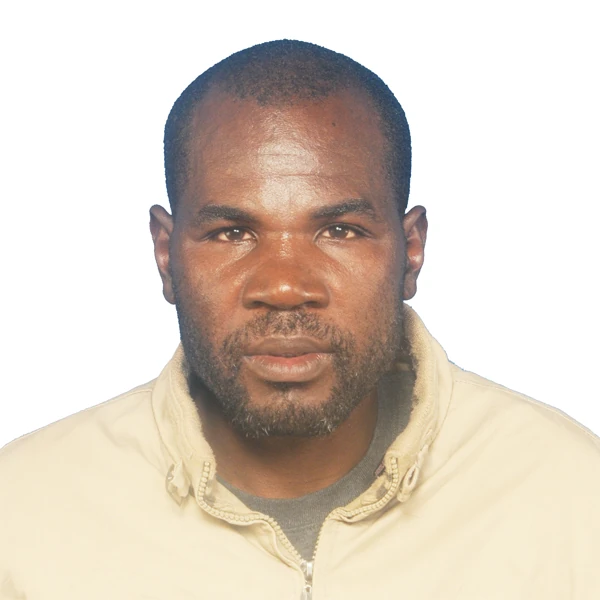
Shida Nestory
Agricultural Research Officer
Shida Nestory works as an Agricultural Research Officer (RO) under the crop department at Tanzania Agricultural Research Institute (TARI) serving as the plant breeder in the commodity common bean. He has 8 years in developing improved legume varieties and supporting the public and private sectors in strengthening seed systems. Also, engage private sector (Grain traders, Food processors, and input supply) with farmers to stimulate business. Has participated in a range of research work related to crop production across the country. His ability to research, lead, and inspire individual researchers to achieve their goals and to encourage teams to work together towards common goals has been recognized by government.
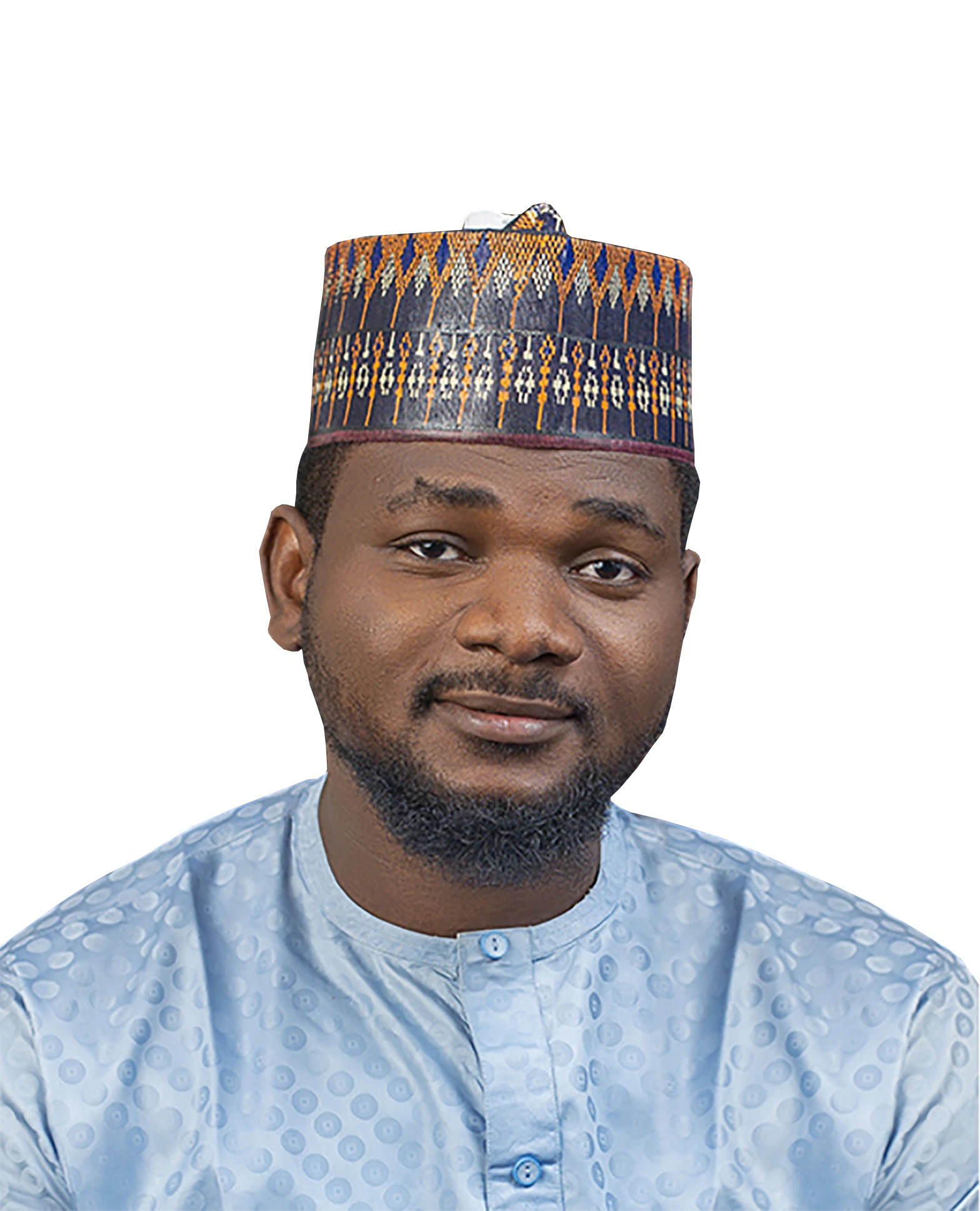
Haris Aliyu Hardo
social entrepreneur, researcher, and community development enthusiast
Haris is a social entrepreneur, researcher, and community development enthusiast with a deep commitment to social accountability, poverty reduction, and climate change. As the Co-Founder and Executive Director of United Front Africa - a youth-led nonprofit organization working to accelerate sustainable peace and development in Northeast Nigeria - Haris is dedicated to developing and scaling innovative solutions, managing projects, and building systems to safeguard communities and enhance livelihoods across Nigeria. Through his roles as both a volunteer and in leadership positions in multiple community-based organizations, he has become a passionate advocate for community-led climate action. He is particularly experienced in raising awareness about climate change, promoting inclusive environmental governance, and fostering stakeholder participation in the development and implementation of climate change mitigation, nature-based solutions, and energy transition policies.
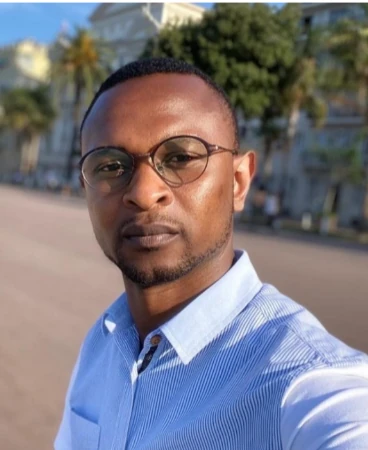
Dr. Yoksa Salmamza Mshelia
Urban Development Specialist
Dr. Yoksa Mshelia is a Research Fellow at the African Research and Impact Network (ARIN) and holds a Ph.D. in Environmental Planning and Management from Kenyatta University, sponsored by the German Academic Exchange Service (DAAD). His research focuses on climate change, urban planning, and ecological modeling, with expertise in GIS, GeoAI and remote sensing. In his work, Mshelia employs machine learning techniques to model land cover changes, urban heat islands, and their ecological impacts, with the goal of informing sustainable development policies and enhancing urban resilience in rapidly growing cities.Mshelia previously worked as a Research Assistant with the Australian National University (ANU), where he conducted an inventory study on Urban Climate Governance in Lagos (Nigeria) and Dar es Salaam (Tanzania). He holds a Master’s in Environmental Planning and Management from Kenyatta University and a Bachelor’s in Environmental Biology from the University of Maiduguri, Nigeria.
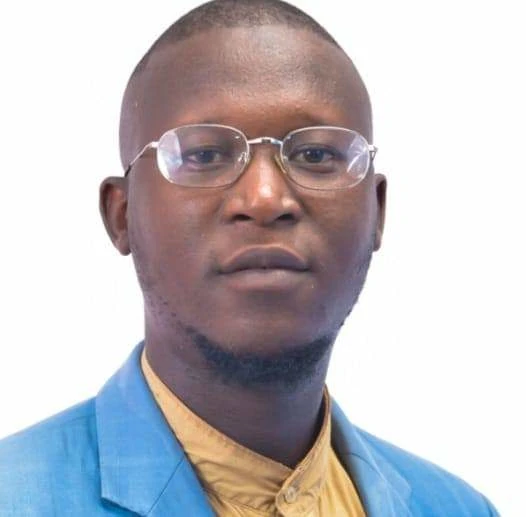
Vayanga Donzo
student in a Master of Research in Migration Cooperation and local development
Vayanga DONZO is a Guinean environmental researcher and development practitioner specializing in climate governance, sustainable development, climate finance, and community resilience. He is an Executive Director of the Association des Jeunes Dynamiques pour le Développement Durable (AJD-DD) and has extensive experience working with communities and civil society organizations on climate action, ecosystem restoration, sustainable natural resource management, and locally led development. As a researcher and consultant, he has contributed to analytical work on the Sustainable Development Goals (SDGs), climate-smart agriculture, and the links between climate change, livelihoods, and resilience in Africa. He also contributed as a researcher and co-author to the African Climate Finance Outlook work coordinated by ARIN, including the analysis of the BEAC Green Window Initiative in the CEMAC Region, examining its opportunities, challenges and potential contribution to strengthening regional climate finance and sustainable investment in Central Africa.
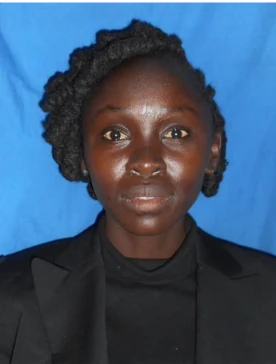
Doreen Jelagat
Geomatic Engineering and Geospatial Information Systems
A distinguished Kenyan professional specializing in Geomatic Engineering and Geospatial Information Systems, with a wealth of expertise in spatial data analysis, cadastral surveying, and GIS consultancy. She currently serves as a Cartographer I at the Ministry of Lands, Public Works, Housing, and Urban Development, where she spearheads projects involving geospatial data management, map design, and remote sensing applications. Doreen is a full member of the Institution of Surveyors of Kenya and actively contributes as a Young Surveyors Committee member. She holds a Bachelor’s degree in Geomatics Engineering and Geospatial Information Systems from Dedan Kimathi University of Technology, graduating with Second Class Honors (Upper Division). She furthered her academic journey with a Master’s degree in Geoinformatics at Taita Taveta University, where her groundbreaking research on Lake Baringo’s water levels earned a publication in the peer-reviewed journal Discover Water. Doreen is currently pursuing a Ph.D. in Environmental Engineering at the same institution, demonstrating her commitment to advancing knowledge and practice in geospatial sciences. Over her career, Doreen has collaborated with esteemed organizations, including the Baringo County Conservancy Association, Arc Surveys and Chevron Africa, contributing to projects ranging from wildlife conservation, Land survey to infrastructure development. Her technical proficiency encompasses a range of software tools, including GIS applications like ArcGIS, QGIS, and Civil 3D, and advanced programming languages for geospatial data analysis. Beyond her professional achievements, Doreen is passionate about promoting sustainable development through innovative geospatial solutions. Her dedication to empowering communities through participatory mapping initiatives underscores her belief in technology’s potential to address land tenure challenges and resource conflicts. When not engaged in professional pursuits, Doreen enjoys drawing maps, traveling, and reading motivational literature, reflecting her dynamic and multifaceted personality.
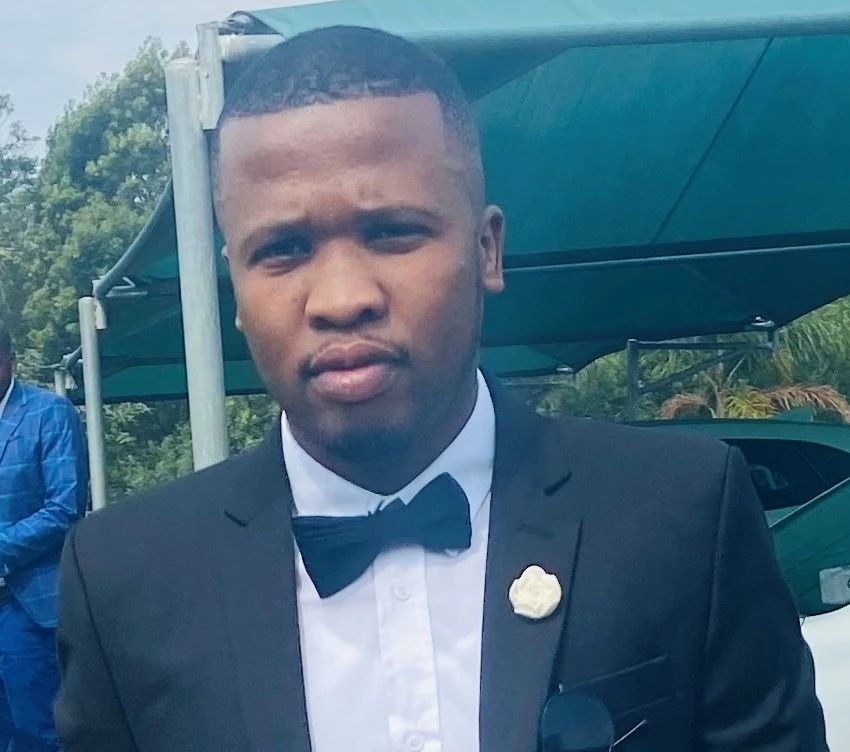
Awonke Baba
LLM/MPhil candidate in law, State and Multilevel government at the Dullar Omar Institute
Awonke Baba is an LLM/MPhil candidate in law, State and Multilevel government at the Dullar Omar Institute, University of the Western Cape. He is also a Research fellow at the African Research & Impact Network. He holds a Master of Arts (MA) in Political Sciences/International Relations from UWC, where he has extensively written and published on African continental and regional institutions.

Godfrey Maina Noel
Currently serving as a Project Manager at MPost, a venture backed technology startup
Godfrey Maina Noel is a dynamic and results-oriented professional with expertise in project management, systems thinking, and sustainable development. Currently serving as a Project Manager at MPost, a venture backed technology startup, Godfrey has over five years of experience driving impactful projects across sectors, including clean energy, logistics, and agriculture. Godfrey’s professional journey has been enhanced through participation in numerous capacity-building programs, including the beVisioneers Mercedes-Benz Fellowship, UNEP InforMEA’s International Environmental Law and Governance training, INCO Academy’s Green Digital Skills, and training in Systems Practice from Acumen Academy and Omidyar Group. These programs have equipped him with a multidimensional approach to addressing global challenges and strengthened his ability to create sustainable social impact through innovative problem-solving and cross-sector collaboration. He has been instrumental in implementing transformative initiatives such as the Results-Based Financing (RBF) model for the Sayonapps Clean Cooking Project (SCCP), which has enhanced access to clean energy solutions for underserved communities. Godfrey’s work often involves fostering partnerships with development organizations, government agencies, and private entities to design scalable, planet-positive solutions that address pressing needs such as climate adaptation and resilience. As a member of the Youth Constituency of the United Nations Framework Convention on Climate Change (YOUNGO), Godfrey actively contributes to operations that amplify youth voices in global climate governance. His commitment to knowledge sharing and stakeholder engagement has also been demonstrated through his collaborations with the Ministry of Agriculture in Kenya, where he supports training programs focused on food security, climate adaptation, and resilience for small-scale farmers. Passionate about leveraging innovation to tackle challenges such as climate change, inequality, and food security, Godfrey is committed to shaping a sustainable future. Through his work and extensive network, he continues to drive initiatives that empower communities and promote inclusive growth.
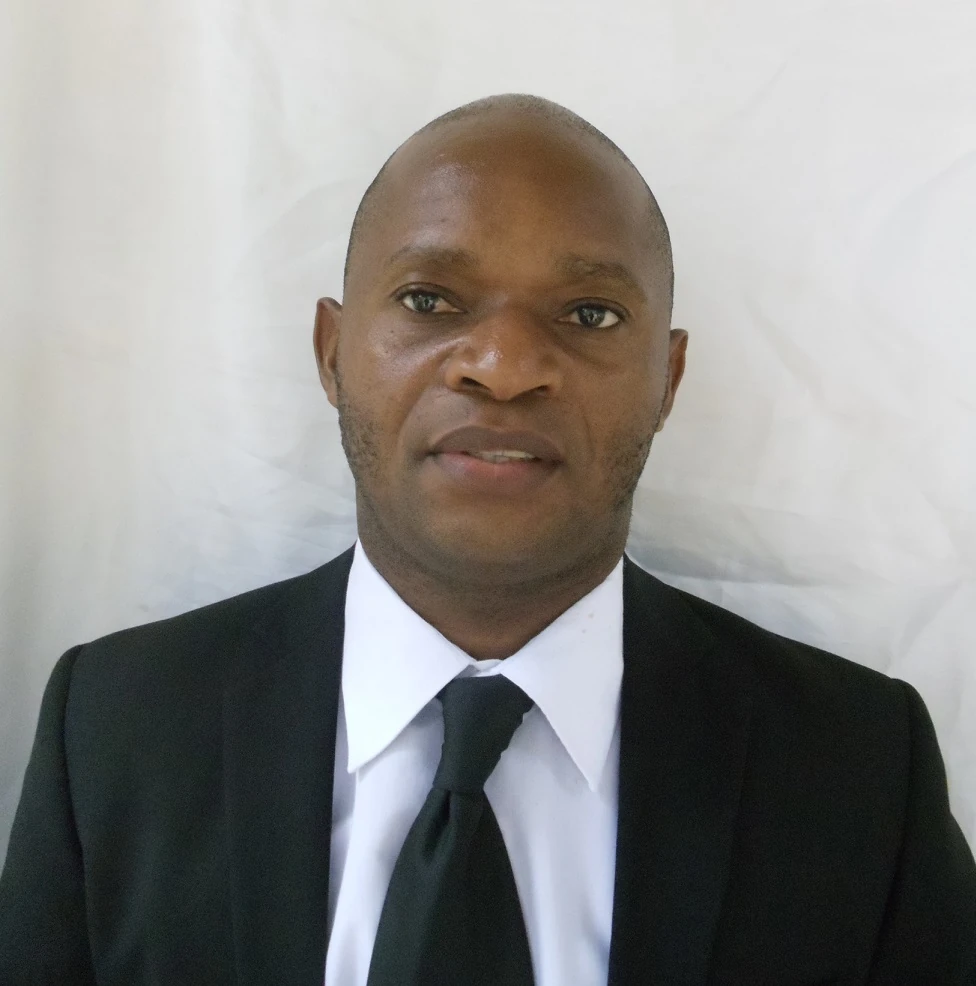
Frank George Mgungwe
Lecturer in Human Rights and Development studies at the University of Livingstonia, Malawi
Frank George Mgungwe is a dedicated rural development practitioner and a Lecturer in Human Rights and Development studies at the University of Livingstonia, Malawi. He holds a Master of Laws (LLM) and a Postgraduate Certificate in Laws from the University of London (UCL, London), achieved under the Canon Collins Law Scholarship Scheme. Frank also holds a Master of Arts in Education from the University of Nottingham, earned through the Commonwealth Scholarship program, and a Bachelor of Education from Mzuzu University. As a change maker, his work focuses on human rights and transformative rural development, with a commitment to empowering marginalized communities. Currently, Frank is a doctoral research student in Transformative Community Development, at Mzuzu University, Malawi.
Amdom Gebremedhin Berhe
Currently pursuing a Ph.D. and serving as an Assistant Professor at Mekelle University, a public institution.
My name is Amdom Gebremedhin Berhe, and I am from Ethiopia. I hold an M.Sc in Climate Change and Water Management from Ostfalia University of Applied Sciences in Germany, as well as a B.Sc in Agricultural Engineering from Debub University in Ethiopia. I am currently pursuing a Ph.D. and serving as an Assistant Professor at Mekelle University, a public institution. At the Institute of Climate and Society, my responsiblities includ teaching, conducting research, and engaging in community service. My research focuses on the intersection of climate, water, agriculture, and adaptation strategies. Over the years, I have a cquired substantial experience in teaching and research through active involvement in research projects and participation in both national and international short-term training programs. As part of my Ph.D. studies, I have published articles in peer-reviewed journals and contributed a report on spatio-temporal irrigation water requirements in Eastern Tigray, Nortehren Ethiopia, which was submitted to the Bayer Foundation fellowship as part of an award application. Additionally, my international travel experiences have broadened my cultural understanding and perspectives. I am confident in my strong communication and interpersonal skills.
Dr. Blasius Henry Ngayakamo
He specializes in developing eco-friendly building materials, including geopolymer earthen blocks, and valorizing waste for sustainable engineering solutions
Dr. Blasius Henry Ngayakamo is a materials scientist and educator, recognized for his innovative contributions to sustainable construction and STEM education. He specializes in developing eco-friendly building materials, including geopolymer earthen blocks, and valorizing waste for sustainable engineering solutions. With a career spanning academia and industry, Dr. Ngayakamo has led interdisciplinary research and mentored students to address climate resilience and sustainable construction materials.Dr. Ngayakamo earned his PhD in Materials Science and Engineering from the African University of Science and Technology, Nigeria, and holds advanced degrees in education and materials science. He has conducted research and taught globally, including at California Polytechnic State University, INTI International University, and the Fraunhofer Institute in Germany.His work is widely published in peer-reviewed journals, focusing on eco-friendly material innovations and waste valorization. Dr. Ngayakamo is committed to bridging the gap between research and real-world applications, fostering community-driven solutions to global sustainable construction materials challenges.

Mathew Svodziwa
Social Scientist with a profound research interest in Climate Change Adaptation in Rural Livelihoods, focusing on the intersection of environmental challenges and sustainable development practices
Mathew Svodziwa is a dedicated Social Scientist with a profound research interest in Climate Change Adaptation in Rural Livelihoods, focusing on the intersection of environmental challenges and sustainable development practices. His work emphasizes the development and implementation of strategies to enhance resilience among vulnerable communities, particularly in rural settings affected by climate variability. Dr. Svodziwa holds a Doctor of Philosophy (PhD) in Development Studies from the University of South Africa (UNISA), reflecting his expertise in examining complex socio-economic and environmental dynamics. He also holds a Master of Social Science in Development Studies from Lupane State University (LSU), which laid the foundation for his specialization in development-focused research. Additionally, he earned a Bachelor of Social Science (Special Hons) in Monitoring and Evaluation from LSU and a Bachelor of Arts (Hons) in War and Strategic Studies from the University of Zimbabwe (UZ), showcasing his multidisciplinary academic background and analytical capacity in both social development and strategic contexts. Dr. Svodziwa’s qualifications and research interests converge to position him as a thought leader in addressing rural livelihoods’ adaptation to climate change, combining rigorous academic training with practical insights into sustainable development.

Mr. Daniel Nyukuri Kwoba
Laboratory analyst
Daniel is a laboratory analyst with sixteen years of experience. He has a solid academic and professional background in Pharmacology and Toxicology at the University of Nairobi, Kenya. His research specialty intersects sustainability in drug discovery and development and climate change. His research interests research in natural products, toxicology, pharmacology, reproductive biology, and comparative physiology, food safety and drug analysis. He has contributed significantly to academic and practical research in his field, playing roles in training and mentoring interns and junior staff.

CHUKWU EMMANUEL OGWU
Chemical Laboratory/Environmental Analyst and Quality control manager
Chukwu Emmanuel Ogwu is an experienced and result-oriented Chemical Laboratory/Environmental Analyst and Quality control manager with experience in field sampling and analysis of hydrocarbon products, water and wastewater, soil and sediments and gaseous emissions using Hi- tech instruments. He is an expert in research, data collation, interpretation and technical report writing. His research interest is to understand the interactions and mechanism of actions of chemicals in the environmental using the Zebra fish embryo model. His research aims at using a high-content approach for effect-based monitoring with the zebrafish embryo model on complex mixtures in surface water, soil and sediment which he believes will help solve environmental challenges relating to chemicals. Emmanuel is a Nigerian and a PhD research candidate at the Helmholtz Centre for Environmental Research, UFZ, Leipzig, Germany. He is also skilled in the implementation of ISO/IEC 17025:2017 (General Requirements for the Competence of Testing and Calibration Laboratories), ISO 9001:2015 (Quality management system) and ISO 14001:2015 (Environmental Management System).
Albert Novas Somanje (PhD)
Zambian sustainability scientist, is an accomplished expert in sustainable agriculture, climate change adaptation, and rural development
Dr. Albert Novas Somanje, a Zambian sustainability scientist, is an accomplished expert in sustainable agriculture, climate change adaptation, and rural development. With a PhD in Sustainability Science from the United Nations University Institute for the Advanced Study of Sustainability (UNU-IAS) and the University of Tokyo, Dr. Somanje has devoted his career to addressing critical issues at the nexus of agriculture, climate, and development. Dr. Somanje’s academic journey began with a Bachelor of Science in Agriculture from the University of Zambia. He further specialized with a Master of Science in Climate Change and Development from the University of Cape Town, followed by additional certifications in project management, natural capital, and leadership from esteemed institutions like UC Davis and UNU-IAS. His academic rigor is matched by his practical experience, including key roles at Zambia’s Ministry of Agriculture, where he spearheaded sustainable agricultural projects and mainstreamed climate adaptation strategies across the country. Currently serving as Principal Agricultural Officer, Dr. Somanje coordinates national programs in sustainable crop production and collaborates with global and regional stakeholders such as UNDP, FAO, and WFP. His prior roles included Provincial Senior Agricultural Officer overseeing agricultural initiatives in Zambia’s southern province and Senior Agriculture Officer focusing on climate-resilient agricultural development programs and projects. A prolific researcher and consultant, Dr. Somanje has contributed to global conversations through publications on urban-rural linkages, conservation agriculture, and climate-smart farming. His work has been recognized with prestigious awards, including a DAAD Post-Doctoral Fellowship and a Japan Foundation PhD Scholarship. Driven by a vision for sustainable development, Dr. Somanje leverages his extensive expertise, collaborative spirit, and innovative solutions to transform agricultural systems and enhance resilience in Zambia and beyond.
Geteneh Haile Shoddo (PhD)
Currently serving as a Senior Associate Professor at Jigjiga University
Getaneh Haile Shoddo is a dedicated academic professional with over 15 years of experience in higher education within Ethiopia. Currently serving as a Senior Associate Professor at Jigjiga University since October 2008, Getaneh has made significant contributions to teaching and research. He is committed to fostering an engaging learning environment for students from diverse social and cultural backgrounds, utilizing effective teaching methods and strong communication skills. His responsibilities include course administration, mentoring students, and leading research projects, all while ensuring high standards of academic achievement.In addition to his teaching role, Getaneh has been actively involved in various research projects, focusing on critical areas such as climate change, land use, and environmental management. Notable projects include the “Local Histories of Climate Change in the Horn” and the UN Habitat’s Solid Waste Management Assessment, where he demonstrated his expertise in data analysis, community engagement, and policy advocacy. His ability to navigate complex research environments and collaborate with stakeholders has been instrumental in producing valuable insights that contribute to sustainable development in marginalized communities. Getaneh holds a PhD in Environmental Management from the University of South Africa and has published multiple research articles in reputable journals. His work emphasizes the importance of traditional knowledge and sustainable practices in addressing environmental challenges. Fluent in English, Afan Oromo, and Amharic, he is also engaged in community service initiatives aimed at raising awareness about climate change and waste management. With a strong commitment to academic excellence and community development, Getaneh continues to impact the educational and environmental landscape in Ethiopia.
Dr. Yunana Tanko
Senior lecturer in the department of physics kaduna state college of education gidan waya
Dr. Yunana Tanko was born in 1984 from a family of Mr Tanko Bawa. An origin of Birnin-Gwari local government area of kaduna state, Nigeria, A senior lecturer in the department of physics kaduna state college of education gidan waya. Graduated from federal University of technology minna Nigeria in 2012 with a B. Tech degree in Physics/Telecomminication. He obtained his M.Sc and PhD degree in solid state physics from Nigerian defence academy in 2019 and 2024. Dr Yunana Tanko is a reputable member of solar energy society of Nigeria and has published his research findings in reputable Foreign and International Journal in Renewable Journal. He is married with children.

Dr. Olasunkanmi Habeeb Okunola
Senior Research Associate at the United Nations University - Institute for Environment and Human Security (UNU-EHS)
Dr. Olasunkanmi Habeeb Okunola is a Senior Research Associate at the United Nations University - Institute for Environment and Human Security (UNU-EHS) in Bonn, Germany. An expert in disaster risk reduction and climate change adaptation, Dr. Okunola has over a decade of experience in research, policy development, and teaching. His work centers on advancing resilience planning through innovative approaches to adaptation, sustainability, and disaster risk reduction. He holds a Ph.D. in Urban and Regional Planning from Obafemi Awolowo University, Nigeria. Dr. Okunola has conducted extensive research and implemented projects on disaster risk governance and climate change adaptation in cities across the Global South and North. He has successfully led and managed high-impact initiatives, including Urban Resilience in 50 African Cities, Transformative Recovery for Minimizing Loss and Damage, Integrated Disaster Governance, Community Resilience to Climate Change Extreme Events, Cascading and Systemic Risks from Climate Extreme Events, and Social Cohesion and Inclusive Education in Informal Settlements. In his professional career, Dr. Okunola has collaborated extensively as a project manager, team leader, component lead, and chief reporting officer on initiatives supported by organizations such as the World Bank, Ford Foundation, International Development Research Centre (IDRC), and the German Academic Exchange Service (DAAD). His contributions have earned him prestigious scholarships and fellowships, including the DAAD Scholarship, Alexander von Humboldt Fellowship, and the Mary Fran Myers Scholarship. He has also published numerous scientific papers and fostered global collaborations with experts from Germany, England, Saudi Arabia, South Korea, Australia, Singapore, and India. Beyond academia, Dr. Okunola is a sought-after public affairs analyst. His insights on disaster risk reduction and climate resilience have been featured on leading platforms such as the London School of Economics, The Brookings Institution, and The Conversation. His expertise has been highlighted in major news outlets, including The New York Times, Financial Times, The Washington Post, and Al Jazeera. Additionally, he frequently contributes to international media such as Radio France Internationale (RFI), BBC, and Newzroom Afrika.
Amelework Kindihun
Environmental Specialist
Amelework Kindihun is a passionate and highly skilled Environmental Specialist with over nine years of professional experience in natural resource management, sustainable land practices, and climate resilience strategies. Born on June 21, 1991, in Ethiopia, she is currently based in Addis Ababa, dedicating her efforts to advancing environmental research and education. She holds a Master's degree in Natural Resource and Environmental Management from Addis Ababa University (2015-2017), a Bachelor's degree in Geography and Environmental Studies from Wollo University (2010-2012), and a Postgraduate Diploma in Teaching (PGDT) from Haromaya University (2012-2013). Throughout her career, she has made significant contributions to environmental studies, focusing on soil fertility, land consolidation, and climate-smart agriculture. Her Master's research explored farmers' perceptions of soil fertility management in Ethiopia's central highlands. She has participated in international projects, including serving as a Research Assistant for the University of Aberdeen's Biomass Reduction and Environmental Air study in Africa. As a Lecturer at Arsi University, she taught courses on agroforestry and farming systems while leading and facilitating projects related to sustainable land management and climate-smart practices, ensuring that project outcomes were community-focused and impactful. Her professional experience includes serving as a Research Assistant with the International Livestock Research Institute (ILRI), where she supervised data collection for climate-smart agriculture surveys across multiple Ethiopian regions. She has conducted critical research on land fragmentation and consolidation and collaborated with Addis Ababa University to assess the impact of biofortified staple crops on commercialization and production. Amelework is proficient in SPSS, STATA, GIS, and R, with expertise in planning, supervising, and reporting field research. She has strong interpersonal, negotiation, and organizational skills, instrumental in coordinating multidisciplinary teams and managing complex projects. Her fieldwork spans Oromia, Amhara, and Tigray regions, where she has engaged directly with local communities. She has participated in numerous workshops and seminars on climate-smart agriculture, land consolidation, and scientific research writing. Her contributions have been recognized through collaborations with organizations such as CIAT, GIZ, and IPSS. Her work not only advances scientific understanding but also supports communities in building climate resilience and improving livelihoods. She remains committed to using her expertise to drive sustainable environmental practices and positively impact the lives of those she works with.
Erick Juma Kashara
Freelance Journalist, Part Timer Lecturer at Rongo University, Maseno University and Kabianga University
I am Erick Juma Kashara 35 years old from Siaya County, Kenya. Currently, PhD student at Rongo University, Kenya pursuing Communication Studies. I graduated with my Master’s degree in Journalism and Media studies in 2022 and did my bachelor’s degree in Media Science both at Moi University, Eldoret, Kenya. I am a freelance Journalist, Part Timer Lecturer at Rongo University, Maseno University and Kabianga University, Communication expert and a researcher with over 6 years’ experience in media, communication and social science research, and a nose for research in digital media, climate change, science communication, agricultural communication, human rights, culture, health and development. I have proven track record in working as a lecturer, communication expert, journalist, and research in communication and journalism. As a young scholar, I have spent time working with farmers organization known as Kenya National Farmer Federation (KENAFF) to understand the community needs and challenges in regards to climate change and agriculture and climate smart adaptations. Also to enhance my journalistic and research skills in the field of science communication specifically in agricultural and climate change communication. The farmer’s organization has given me an opportunity, where I daily interact with and help develop solutions to developmental challenges such as poverty, environmental pollution, health and education.

KOKOU Kokouvi Bruno
Researcher in Botany
Researcher in Botany, Plant Ecology, and Climate Change Mzuzu University, Malawi African Centre of Excellence in Neglected and Underutilised Biodiversity PhD Student second year Kokou Kokouvi Bruno is a dedicated researcher specializing in plant systematics, ethnobotany, plant genetic resource valorization, and sustainable environmental management. Currently based in Malawi at Mzuzu University, my research focuses on the impacts of climate change on biodiversity, plant species conservation, and improving the livelihoods of local communities.Am, presently conducting an in-depth study on Uapaca kirkiana Müll. Arg., a critical species for local populations in Malawi. This research investigates the adaptive responses of the species to climate change and the anthropogenic threats impacting its natural regeneration and sustainable utilization. His work aims to provide innovative strategies for forest resource conservation and management in . In addition, I published many scientifically articles (15) in different area in Africa. My contributions also extend to sustainable ecosystem management, as demonstrated by my work on ecosystem services in the Hann Forest and Zoological Park in Dakar, Senegal.With a strong background in plant ecology, species diversity, forest landscape restoration, and natural resource management, i combines scientific rigor with a commitment to sustainable solutions to address contemporary environmental challenges.

Ngone Mirimi
PhD candidate in Development Economics and serves as the Country Director for Future Africa International
Ngone Mirimi is an accomplished development economist, researcher, and advocate for youth empowerment across Africa. He is currently a PhD candidate in Development Economics and serves as the Country Director for Future Africa International, a youth-led organization committed to advancing Climate Action, Entrepreneurship, and Leadership Development in alignment with the UN’s Sustainable Development Goals and the African Union’s Agenda 2063. Ngone’s extensive career encompasses roles in marketing, public relations, stakeholder engagement, and environmental sustainability across Southern Africa and the UK. He has worked in the Civil society, private sector and government including spearheading impactful projects, and youth-driven policy engagement on the African Continental Free Trade Area (AfCFTA). Ngone is also a member of the Independent Youth Advisory Council on AfCFTA, a contributor to the International Science Reserve House, and a proponent of ethical leadership through various fellowship programs. Dedicated to connecting economic policies with climate action and fostering Pan-African collaboration, Ngone leverages his academic expertise and practical experience to drive meaningful change in community development and governance.
AROUNA ASSOUMA
Agricultural Economist
Arouna ASSOUMA is an Agricultural Economist with a Ph.D. in Natural Resource Economics. Dr. Arouna ASSOUMA holds a Master’s Degree in Agricultural Economics. He has over ten years of experience developing projects, designing development, climate change, and the Impact evaluation of projects/programs. He also works as a climate change mitigation project advisor in Benin, providing meteorology information to smallholders. Dr. ASSOUMA is a member of AfricClimActiv Research project for climate change.Dr. Arouna ASSOUMA has experience as a Business and Digital Coach over 5 years supporting Small and Medium Enterprises. Dr. ASSOUMA is a data scientist. He conducts data collection, data analysis, and reports. He also monitors and evaluates projects/programs. He masters data collection and analysis tools such as Kobotoolbox, R, Stata, SPSS, and Power BI very well. Data analysis methods such as linear regression, logit, probit, probit, propensity score matching, and Best-Worst Scaling are often used to reach his goal.His thesis research topic is Agribusiness Clusters’ impact evaluation on performance economics. Given this topic and his professional experiences, Dr. ASSOUMA has a solid background in impact evaluation and climate change in the Agricultural field. Dr. ASSOUMA has a wide range of knowledge in several fields, including Agribusiness Clusters, Climate change, environment economics, agro-pastoral economy, marketing circuits, agricultural value chains, SME Loop business coaching, and business plan writing for entrepreneurs.
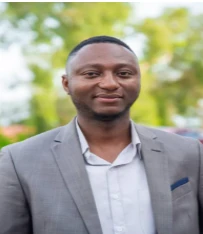
Jones Osei Ebenezer
Seasoned professional with years of experience in developing, implementing, managing, monitoring, evaluating, and coordinating various developmental interventions and gender-related programs
Jones, Osei Ebenezer is a seasoned professional with years of experience in developing, implementing, managing, monitoring, evaluating, and coordinating various developmental interventions and gender-related programs, with a strong background in social, educational, and agricultural development. He has worked with government, NGOs, and the private sector to strengthen demand and supply linkages, create enabling environments, and improve the living conditions of communities and vulnerable populations. With a robust educational foundation, including a Practical Proficiency Certificate in Agriculture, NACVET Certificate in General Agriculture, Diploma in Education, Bachelor of General Agricultural Science, MPhil Agriculture Extension, and Ph.D. in Agriculture Extension, Jones has established himself as an expert in his field. He serves 4-H Ghana as the Director of Programs. He has previously held roles such as Senior Research Associate for the Institute for Green Growth Solutions, Graduate Entrepreneur Programs Manager for Self Help International, National Project Coordinator of 4-Ghana, and Farm Technical and Commercial Advisor for Prepeez Company Ltd, Ghana. As an agricultural extension agent and advocate for Conservation Agriculture, Jones has extensive experience in farmer education, consultation, and incubation of agricultural and non-agricultural businesses. He has honed his skills as a prolific salesman for agribusiness industries. Additionally, his experience as a professional teacher, assistant headmaster, and Junior Registrar for Mfantseman Institute of Technology has equipped him with the ability to manage, train, facilitate community mobilization, and build capacity within the knowledge, skill, attitude, and aspiration domains of human development, making him a versatile and effective professional in his field.

Jones Osei Ebenezer
Geomatic Engineering and Geospatial Information Systems
Jones, Osei Ebenezer is a seasoned professional with years of experience in developing, implementing, managing, monitoring, evaluating, and coordinating various developmental interventions and gender-related programs, with a strong background in social, educational, and agricultural development. He has worked with government, NGOs, and the private sector to strengthen demand and supply linkages, create enabling environments, and improve the living conditions of communities and vulnerable populations. With a robust educational foundation, including a Practical Proficiency Certificate in Agriculture, NACVET Certificate in General Agriculture, Diploma in Education, Bachelor of General Agricultural Science, MPhil Agriculture Extension, and Ph.D. in Agriculture Extension, Jones has established himself as an expert in his field. He serves 4-H Ghana as the Director of Programs. He has previously held roles such as Senior Research Associate for the Institute for Green Growth Solutions, Graduate Entrepreneur Programs Manager for Self Help International, National Project Coordinator of 4-Ghana, and Farm Technical and Commercial Advisor for Prepeez Company Ltd, Ghana. As an agricultural extension agent and advocate for Conservation Agriculture, Jones has extensive experience in farmer education, consultation, and incubation of agricultural and non-agricultural businesses. He has honed his skills as a prolific salesman for agribusiness industries. Additionally, his experience as a professional teacher, assistant headmaster, and Junior Registrar for Mfantseman Institute of Technology has equipped him with the ability to manage, train, facilitate community mobilization, and build capacity within the knowledge, skill, attitude, and aspiration domains of human development, making him a versatile and effective professional in his field.
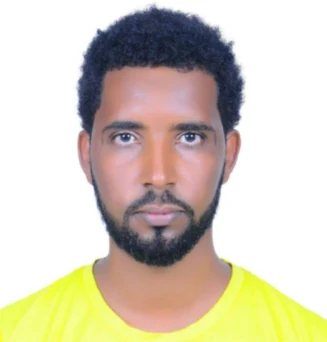
Aschale Getnet Alemu
Mechanical engineer
Aschale Getnet Alemu, born on June 2, 1993, in Ethiopia, is a dedicated mechanical engineer with a strong academic background and extensive experience in teaching, research, and community service. He is currently a lecturer at the Bahir Dar Institute of Technology, where he has been contributing to the field since June 2019. Previously, he served as an Assistant Lecturer from October 2016 to June 2019. Aschale holds both a Master’s degree in Thermal Engineering and a Bachelor’s degree in Mechanical Engineering, both from Adama Science and Technology University, achieving impressive GPAs of 3.95/4 and 3.89/4, respectively. His academic excellence earned him the Rank Holder Award for both degrees, reflecting his commitment to his studies and his ability to grasp complex engineering concepts. Fluent in English and Amharic, Aschale is proficient in various software tools, including Microsoft Office, MATLAB, and LaTeX. He has also gained additional training in computer maintenance and participated in workshops focused on entrepreneurship and intelligent machine learning. Aschale is a passionate researcher, actively engaged in projects that explore renewable energy solutions. His work includes assessing solar energy potential in Bahir Dar City and evaluating innovative drying techniques for agricultural products. He has published several papers in reputable journals, showcasing his contributions to the field of energy engineering. In addition to his teaching and research activities, Aschale is committed to community service, volunteering to teach design software and mentoring students in engineering principles. His dedication has been recognized with various awards, including the Bruh Ethiopia 2024 Innovative Business Idea Award and the BIC Ethiopia Project Sandbox Grant Award for his startup, Ahadu Solar Ice Maker, which focuses on preserving perishable agricultural produce. Aschale’s professional journey is characterized by a strong motivation to drive positive change within his community and the broader field of engineering. He remains committed to furthering his education and expertise, with aspirations to contribute significantly to sustainable engineering solutions in Ethiopia and beyond.
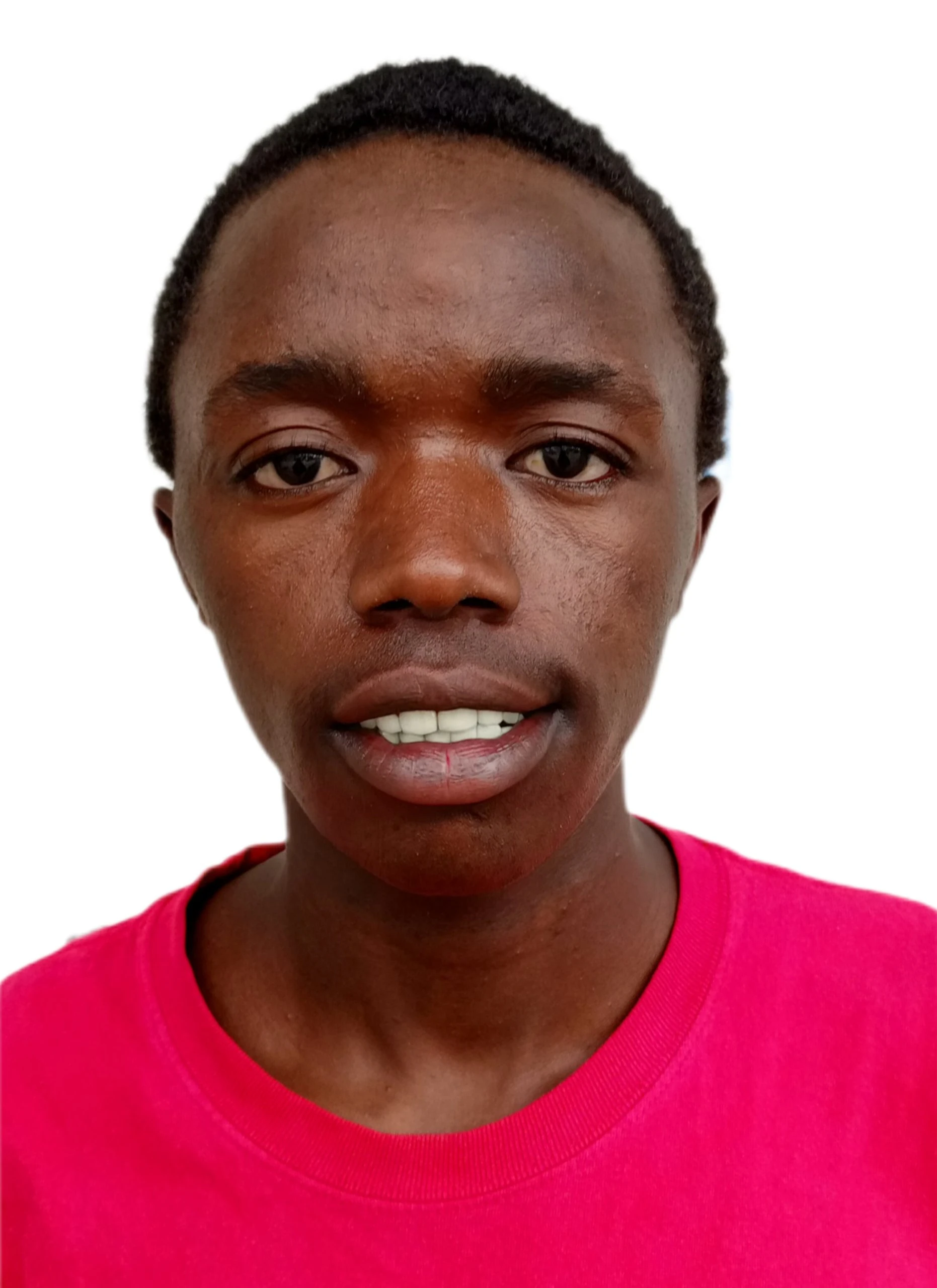
GEOFFREY KIMOTHO
Climate researcher
I am Geoffrey Kimotho, a dedicated climate researcher committed to addressing the challenges posed by climate change in rural East Africa. With a Bachelor’s degree in Social Work from Kenyatta University, I focus on climate adaptation, governance and sustainability. Throughout my career, I have led several community-based research projects aimed at enhancing climate adaptation strategies. My work explores how rural communities can effectively respond to climate change impacts and engage in sustainable practices. I am passionate about researching the intersection of climate change, particularly in vulnerable areas to inform policies that promote accountability and long-term resilience. In addition to conducting research, I have managed AU-funded projects that empower grassroots organizations with the knowledge and resources needed to address climate change. I facilitate capacity-building initiatives designed to equip communities with practical tools for climate adaptation, ensuring that their voices are heard in decision making processes. My expertise in research, data analysis and project management enables me to contribute valuable insights into climate solutions that support vulnerable communities. I am committed to advancing climate justice by generating research that shapes effective policies and strategies for climate adaptation. My goal is to continue advocating for climate resilience and sustainable development, ensuring that marginalized communities are equipped to thrive despite the ongoing challenges posed by climate change.
Simbarashe Crispen Kanyimo
Professional with over 15 years of experience in child protection, education
Simbarashe Crispen Kanyimo is a dedicated professional with over 15 years of experience in child protection, education, health program management, and research within humanitarian contexts. He has a proven history of enhancing service delivery for marginalized communities through working for organisations like the Norwegian Refugee Council and Zimbabwe National Family Planning Council Simbarashe is a researcher at the Child Rights Research Centre at Africa University and is in the final year of his Doctor of Philosophy in Child Rights at the same institution. His doctoral research focuses on the social and cultural determinants of child sexual abuse in Tongogara Refugee Settlement, Zimbabwe. Utilizing a mixed-methods approach, his work aims to develop targeted interventions and policies to protect refugee children, grounded in child rights and intersectionality frameworks.Simbarashe has participated in several impactful research projects. Notable examples include: The National Study on the Prevalence of School-Based Violence in Zimbabwe, conducted in collaboration with the Academic Research Centre and funded by Porticus ; A study on the Motivators and Barriers to Accessing Essential Health Care Services during the COVID-19 Pandemic in Zimbabwe, funded by UNICEF and The Rapid Assessment of the Impact of COVID-19 on Child Labour, Violence Against Children (VAC), and Gender-Based Violence (GBV)in Zimbabwe , also funded by UNICEF.Simbarashe was part of the award-winning team that received the Research Council of Zimbabwe Presidential Community Innovation Award in 2024 for the project titled National Study on the Behavioural Uptake of the COVID-19 Vaccine, Routine Immunization, NCDs, and Maternal, Newborn, Child, and Adolescent Health and Nutrition Services in Zimbabwe in the Aftermath of the Pandemic.Simbarashe also serves as the Executive Programs Coordinator at Tariro Trust, a role he has held since 2016. In this capacity, he leads collaborative initiatives in education, health, and child protection, managing annual budgets of up to $100,000 to support orphaned and vulnerable girls in Harare’s high-density suburbs. Under his leadership, Tariro has doubled its project reach, facilitated tertiary education for over a significant number of vulnerable girl students annually, and secured key partnerships to advance girls’ education and economic empowerment.Previously, Simbarashe served as an Education Program Officer with the Norwegian Refugee Council, where he contributed to youth empowerment through vocational skills training, education in emergencies, and inclusive programming. He also played a key role in contextualizing the NRC’s flagship Youth Education Pack, transforming it into a community-based skills outreach program that impacted thousands of displaced youth.Simbarashe holds a Master of Science in Child Rights and Childhood Studies from Africa University and a Bachelor of Arts in English and Communication Studies from Midlands State University. He has earned several professional certifications in areas such as Trauma Counselling, Systemic Family Counselling, International Refugee Law, Internal Displacement, and Protection in Urban Settings.An accomplished researcher and advocate, Simbarashe has published on children’s rights, with a focus on legislative and governance frameworks in artisanal mining communities and feminist analysis of the African Mining Vision. His expertise, coupled with his commitment to evidence-based solutions, continues to drive impactful programs and policy reform for the most vulnerable populations
BRIGHTON MOYO
ESG and Safety Specialist | Sustainability & Climate Change Advocate | Project Leader
BRIGHTON MOYO ESG and Safety Specialist | Sustainability & Climate Change Advocate | Project Leader Professional Summary With 17 years of experience, my career has been driven by a passion for promoting sustainable practices, mitigating climate change, and fostering community engagement. I have successfully led numerous environmental and health, safety, and environmental quality projects across diverse industries, delivering measurable outcomes. Through strategic collaboration with stakeholders, regulatory authorities, and communities, I have designed and executed programs that align global environmental standards with organizational goals. My technical expertise and commitment to advocacy have earned recognition, including the Cleanup Campaign Trophy and multiple ISO certifications. Key Achievements ∙ Conducted over two comprehensive EIAs in partnership with EMA, ensuring full compliance with global environmental standards. ∙ Trained and mentored 300+ employees and community members on sustainable practices, achieving 100% engagement. ∙ Spearheaded awareness campaigns that reached over 1,000 artisanal miners, educating them on the environmental effects of mercury and cyanide, safe mining methods, and land rehabilitation. ∙ Advocated for climate action through community outreach and digital platforms, influencing local and global audiences. ∙ Championed initiatives that earned recognition, such as a Clean-up Campaign Trophy, reflecting my commitment to innovative environmental practices and community engagement. Core Skills ∙ Environmental Impact Assessments (EIA) ∙ Waste Management and Land Rehabilitation ∙ Behaviour Coaching and Mentoring ∙ Policy Advocacy and Stakeholder Collaboration ∙ Climate Change Mitigation Strategies ∙ Data Analysis ∙ Interviewing ∙ Research ∙ Training and Capacity Development Education ∙ Diploma in Construction Safety - Alison Institute, Ireland, 2022 ∙ Diploma in Project Management - Alison Institute, Ireland, 2019 ∙ Diploma in Health and Safety - Brighton School of Business and Management, UK, 2008 ∙ BSc in Geography and Environmental Studies - Zimbabwe Open University, 2007 ∙ Diploma in Training Management - IPMZ, Zimbabwe, 2006 Certifications ∙ Introduction to Sustainable Finance for Climate and Energy - UNDP, 2024 ∙ ISO 14001:2015 EMS Awareness - Knights Safety Academy, 2022 ∙ Monitoring, Evaluation, Accountability, and Learning - Humanitarian Leadership Academy, 2021 ∙ Social and Behaviour Change Program Monitoring - Global Health Learning Center, 2017 Key Projects ∙ Zimplats Power Expansion (330KV & 132KV) - May 2023 to Sept 2024 ∙ Mimosa Plant Optimization - March 2022 to April 2023 ∙ KNTB-USAID Funded Project - May 2018 to Feb 2022 Research Project ∙ Medical Waste Management Practices at Gweru Provincial Hospital - 2007 Research Project Interests ∙ Climate Change Adaptation ∙ Community-Based Indigenous Knowledge Systems Professional Impact I am passionate about bridging the gap between policy and practice to create a sustainable future. By leveraging my technical expertise, leadership skills, and commitment to education, I strive to develop systems that protect the environment while fostering economic and social resilience.

Moses Mutua Mutiso
Currently serve as a Lecturer in the Department of Sociology, Psychology, and Anthropology at Moi University
I am a seasoned academic and researcher with over 17 years of experience in higher education and more than 20 years in conducting empirical studies. Holding a PhD in Sociology, I currently serve as a Lecturer in the Department of Sociology, Psychology, and Anthropology at Moi University. My work primarily focuses on understanding climate change and its intersections with gender dynamics, social justice, and sustainable development. I have developed customized research methodologies that integrate gender-sensitive frameworks and participatory approaches to address complex social issues. My research portfolio includes studies that examine the impacts of climate variability on vulnerable communities, as well as investigations into how environmental challenges influence family cohesion and urban resilience. Notably, I have been actively involved in research that explores the multifaceted effects of climate change, from influencing livelihood patterns to impacting community health and food security. In addition to my academic pursuits, I bring substantial expertise in monitoring and evaluation (M&E), data quality assurance, and stakeholder engagement. I have successfully managed interdisciplinary projects and mentored teams to apply innovative solutions in both academic and community contexts. Through my work, I strive to bridge the gap between rigorous academic research and actionable policy recommendations that promote accountability and sustainable climate adaptation. I am eager to leverage my extensive experience and commitment to social equity to drive positive change and advance understanding of climate change impacts on marginalized communities.
Ednah Dindi
Geospatial analyst
Ednah Dindi is a geospatial analyst driven by a passion for understanding and mitigating the impacts of climate change. With a diverse background encompassing agriculture, business analysis, natural resource management, and public health, Ednah leverages cutting-edge technologies such as Geographic Information Systems (GIS), Artificial Intelligence (AI), and remote sensing to develop sustainable solutions. Her current work explores the complex interrelationship between climate change and food production, examining how changes in the environment affect the availability of resources and, ultimately, human health. Ednah wants to use her work to offer data-driven insights that help guide the creation and application of practices and policies that are climate resilient. Ednah works to promote a more sustainable and just society, with an emphasis on raising agricultural output and boosting public health in communities that are at risk.

Chris Miyinzi Mwungu
Postdoctoral Fellow at the Alliance of Bioversity International and CIAT, specializing in agricultural economics, data analysis, and spatial econometrics
Chris Miyinzi Mwungu is a Postdoctoral Fellow at the Alliance of Bioversity International and CIAT, specializing in agricultural economics, data analysis, and spatial econometrics. He holds a Ph.D. in Economics from the University of Tasmania, Australia, and a Master of Science in Agricultural Economics and Resource Management from Moi University, Kenya. Chris's research focuses on climate adaptation, financial inclusion, and agricultural policy, with a particular interest in leveraging digital tools to enhance smallholder resilience. He has extensive experience in impact evaluation, survey design, and econometric modeling, contributing to evidence-based policy interventions across various African contexts. Passionate about using data-driven insights to address pressing agricultural challenges, Chris is committed to supporting sustainable development in rural communities through innovative and practical solutions.
Nuwahereza Nelson
Ph.D. candidate at the Centre for Environmental Management and Control, University of Nigeria, Nsukka
Nuwahereza Nelson is a Ph.D. candidate at the Centre for Environmental Management and Control, University of Nigeria, Nsukka. He is the recipient of Homegrown Clean Energy (HCE) Solutions Intra-Africa Mobility Scholarship. His research focuses on household cooking decarbonization and energy security, particularly exploring adoption of clean cooking bioenergy technologies and wasteland potential for bioenergy crop production and their potential contributions to national climate goals. His academic foundation includes a Master's degree in Forestry and Biodiversity Management and a Bachelor's degree in Conservation Forestry and Production Technology, both obtained from Makerere University. He has also earned certifications from the UN REDD+ Academy and a collaborative program in Plant Conservation conducted by Oslo University and Makerere University. Nelson has over nine years of professional experience in forestry governance, REDD+ and carbon market. Before going back to school, Nelson worked as a Forest Officer at Uganda's Ministry of Water and Environment, in the forestry sector support department where he has been an integral part of the National REDD+ Secretariat since August 2021. In this capacity, he has engaged with stakeholders in REDD+ projects, contributed to the development of subnational REDD+ idea notes, and assessed project proposals. His efforts have extended to monitoring safeguards compliance and playing a pivotal role in registering Uganda's REDD+ program under ART-TREES, with a focus on safeguards monitoring and reporting. In 2023, Nelson co-coordinated the development of Uganda's International Carbon Market Regulations and Implementation Guidelines mainly through soliciting REDD+ stakeholders' input. He also participated in ecosystem-based adaptation and forest landscape restoration project development and implementation, forestry sector policy and regulation formulation and reviews, and collaborative forest management monitoring in Uganda. Beyond his work with the government of Uganda, Nelson founded and served as Executive Director of the Safe Space Network from March 2019 to October 2024. Under his leadership, the organization empowered youth and local communities to champion sustainable and inclusive development. His advocacy extended to politics, where he contested as a parliamentary candidate for Ruhinda North Constituency in the 2021 Uganda elections. Earlier in his career, he served as Program Manager for Universal Love Alliance, writing grant proposals and overseeing educational workshops on human rights.
Mwewa Timothy
A young technocrat, environmentalist, and author
Mwewa Timothy is a young technocrat, environmentalist, and author known for his groundbreaking contributions to the realms of innovation and sustainability. With an unwavering passion for harnessing technology to drive sustainable development and improve the human condition, Mwewa has carved a distinctive niche for himself as a visionary thought leader and change agent. Throughout his academic journey, Mwewa has consistently demonstrated exceptional aptitude and enthusiasm for learning, earning him numerous accolades and recognition. His current pursuit of a Bachelor's degree in Environment and Climate Change (final year) is a testament to his commitment to deepening his understanding of the intricate relationships between human societies and the natural environment. As a prolific author, Mwewa's literary endeavors have been met with critical acclaim and recognition. His seminal book, "At The Edge of Technology," has been acknowledged by the Zambian government, underscoring his thought leadership and expertise in the field of technology and innovation. This milestone not only highlights Mwewa's ability to communicate complex ideas effectively but also demonstrates his dedication to sharing knowledge and inspiring others. As a technocrat, Mwewa has been at the forefront of leveraging technology to drive innovation, entrepreneurship, and sustainable development. His startup, Young Minds, is a paradigmatic example of his vision for empowering young people to become active participants in the technological revolution. Through Young Minds, Mwewa has provided a platform for young people to develop their skills in technology and innovation, thereby enhancing their employability and contributing to the growth of the digital economy. Mwewa Timothy has pioneered a review in blockchain technology with notable experts from Ethiopia and India which has led to the facilitation of a research paper on the application of blockchain in enhancing the agriculture supply chain. This research has far-reaching implications for improving the efficiency, transparency, and sustainability of agricultural systems, particularly in Africa. By exploring the potential of blockchain technology in agriculture, Mwewa has demonstrated his commitment to using technology to drive sustainable development and improve the lives of people in Africa. Mwewa's commitment to environmentalism and sustainability is evident in his academic pursuits and literary works. As an environmentalist, he recognizes the intricate relationships between human societies and the natural environment and is dedicated to developing innovative solutions to pressing environmental challenges. His participation in various environmental initiatives and forums has not only deepened his understanding of the complex issues surrounding sustainability but also equipped him with the knowledge and skills necessary to develop effective strategies for mitigating the impacts of climate change, environmental degradation, and pollution. Mwewa's academic and professional pursuits have been complemented by various certifications and specializations. Notably, he has completed the Climate Law and Governance Specialization Cohort-2022, which has equipped him with a deep understanding of the legal and governance frameworks surrounding climate change. Additionally, Mwewa has completed certifications in Sustainable Development and the Law, as well as Economics of Money and Banking. These certifications have not only broadened his knowledge base but also enhanced his ability to analyze complex issues and develop effective solutions. As a keynote speaker, Mwewa has shared his insights and expertise with diverse audiences, inspiring and motivating them to become active participants in the technological revolution and sustainability movement. His exceptional communication skills, coupled with his passion for innovation and sustainability, have made him a sought-after speaker locally. Through his public engagements, Mwewa has been able to convey the importance of technology, innovation, and sustainability in driving human progress and improving the quality of life for people around the world. Mwewa's commitment to Pan-Africanism is evident in his writings and public engagements. As a Pan-Africanist, he recognizes the importance of African unity, self-determination, and empowerment in shaping the continent's future. Mwewa's work is informed by a deep understanding of the complex issues surrounding Africa's development, which has equipped him with the knowledge and skills necessary to develop effective strategies for promoting sustainable development and economic growth in Africa. Mwewa's expertise in political and economic analysis has also led to his participation in various forums and initiatives, including the Zambia National Budget Review and Recommendation. This experience has not only deepened his understanding of the complex issues surrounding economic development and governance but also equipped him with the knowledge and skills necessary to develop effective strategies for promoting economic growth and development in Africa. Throughout his journey, Mwewa has demonstrated exceptional leadership, vision, and commitment to driving positive change in Africa and beyond. His work serves as a testament to the power of innovation, sustainability, and Pan-Africanism in shaping a brighter future for all. As a devoted polymath, Mwewa continues to inspire and motivate others to join him in his quest to harness technology, innovation, and sustainability to drive human progress and improve the quality of life for people around the world.
Tizgowere Msiska
Early-career researcher in governance, peacebuilding, gender and women empowerment, climate and policy, and the informal sector
Tizgowere Msiska is a Malawian early-career researcher in governance, peacebuilding, gender and women empowerment, climate and policy, and the informal sector. He was born on the 6th of October 1987. His professional research career started when he joined a local non-governmental organization known as Revolution Human Aid and Transparency Initiative (REHAAT) in 2015 as a volunteer Projects Coordinator. He is the current leader of the same organization. He has a keen interest in integrating research with policy. He is a human rights activist and researcher. He holds a bachelor’s degree in Public Administration from the University of Malawi and a Master of Business Administration from Amity University Online. He has co-authored two research papers: 'How Gender Norms Contribute to Gender-based Violence in the Workplace in Malawi' (2021) and 'Resolving Tax Disputes: Market Vendors and Councils in Malawi' (2024).
Dr. Ferede Abuye Jeldu
Distinguished researcher and academic with a profound passion for climate change, bioenergy development, and forestry
Dr. Ferede Abuye Jeldu is a distinguished researcher and academic with a profound passion for climate change, bioenergy development, and forestry. Holding a PhD in Climate Change and Bioenergy Development from Hawassa University, a Master’s degree in Environmental Science from Ambo University, and a Bachelor’s degree in Forest Management and Utilization from Hawassa University, Dr. Ferede’s academic background is as impressive as it is diverse. With a wealth of professional experience in academia, research, and practical forestry roles, Dr. Ferede has cemented his reputation as a leading expert in the field. As a lecturer and head of the Department of Forestry at Mettu University and Assosa University, he has shared his expertise with the next generation of environmental scientists. Dr. Ferede’s commitment to environmental education is evident in his leadership of training programs for experts and local farmers on climate variability and environmental impact assessment. Supported by prestigious fellowships and grants, including the IPCC 6th Round Scholarships Programme Award and the African Forest Forum (AFF) Research Fellowship fund, Dr. Ferede is dedicated to advancing knowledge in climate change and sustainable forestry. He also received a Certificate of service from African Forest Forum (AFF) in Nairobi, Kenya for participating in a workshop on forest and tree-based ecosystem services for socio-ecological resilience to climate change in Africa, as well as completing a training course on technical writing and publishing scientific papers organized by Sokoine University of Agriculture in partnership with AFF. His expertise in collecting and analyzing environmental data, conducting forest inventory assessments, and utilizing statistical software showcases his technical acumen in the field. Dr. Ferede’s research contributions, publications, and training initiatives underscore his commitment to creating a greener, more sustainable future for generations to come.
Dr. Pamela R.N. Kaithuru
Registered Psychologist
Dr. Pamela Kaithur, a Registered Psychologist, is the President of the International Society of Substance Use Prevention and Treatment Professionals (ISSUP Kenya Chapter), meteorological staff at the Kenya Meteorological Department, and an Instructor and Researcher at the Institute for Meteorological Training and Research - World Meteorological Organization Regional Training Centre (IMTR-WMO RTC Nairobi-Kenya) for English-speaking Africa. She also serves as a Supervisor for the International Peace Support Training Centre Post Graduate School, Consulting Psychologist for the African Coalition of Communities Responsive to Climate Change (ACCRCC), member of the EA Anticipatory Action Working Group on climate change, and member of the International Coalition of Climate Action in Prevention Science (ICCAPS). Dr. Pamela is a Mental Health professional, an Internationally Certified Addiction Professional, author, trainer, and researcher with over 20 years of experience in the workplace in HIV mainstreaming, alcohol and drug abuse prevention, mental health, psychological wellness, and climate change. She is a trained addiction counselor, supervisor, and Trainer of Trainers, as well as a social influencer and champion in mental health, climate change, and drug abuse prevention. She has expertise in public workplace management, policy development, and program implementation. Dr. Pamela holds a Doctoral Degree in Counseling Psychology from the Catholic University of Eastern Africa, a Master's Degree from Mount Kenya University, and a Diploma in Addiction Counseling and Treatment from Support for Addiction Prevention and Treatment in Africa.
Kindineh Sisay Melaku
Lecturer and Researcher at Haramaya University, Ethiopia,
Kindineh Sisay Melaku is a Lecturer and Researcher at Haramaya University, Ethiopia, with a strong focus on agricultural economics, climate adaptation, and sustainable development. He holds an MSc in Agricultural and Applied Economics, earned through a joint program between Haramaya University and the University of Pretoria, and a BSc in Agribusiness and Value Chain Management, both completed with very great distinction. He has taught several courses for Agricultural Economics and Agribusiness students, and supervised several undergraduate researches. He has also published numerous articles in peer-reviewed journals by renowned publishers such as Elsevier, Taylor & Francis, and Wiley. His research covers impact evaluation, productivity, climate change adaptation and resilience, sustainability, agricultural policy, food and nutrition security, natural resource valuation, and sustainable agricultural practices, utilizing advanced econometric modelling techniques. As a principal investigator in multiple projects, he has led impactful studies addressing productivity, climate adaptation, and food security challenges in Ethiopia. His findings have been disseminated through high-ranking international journals and global conferences. A dedicated mentor and educator, Kindineh is passionate about interdisciplinary collaboration and bridging the gap between research and policy to address pressing global challenges, contributing significantly to sustainable development and resilience-building initiatives across Africa.
EMMANUEL GICHURU
A visionary leader and entrepreneur renowned for his notable contributions to Environmental Resource Management, technology and sustainable development
Emmanuel Gichuru is renowned for his notable contributions to Environmental Resource Management, technology and sustainable development. Guided by insatiable curiosity and determination, He has formative years, becoming a leader at the intersection of environmental stewardship and technological innovation. Academic Pursuits: Emmanuel has a Bachelor of Technology in Environmental Resource Management from The Technical University of Kenya and a Masters of Environmental Studies in Climate Change and Sustainability from Kenyatta University. After completing his education, Emmanuel is the Founder of Eco-Group, an Environmental Consultancy firm in Nairobi, Kenya, a startup focused on developing innovative solutions for the environmental sector. His companys flagship products and services include Environmental Research, Environmental Education and Awareness, Environmental and Social Impact Assessment reporting, Ecosystem Restoration, Sustainability Reporting and Environmental Resource Management. Environmental and Social Impact: Emmanuels commitment to environmental and social responsibility led him to initiate various environmental projects aimed at promoting education and climate action amongst youth and communities. This includes the CIFOR- ICRAF Regreening Africa Project in developing the Youth Engagement Strategy and the UNEP Pro-environmental Youth Engagement Toolkit. He became a sought-after speaker at international conferences, sharing his insights on the intersection of technology, sustainability and social impact. His research paper “Climate Change Education for Primary Schools in Kenya” was recognized in the 12th World Environmental Education Congress in Abu Dhabi, United Arab Emirates. Similarly, he was also a key presenter at the Best Diplomats conference, presenting on “Advocacy for Empowering Youth in Kenya to Lead Transformational Disaster Risk Reduction Efforts, Fostering Resilience in Rapidly Growing Megacitie
Dr. Wondimu Kebede
Currently an Assistant Professor at Wachemo University, Ethiopia
Dr. Wondimu Kebede holds a PhD in Water Management from the Africa Center of Excellence for Water Management at Addis Ababa University, Ethiopia. He has multidisciplinary experience gained from working in academia, industry, and government sectors in Ethiopia. He is currently an Assistant Professor at Wachemo University, Ethiopia. His research focuses on sustainable development, environmental management, water management, and the development of innovative technologies for removing emerging contaminants from water. Previously, he received a Finnish National Agency for Education (EDUFI Fellowship) grant in 2023 and worked as a visiting researcher at LUT University in Finland for six months. Dr. Wondimu has published several papers in high-ranking academic journals and currently serves as a Consulting Editor for the Advances in Bamboo Science journal.
Dr. Peter M. Eze
Senior Lecturer in the Department of Environmental Health Science at Nnamdi Azikiwe University, Nigeria
Dr. Peter M. Eze is a Fellow at ARIN and Senior Lecturer in the Department of Environmental Health Science at Nnamdi Azikiwe University, Nigeria. He holds a PhD in Pharmaceutical Microbiology and Biotechnology, with over a decade of research experience in microbiology, pharmacology, and natural products drug discovery. His work focuses on sustainable methods to improve human, animal, and environmental health. Dr. Eze has published widely, presented at international conferences, and received notable awards, including the AREF-EDCTP Joint Preparatory Fellowship and the IFS Research Grant. He has held postdoctoral fellowships in Germany and the UK, and is dedicated to advancing his field while mentoring future scientists.
KOUDJOUE Akpedjé Myriam
Research Assistant at the Laboratory of Ecology, Health and Animal Production (LESPA) at the University of Parakou
Koudjoue Akpedjé Myriam holds a Master’s degree in Agronomics, specializing in Animal Production from the Faculty of Agronomy, University of Parakou, Benin. She is a Research Assistant at the Laboratory of Ecology, Health and Animal Production (LESPA) at the University of Parakou. Her scientific interests include the formulation of climate-sensitive rations for livestock, innovations in livestock systems and their adaptation to climate change, rangeland management, and modeling with multi-agent systems.
Chipo P. Mungenge
postdoctoral research fellow at the University of Cape Town’s African Climate and Development Initiative (ACDI)
Chipo P. Mungenge is a postdoctoral research fellow at the University of Cape Town’s African Climate and Development Initiative (ACDI). Her research focuses on Ecosystem-Based Adaptation (EbA) in South Africa, with extensive experience in freshwater ecology and climate change adaptation. She is passionate about bridging the science-policy interface to ensure research informs sustainable environmental practices and policies. Her work aims to enhance climate resilience and ecosystem services through innovative, evidence-based approaches. She has authored and co-authored several peer-reviewed journal articles and book chapters.
Dr Johannes Bhanye
interdisciplinary researcher and critical urban scholar whose work revolves around urban informality, geographies of urban inclusion and exclusion, urban transformation, and cities, space and power
Dr. Johannes Bhanye is an interdisciplinary researcher and critical urban scholar whose work revolves around urban informality, geographies of urban inclusion and exclusion, urban transformation, and cities, space and power. He aims to contribute to knowledge, public debate, policy discussions, and practice in these areas. He is currently a Postdoctoral Research Fellow at the African Climate and Development Initiative (ACDI), University of Cape Town, focusing on urban water adaptation and adaptive governance for building resilience in Cape Town’s informal settlements. He holds a Ph.D. in Social Sciences (Migration and Land Settlement), an M.Sc. in Social Ecology, and a B.Sc. in Urban and Regional Planning from the University of Zimbabwe. He is also affiliated with the African Center for Cities (ACC), where he teaches Climate Change and the City for the Masters in Sustainable Urban Practice program. A former Research Fellow at the University of the Free State, the Andrew W. Mellon Foundation, and the Centre for Applied Social Sciences (CASS) at the University of Zimbabwe, Dr. Bhanye has published extensively in high-impact international journals such as Urban Forum, Sustainable Development, Land Use Policy, and others. His recent book, 'COVID-19 Lockdowns and the Urban Poor in Harare, Zimbabwe: Emerging Perspectives and the Morphing of a Sustainable Urban Future,' was published by Springer. With over seven years of applied policy and development research experience, he has conducted commissioned studies on affordable housing, urban innovation, economic resilience, poverty, inequality, and climate justice for marginalized populations for organizations including USAID, FAO, CESVI Zimbabwe, CAHF, and Homeless International. His research and professional experience spans multiple countries, including Zimbabwe, Senegal, Zambia, China, Germany, South Africa, Lesotho, Morocco, Belgium, Ghana, and Switzerland.
Thomas Kizito Oduor
Accomplished engineer with a master’s degree in Information Systems and is currently pursuing a PhD at the University of Nairobi with a focus on strategic information systems
Thomas Kizito Oduor is an accomplished engineer with a master’s degree in Information Systems and is currently pursuing a PhD at the University of Nairobi with a focus on strategic information systems. His research interests include exploring the transformative potential of Artificial Intelligence (AI) in addressing pressing global and local challenges, such as mitigating climate risk, green financing for agribusiness and SMEs through AI, enhancing SME resilience and growth with AI-driven solutions, and advancing the use of Optical Character Recognition (OCR) technologies to optimize operational efficiency. He currently works at a local bank in the technology division, utilizing AI and machine learning to create new products and enhance operational efficiencies.
Adamu Sulaiman Bawa
Geomatic Engineering and Geospatial Information Systems
I am from Gawon Nama area, Sokoto State, Nigeria. I hold a degree in Applied Chemistry from Kebbi State University of Science and Technology, Aliero, Kebbi State (2010-2015). I also attended Sultan Maccido Institute for Qur’an and General Studies (2002-2008) and Yahaya Abdulkarim Model Primary School, Dorowa Road (1997-2002). I later switched to the banking sector, where I gained valuable experience in marketing, sales, and loan processes over the years. I have a strong passion for humanitarian work and enjoy helping my community. I am an active member of the Rotary Club in Sokoto State, an ambassador for the Institute for Economics and Peace, and a project coordinator with SB Diggi Foundation. In addition to this, I am an author and have written several books, including Echoes of Resilience: The Unwritten Chapter of Paul Rusesabagina, a book about Pep Guardiola, and another about Diego Simeone. These books are available on platforms like Amazon and Selar. I am currently working on launching my new book titled Girl Child Begging: A Ticking Bomb in Northern Nigeria.
Ann Nabangala Obae
Principal Programme Officer Climate Change at the Water Sector Trust Fund, a parastatal under the Ministry of Water, Sanitation and Irrigation.
My name is Ann Nabangala Obae, a Principal Programme Officer Climate Change at the Water Sector Trust Fund, a parastatal under the Ministry of Water, Sanitation and Irrigation. I hold a Master of Science in Project Management from the International Irish University through Digital Advisory and Learning Centre (DALC) Education, a Post Graduate Diploma in Project Management from the Cambridge Association of Managers (CAM), and a Bachelor of Science in Natural Resource Management from Egerton University. I have over 20 years of experience working with national and international civil and government institutions on rural and urban development, specifically in water and natural resources management, climate change, and food security across Kenya and Africa. I am a certified member of the United Nations Framework Convention on Climate Change (UNFCCC) as a reviewer on the roster, with a mandate to review Nationally Determined Contributions Biennial Technical Reports (BTRs) and National Communications, focusing on Land Use, Land Use Change and Forestry (LULUCF) Greenhouse Gas Emissions (GHGs), crosscutting, and general issues affecting countries' delivery of NDC targets and commitments. I am a core member of the Ministry of Water, Sanitation and Irrigation’s Greening and Climate Change Unit, supporting the Honour of Africa on Groundwater Resilience as an Environmental Safeguards Specialist. I served as Team Leader of the International Fund for Agricultural Development (IFAD) Upper Tana Natural Resources Management Project (UTaNRMP). I have prior experience working with farming communities on sustainable agriculture and participatory forest management in Kenya, and coordinating the East Africa Living Network under the Global Nature Fund, as well as water access projects in Nigeria and Kenya with the Japan Water Forum. Through my leadership, I have supported the National Task Force in developing Kenya’s Climate Change Learning Strategy, contributed to the concept development for 'Enhanced financing for green water and sanitation technologies in Kenya' for the Green Climate Fund, and spearheaded technical assistance to WSTF on a feasibility study for catalyzing low-carbon and green technologies for effective water service delivery in Kenya through the Climate Technology Innovation Centre (CTCN) in Denmark.
Patricia Mwangi, PhD
Geospatial Engineer
Patricia is a Geospatial Engineer with over ten years working experience. She graduated from Nairobi University with a Bachelors degree in Geospatial Engineering and proceeded to University of Florence, Italy, to pursue a Masters degree in Geomatics & Natural Resources Evaluation. She completed her PhD from Kenyatta University and the focus of her research was modelling the spatial relationship between built-up volume densities and surface urban heat islands. Her current research interests are related to urban developments, land cover change, air quality, surface temperature changes and climate change using remote sensing and GIS technologies. She currently lecturers at Kenyatta University in the Department of Spatial and Environmental Planning.

Benjamin Aganze Marhegane
Teacher – Researcher
Benjamin Aganze Marhegane is a young Congolese researcher from the Democratic Republic of the Congo. He is a teacher at the Institut Supérieur de Développement Rural de Bukavu (ISDR-Bukavu) and a researcher at the Laboratoire d’Analyses et de Recherches sur les Dynamiques Économiques et Sociales (LARDES) at the University of Parakou in Benin. He is currently pursuing his studies in Urban and Regional Planning at Necmettin Erbakan University (NEÜ) in Konya, Turkey.Interested in the contemporary dynamics characterizing African cities, notably the rapid growth of the urban population, accelerated and often informal urbanization, governance challenges in urban areas, and the effects of climate change, his research focuses mainly on urban and regional planning, environmental governance, and climate resilience strategies in African cities.
Akinyi Allela Abbie
Natural Resources Management Expert
As the founding Director of Blue ECO Associates, Abbie has previously worked as an Ocean Governance Assistant with the United Nations Environment Programme, where she supported with overall technical and coordination needs related to implementation of the Strategic Action Plan for the Treaty on Biodiversity in Areas Beyond National Jurisdiction(BBNJ). Prior to this, she served as a programme assistant with the secretariat of the International Oceanographic Commission for Africa and the Adjacent Island States (IOCAFRICA) at the UNESCO Regional Office in Nairobi. Here, she gave support to the development of the portal for training opportunities in ocean related topics in Africa, the spatial data, and maps databases, the African Coastal and Marine Atlases, and implementation of Marine Spatial Planning initiatives in the region. An active marine scientist with a keen interest in research and empirical studies that focus on ocean governance, marine spatial planning and ecosystem ecology. She joined UNESCO from the Stockholm Environment Institute (SEI), where she was a graduate research fellow within the Natural Resources and Ecosystems Department. Previously supported IOC/MPR in organizing national marine spatial planning workshops in Kenya and worked as an intern for IOCAFRICA where she gained invaluable experiences on marine sciences issues in African coastal and adjacent island states. Other organizations in which she has enhanced her training and work experience include the Kenya Marine and Fisheries Research Institute, the Worldwide Fund for Nature, and Future Earth. Working in her roles has enabled her to build competencies in research on marine and freshwater science, forestry, biodiversity, climate action as well as the frontier of blue economy, within the Kenyan landscape and beyond. She has a Master of Science degree in Marine and Lacustrine Science and Management (jointly offered by the Universities of Ghent, Antwerp and Free University of Brussels in Belgium) and a Bachelor of Science degree in Natural Resources Management from Egerton University (Kenya), where she is currently a Ph.D. student in Natural Resources Management. She is a recipient of the NAM S & T- Leibniz Centre for Tropical Marine Research(ZMT) Blue Economy fellowship, the Fonseca Leadership Programme in Africa, the Ocean Voices Fellowship with the University of Edinburgh and the Low-Emissions Agriculture Carbon Sequestration Fellowship with the Alliance of Bioversity and CIAT. Her work has solely been driven by her desire to contribute to improving the life and wellbeing of the most vulnerable in society and ensuring healthy natural ecosystems by exploring how it can influence governance and policy processes at various levels. Outside her scope of work and academics, she is an enthusiastic badminton player.

Amen A Deneke
Amen Ayele Deneke is a Chevening Scholar and development professional with expertise in international human rights law, and experience across academia, humanitarian response, and program management. She has lectured on gender and law at Addis Ababa University and worked extensively in humanitarian and social protection contexts. At UN Women Ethiopia, she manages initiatives on women’s economic empowerment, digital inclusion, and gender-responsive programming, collaborating closely with government institutions, regional bodies, and civil society. Combining legal expertise, field experience, and strategic program management, Amen is committed to advancing evidence-based, inclusive, and resilient development outcomes that empower women and strengthen communities across Ethiopia and the region.
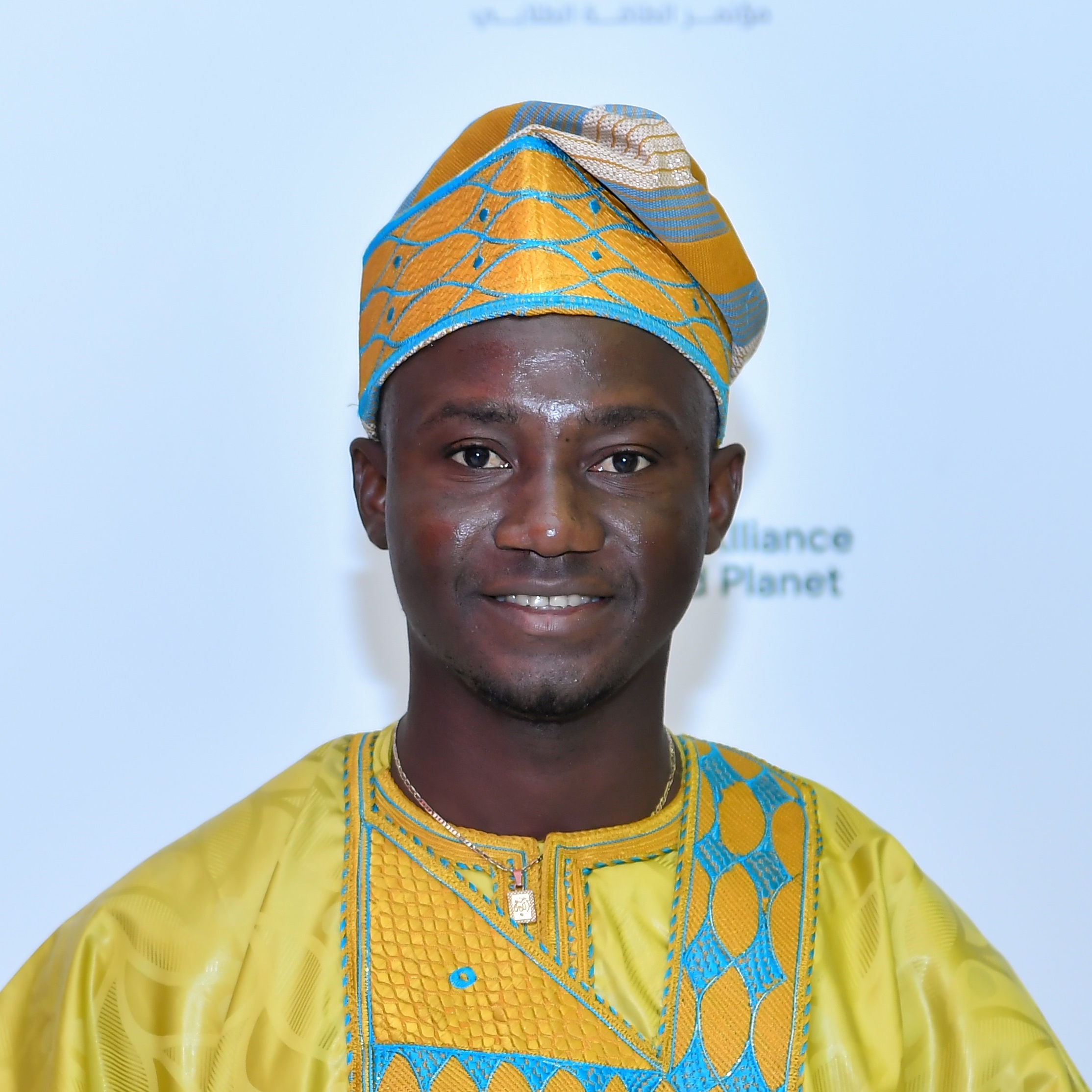
Bendjedid Rachad Sanoussi
ICT Expert
Bendjedid Rachad Sanoussi is an ICT specialist with an infectious enthusiasm for environmental protection. Since 2016, he has been working to provide innovative and sustainable solutions to socio-economic and environmental challenges using ICTs. Currently, Rachad is pursuing a PhD in digital and artificial intelligence for management in Morocco. His current research focuses on the impact of using generative AI to enhance customer experience in sustainable tourism, exploring its challenges and opportunities. His aspiration as a researcher is to bridge the gap between academia and industry through applied research that drives practical and innovative solutions. Rachad is the founder of Green Leaf AI https://greenleafai.org/, an agri-tech startup that uses AI to detect and prevent diseases in date palms in Morocco, contributing to sustainable agricultural practices. He is the Advocacy Officer at Ecolotrip and the President of the Student Leadership Committee of the UNIC Network for Climate Action (2025–2026). Furthermore, Rachad actively contributes to the analysis, research, and evaluation of cutting-edge policies. He has been a member of the research group at the Centre for AI and Digital Policy (CAIDP), where he contributed to the assessment of AI policies and practices for Morocco. Previously, he worked at the United Nations Development Programme (UNDP), where he contributed to the deployment of digital solutions worldwide and the implementation of the Digital Readiness Assessment (DRA). He also worked as a communications intern at the International Telecommunication Union (ITU). For four years, as a laboratory technician at the University of Abomey-Calavi, he taught and facilitated practical work for telecommunications engineering students. Moreover, Rachad strives to advocate for the inclusion of youth perspectives in environmental and digital policies. He is one of the recipients of the Youth Digital Champion (YDC) awards from the mEducation Alliance. He also earned the Inaugural Paul Muchene Fellow Award, a tribute to Paul Muchene. He aspires to become a policy analyst. He does agriculture, tourism, and plays football as hobbies. Learn more about him here: https://www.linkedin.com/in/rachadsanoussi/.
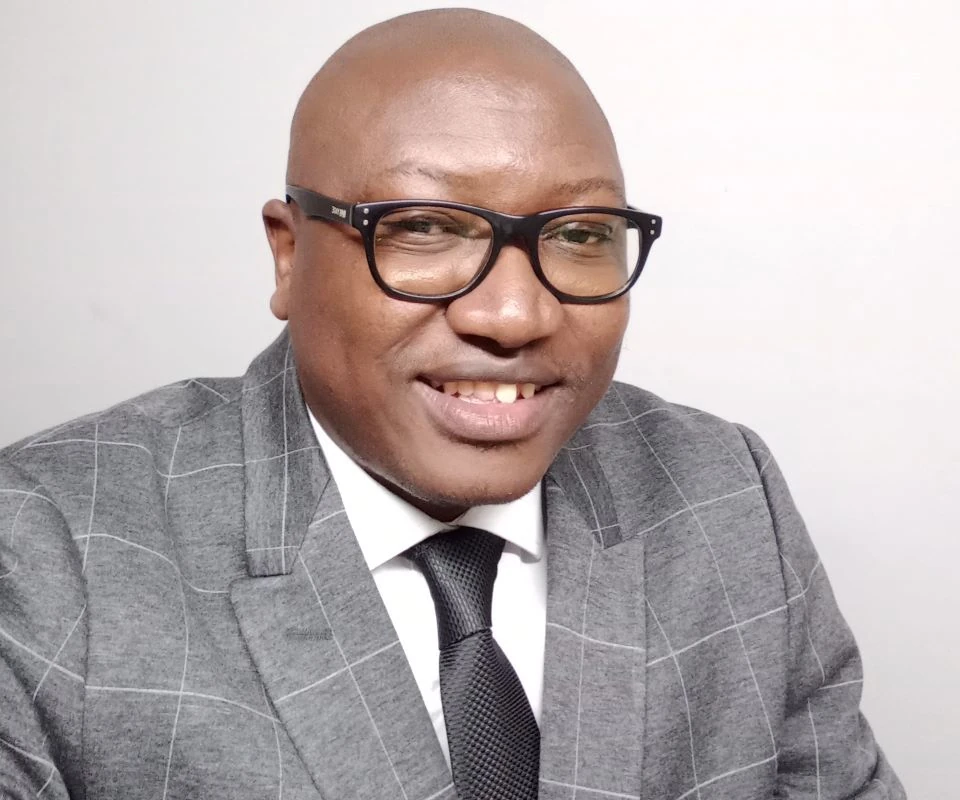
Dr. Blessing masamha
Agriculture & Rural Development Research & Development Champion.
Dr. Blessing Masamha is a Research Specialist within the Human Sciences Research Council (HSRC), Africa Institute of South Africa (AISA). He completed his Ph.D. studies at the University of Pretoria, South Africa, in 2018, having competitively won several scholarships and fellowships that include: the W.K. Kellogg Foundation Scholarship for Southern Africa students, African Development Bank (AfDB) fellowship, Regional Universities Forum for Capacity Building in Agriculture (RUFORUM) MSc Scholarship, and the UNICEF/ Innocenti Transfer Project Fellowship, among others. Blessing is an interdisciplinary researcher with a strategic focus on transforming agriculture, rural development, and food systems policy and practice. He has a regional research and development footprint in Southern, Eastern & West Africa, focusing on food policy, food security, food systems transformation, and socio-economic development. Dr. Masamha led a multi-country study on agri-food system transformation focusing on harnessing digital and artificial intelligence (AI) technologies and climate-smart agriculture practices to address food loss and waste in South Africa, Zambia, and Tanzania. His research interests have also transcended into harnessing Artificial Intelligence (AI) and digital technologies as a pathway to transform smallholder agriculture and food systems in Africa. With over 9 years of university teaching and research experience, Blessing has successfully supervised 5 MSc students in Food Security and Sustainable Agriculture to completion and has substantially co-authored articles in peer-reviewed journals, policy briefs, and project reports. Among other responsibilities within the HSRC, Blessing serves in the Interim Editorial Committee (IEC) of the Africa Insight Journal and as a Co-convenor of the Rural Development and Food Security Hub of the HSRC.
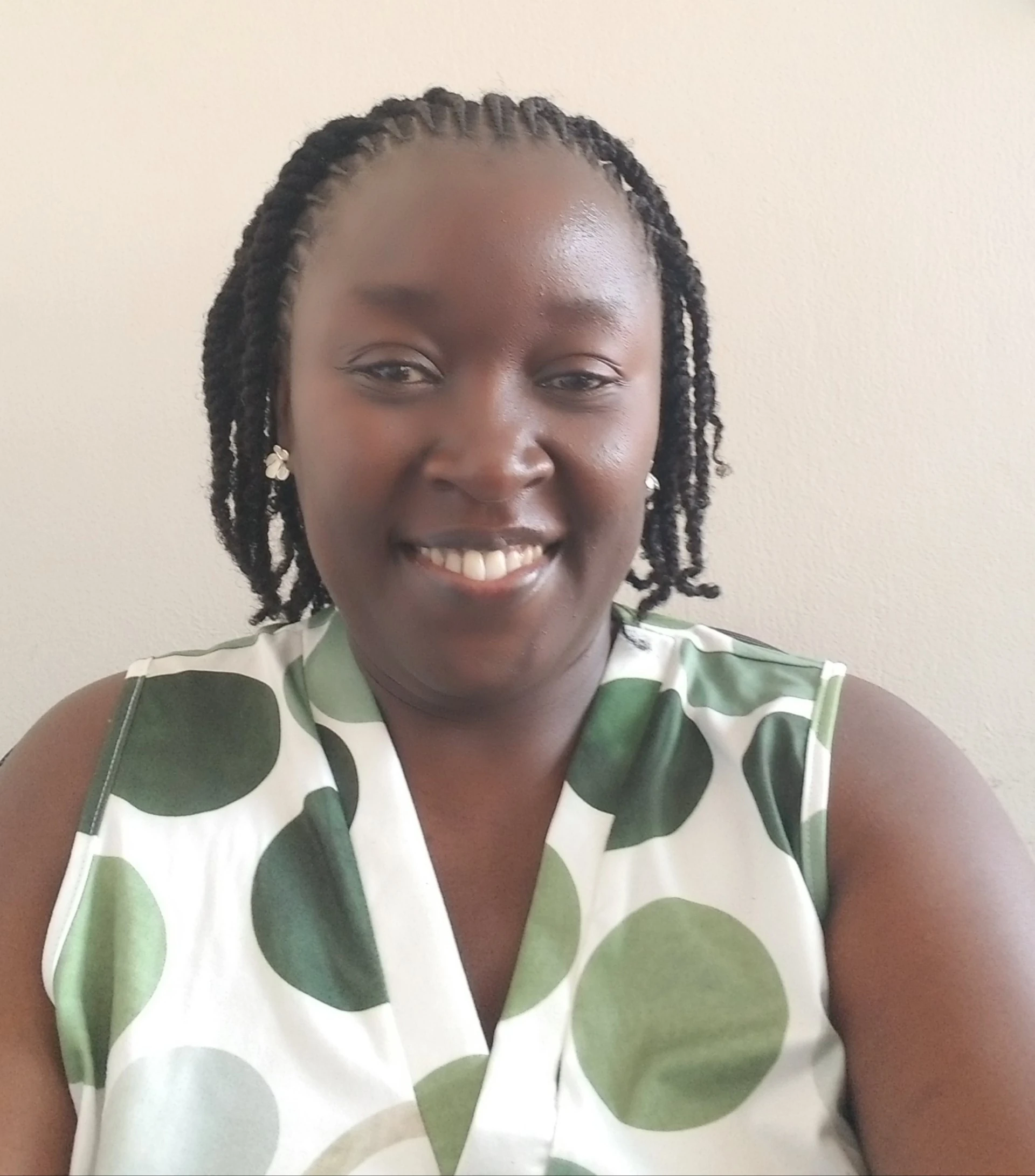
Celia Nalwadda
Principal Research Officer at Uganda National Academy of Sciences
Celia Nalwadda is a Principal Research Officer at Uganda National Academy of Sciences, where she has served for the last ten years. She is a 2021/22 Fulbright Alumna from Cornell University, New York, specialized in Climate Change and Global policy. She holds a Master of Science in Land Management, Natural Resource Management degree from Cranfield University, UK, a Post Graduate Diploma in Industrial Forestry from Helsinki University, Finland, and a Bachelor of Science in Forestry degree from Makerere University, Uganda. Her passions revolve around science communication and science diplomacy. With over ten years of experience in National Science Academy work, her specialty is facilitating trans-disciplinary scientific dialogues on evidence to address complex systemic societal challenges and inform policy-making and reform. Celia was the Academy lead on the Program for Strengthening Capacity of the Research Division of the Parliament of Uganda. Supportive roles at the Academy include team building, grant writing and partner relations. She links and represents the Academy to academic, government, international research and business organizations, as well as other national academies worldwide. Celia is also the Co-Chair of the National Bioethics Committee hosted by the Uganda National Commission for UNESCO, the Ambassador for Synbio Africa for Uganda, and a board member of Guiding Star Nursery and Primary School, as a Science Advisor.
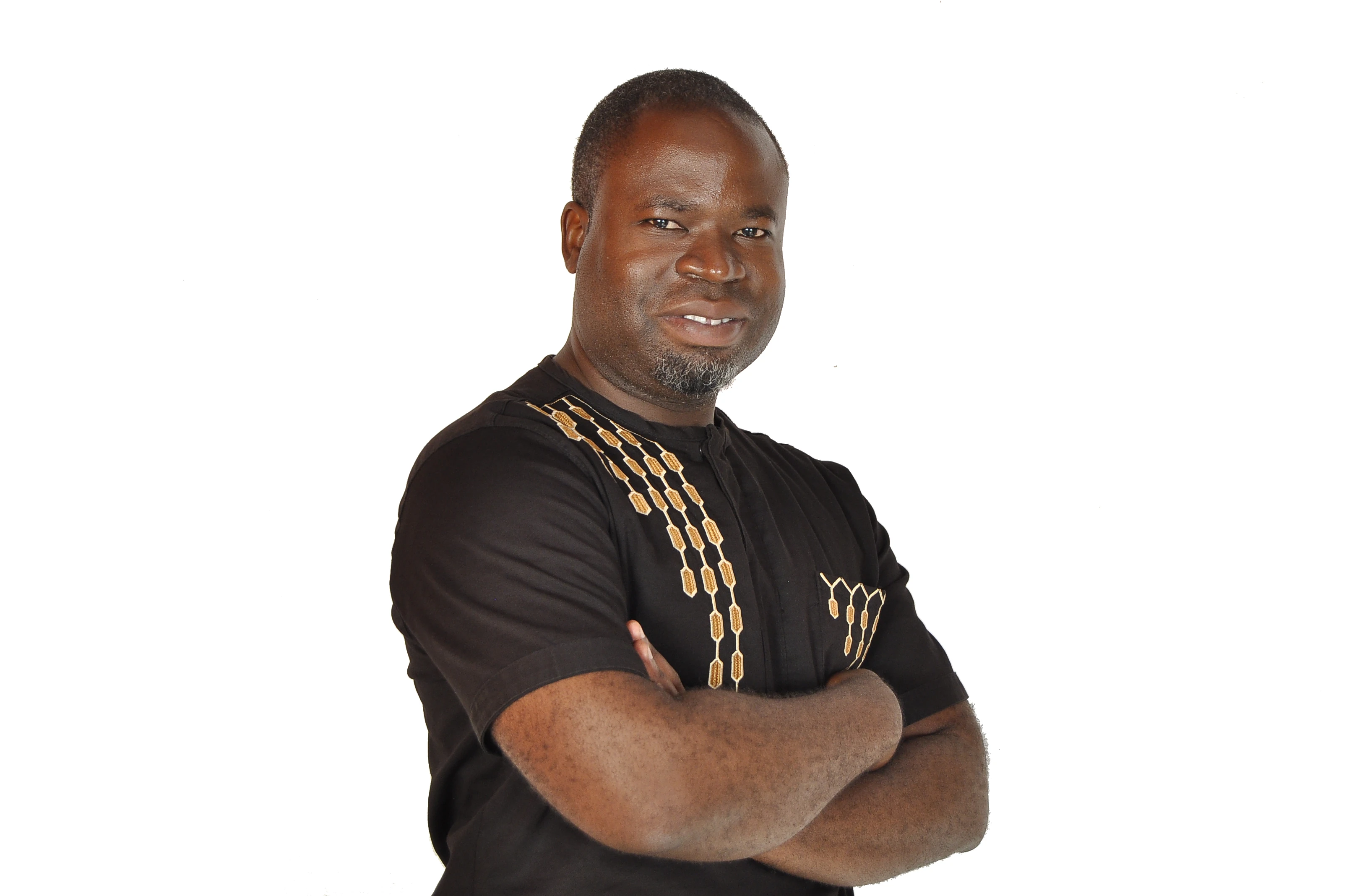
Chilizani Phiri
Zambian economist and Lecturer in Economics
Zambian economist and Lecturer in Economics with research interests in international trade, development economics and data-driven policy analysis.Chilizani Phiri is a Zambian economist and Lecturer in Economics at ZCAS University with over three years of university teaching experience in microeconomics, public finance and international economics. His work focuses on international trade, development policy, institutions and the application of data-driven methods to economic challenges in Africa. Alongside his academic role, Chilizani contributes to policy-oriented research and advisory work, including projects with organizations such as the United Nations Economic Commission for Africa (UNECA) and the Japan International Cooperation Agency (JICA). He holds a master’s degree in economics from Bursa Uludağ University in Türkiye and a bachelor’s degree in economics with Statistics from the University of Zambia and is currently completing an MSc in Data Science at ZCAS University in Zambia. Chilizani is also an alumnus of the African Programme on Rethinking Development Economics (APORDE) in South Africa. A published researcher with peer-reviewed articles in areas including economic growth, trade and financial development, Chilizani combines strong quantitative skills with a commitment to evidence-based economic policy. Through his research and lecturing, he seeks to contribute to Africa’s structural transformation, regional integration and climate-resilient development.
Dr. Chinwe Catherine Eze
Public Health Microbiologist and Environmental Specialist
Dr. Chinwe Catherine Eze is a Public Health Microbiologist and Environmental Specialist focused on the intersection of climate change, infectious diseases, and environmental health systems in Africa. Her work examines how climate variability, water quality, and environmental degradation influence antimicrobial resistance and climate-sensitive diseases such as malaria and cholera. She integrates epidemiology, environmental surveillance, and geospatial intelligence to support evidence-based decision-making and resilient health systems. Through research, policy engagement, and capacity building, Dr. Eze advances locally driven, data-informed climate and health solutions in resource-limited settings.
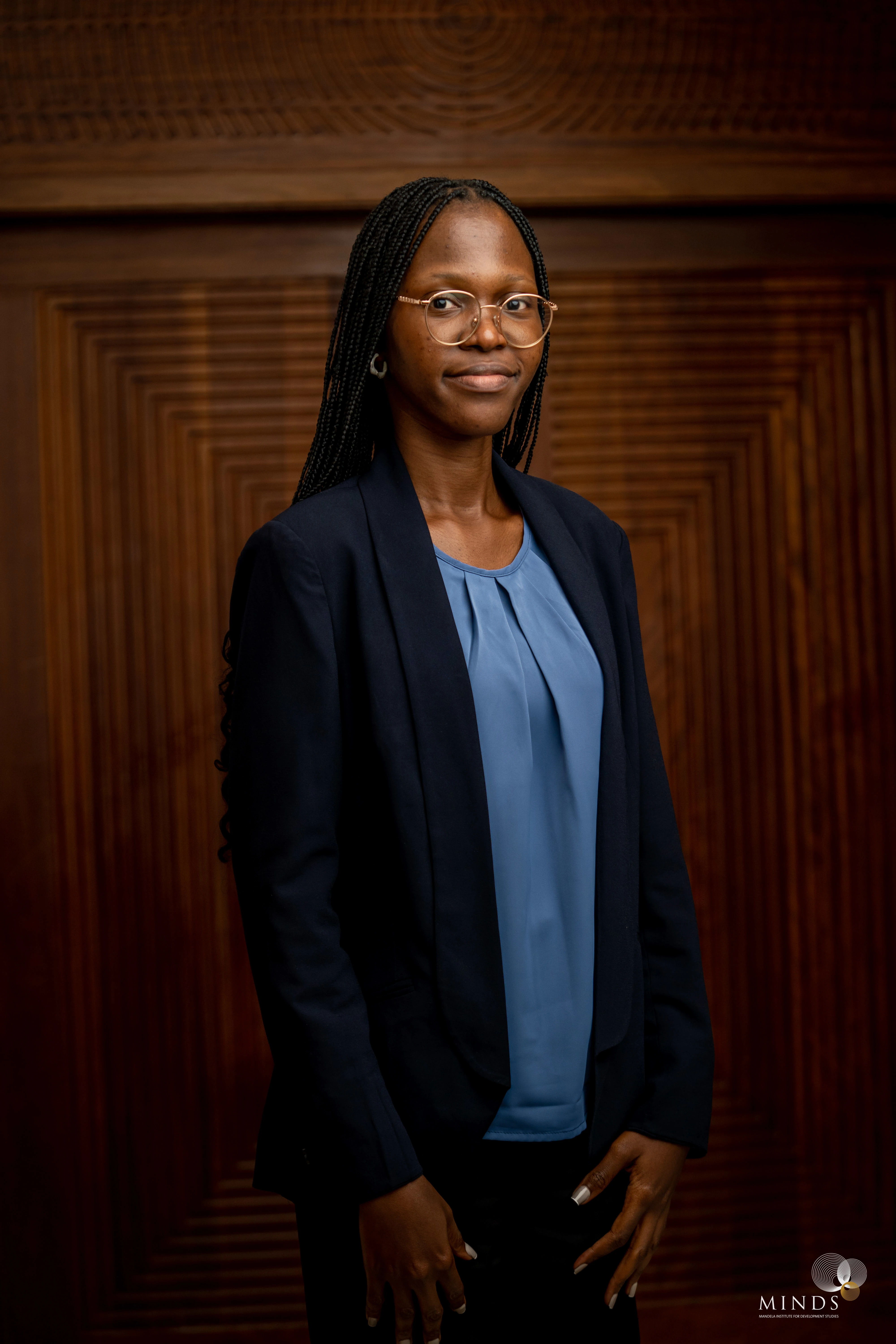
Choukouriyah Arinloye
ML Engineer
ML Engineer and PhD Researcher with 1+ years of experience in developing data processing pipelines and models across several fields including climate, environment, disaster management and policies. Currently building expertise in research at the intersection of Artificial Intelligence and sustainable development. My research interests include AI for Earth Observation, Computer Vision, Explainable AI, Models Compression, AI Policy, and environmental applications.
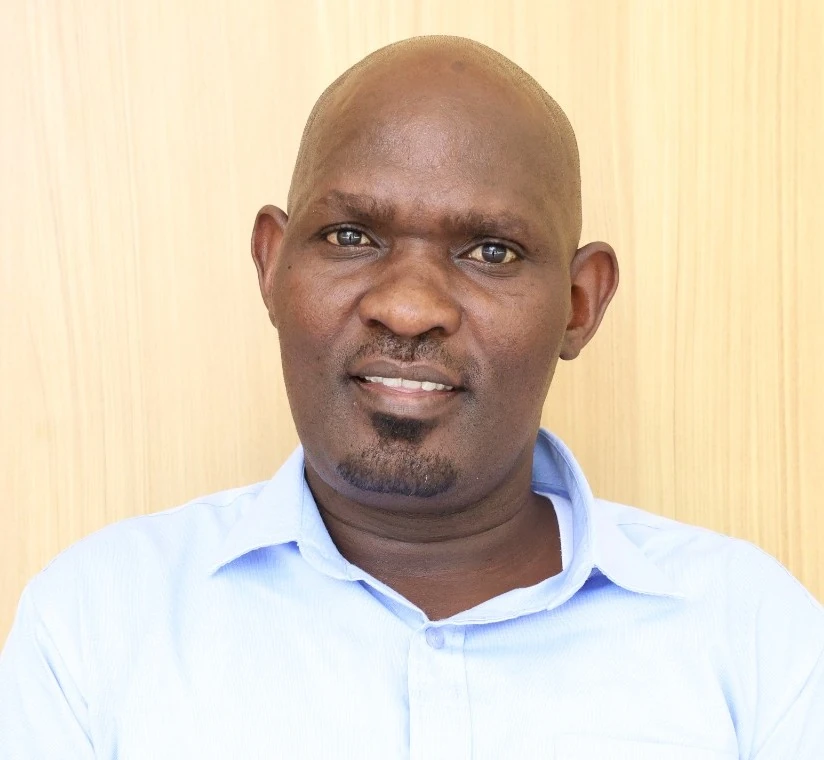
Dr. Jeremiah Onunga
Dr. Jeremiah Osida Onunga is a distinguished academic and researcher whose expertise in information and communication technology (ICT) and educational technology positions him ideally as the lead researcher for this study on AI-driven educational tools in Turkana County. Holding a Ph.D. in Information Technology from Kibabii University (2023), with a thesis on IoT-based terrestrial biodiversity data processing, Dr. Onunga has over a decade of experience advancing ICT applications in education and sustainable development. His academic journey includes a Masters in Information Technology from Rongo University (2017), focusing on m-shopping adoption, and a Postgraduate Diploma in Management of Electronic Information and Digital Libraries from the University of Antwerp (2015), equipping him with specialized knowledge in digital systems and education. As Chairperson of the Department of Renewable Energy and Technology at Turkana University College since 2019, Dr. Onunga has led curriculum development and research initiatives, fostering digital literacy in a resource-constrained region. His role as a Lecturer and Tutorial Fellow in Computer Science at Turkana University College and part-time lecturer at Rongo and Kisii Universities demonstrates his ability to design and deliver engaging courses on data structures, algorithms, and software engineering. His expertise in programming languages (Java, Python, C++) and learning management systems (Moodle, Canvas) directly supports the study’s focus on AI tool integration, such as Eneza Education, in secondary schools. Dr. Onunga’s research portfolio, with 29 citations on Google Scholar, includes publications relevant to the IEAs call, such as Digital Technology Access and Use among Socially and Economically Disadvantaged Groups in Turkana County (2021) and A Review of Virtual Environment for Sharing Curriculum and Research Collaboration among Universities in Kenya during COVID-19 (2022). These works highlight his understanding of digital equity and e-learning, critical for analyzing ICILS data and addressing Turkana’s educational challenges. His experience securing grants, including 18,000 for his Ph.D. research and 5,600 for an E4A Design Challenge prototype, underscores his ability to manage funded projects, ensuring the projects are completed within the time frame. His leadership extends to policy development, including roles in Turkana University’s Strategic Plan Committee and AI Policy Development Committee, aligning with the study’s policy-relevant goals. Dr. Onunga’s fieldwork in Turkana, such as his IoT-based biodiversity project, demonstrates his cultural and contextual sensitivity to the region, vital for conducting qualitative interviews. His professional training in pedagogy, open access systems, and ICT policy, combined with memberships in the ICT Authority of Kenya and East African Quality Assurance Network, further enhances his capacity to lead this mixed-methods study. Dr. Onunga’s blend of academic rigor, regional expertise, and practical ICT experience ensures alignment with the IEAs objectives, delivering actionable insights for digital literacy and equity in Turkana County.
Edward Chisala
Edward Chisala is a Digital Transformation Specialist and AI researcher focused on applying technology to solve real development challenges across Africa. His work sits at the intersection of artificial intelligence, data systems, and public policy, with a particular interest in building secure digital ecosystems. He is a Junior Lecturer in Computer Science at the Namibia University of Science and Technology (NUST), where he mentors undergraduate students and contributes to academic development while pursuing his PhD in Computer Science. His doctoral research focuses on strengthening internet security frameworks in Sub-Saharan Africa, with an emphasis on translating technical research into practical governance and policy models. He holds a Master of Science in Informatics by Research from NUST, where his thesis focused on developing a mobile application to address social media cyber violence and promote digital safety. With over five years of professional experience across finance, health, and international development, Edward has contributed to AI-powered employment and CV-ranking systems, processed and analysed large-scale health datasets supporting malaria eradication efforts, and supported digital governance and financial technology transformation initiatives. His work consistently bridges technical implementation with development impact. Beyond his formal roles, Edward is actively engaged in regional and global initiatives. Through the SADC Young Professionals platform and the United Nations Volunteers programme, he has collaborated on AI-powered climate resilience modelling and cross-border development research. He is committed to mentorship, knowledge transfer, and strengthening African capacity in emerging technologies. His broader interests include responsible AI governance, digital public infrastructure, climate resilience, and ensuring that Africa’s digital transformation is both locally driven and globally competitive.
Faruk Uthman
Uthman Faruq is a researcher in Mathematical optimization and Artificial intelligence with a focus on applying data-driven methods to climate resilience, sustainable agriculture, and development challenges in Africa. He is affiliated with the College of Innovation and Computing Technology at Summit University, Offa, Nigeria. His work integrates Machine learning, Optimization and Modelling, and Decision-support systems to address real-world problems such as climate-smart farming, market information systems for smallholder farmers, and climate policy analysis. Faruq is currently pursuing a PhD in Applied Mathematics (Optimization and Modeling), where his research explores machine learning–enhanced interior-point methods for large-scale convex optimization problems. He is passionate about leveraging AI to support resilient communities, sustainable food systems, and evidence-based climate solutions across Africa.

Fayera Bakala
Mr. Fayera is a Researcher at the Policy Studies Institute (PSI), Ethiopia, and an economist specializing in natural resource economics and policy. He holds two master’s degreesone in Natural Resource Economics and Policy and another in Project Planning and Managementas well as a Bachelor’s degree in Wildlife and Ecotourism Management. With over ten years of professional experience in teaching, research, community service, and consultancy, he has contributed extensively to natural resource management, environmental economics, and development planning. He has taught undergraduate and postgraduate courses, supervised numerous research projects, and published works on different areas. His research interests include environmental and climate change economics, sustainable livelihoods, ecological poverty, biodiversity conservation, and wildlife studies, with strong expertise in land use and land cover change analysis and the socio-economic dimensions of forests, wetlands, and other natural capital systems. He is also experienced in project management and the application of qualitative and quantitative research methods.
Ferede Abuye
Dr. Ferede Abuye Jeldu is a Fellow at ARIN and senior lecturer at Mettu University, Ethiopia. He holds a PhD in Climate Change and Bioenergy Development, a MSc in Environmental Science, and a BSc in Forest Management and Utilization. Dr. Ferede research work focuses on climate change, energy projects, forest conservation, environmental management, biosphere reserve management and ecosystem restorations. Dr. Ferede has published varies research article, which are focused on climate change, forest conservation, forest carbon stock estimation, the predictive role of woody diversity for biomass carbon predictions, land use dynamics for ecosystem storage dynamics and forest biosphere reserve governance and, presented at different international and national conferences. His research efforts are further supported by prestigious fellowships and grants, including the IPCC 6th Round Scholarships Programme Award and the African Forest Forum (AFF) Research Fellowship fund. He has also received a Certificate of Service from the African Forest Forum (AFF) for his participation in a workshop on forest and tree-based ecosystem services for socio-ecological resilience to climate change in Africa. Dr. Ferede completed a technical writing and publishing scientific papers training course organized by Sokoine University of Agriculture in collaboration with AFF. Currently, Dr. Ferede is serving as the Internship and Laboratory Coordinator at Mettu University, Ethiopia, where he plays a crucial role in bridging theoretical knowledge with practical application in the different programs. Dr. Ferede has been selected for the prestigious "AI in Climate Resilience in Africa Project" fellowship, emphasizing his commitment to creating a greener, sustainable future for generations to come.
Gbêmêmali Castro Hounmenou
Globally recognized as a "World Top Scientist 2024" in Biostatistics and recipient of the "Best Researcher Award 2025" in Disease Modeling, Dr. Eng. Castro Gbêmêmali HOUNMENOU is a leading figure in Artificial Intelligence applied to Africa’s most vital challenges. With over 15 years of international expertise, he transforms complex Big Data into high-impact strategies that benefit communities, supporting premier global institutions such as the World Bank, FAO, GIZ, IRD, and CIRD. As a key architect of Guinea’s National AI Strategy and a technical leader in the fight against major epidemics (Ebola, COVID-19, Malaria), he seamlessly integrates advanced Machine Learning, geospatial modeling, and social sciences to drive informed public decision-making. His unique multidisciplinary backgroundspanning AI, Global Health, Agriculture, Environment, Climate, and Psychologyis backed by a distinguished career in teaching, research, and high-level consulting, including over 50 international publications. A pillar of elite networks such as AI4D Africa, AMMnet, and the IBA, this PhD in Statistics-AI combines absolute technical mastery (Python/R/GIS) with a geopolitical vision of data. His ambition is clear: to revolutionize continental health and food security within international organizations through cutting-edge innovation and rigorous data governance.
Gbêmêmali Castro Hounmenou
Globally recognized as a "World Top Scientist 2024" in Biostatistics and recipient of the "Best Researcher Award 2025" in Disease Modeling, Dr. Eng. Castro Gbêmêmali HOUNMENOU is a leading figure in Artificial Intelligence applied to Africa’s most vital challenges. With over 15 years of international expertise, he transforms complex Big Data into high-impact strategies that benefit communities, supporting premier global institutions such as the World Bank, FAO, GIZ, IRD, and CIRD. As a key architect of Guinea’s National AI Strategy and a technical leader in the fight against major epidemics (Ebola, COVID-19, Malaria), he seamlessly integrates advanced Machine Learning, geospatial modeling, and social sciences to drive informed public decision-making. His unique multidisciplinary backgroundspanning AI, Global Health, Agriculture, Environment, Climate, and Psychologyis backed by a distinguished career in teaching, research, and high-level consulting, including over 50 international publications. A pillar of elite networks such as AI4D Africa, AMMnet, and the IBA, this PhD in Statistics-AI combines absolute technical mastery (Python/R/GIS) with a geopolitical vision of data. His ambition is clear: to revolutionize continental health and food security within international organizations through cutting-edge innovation and rigorous data governance.
Gloria Chepkirui
A visionary environmental scientist and consultant driving sustainable development, climate resilience and community-led ecosystem conservation.Gloria is an Environmental Scientist with a strong interest in climate change adaptation, conservation and sustainable development goals (SDGs). She holds a Bachelor’s degree in Environmental Science and is currently winding up her Master’s degree in Climate Change Adaptation at the University of Nairobi, Kenya. Her current research focuses on Sustainable Goal 13 (Climate Action) in conservation. Her work involves community-led climate action, stake-holder engagement, conservation and adaptive initiatives among others. She also has major interest in transitioning to just renewable energy in Africa and globally. She helps in people-centered approaches that support environmental resilience and social equity and believes that protecting our earth is not just environmental stewardship, it is the foundation for climate resilience, thriving communities and a sustainable future.
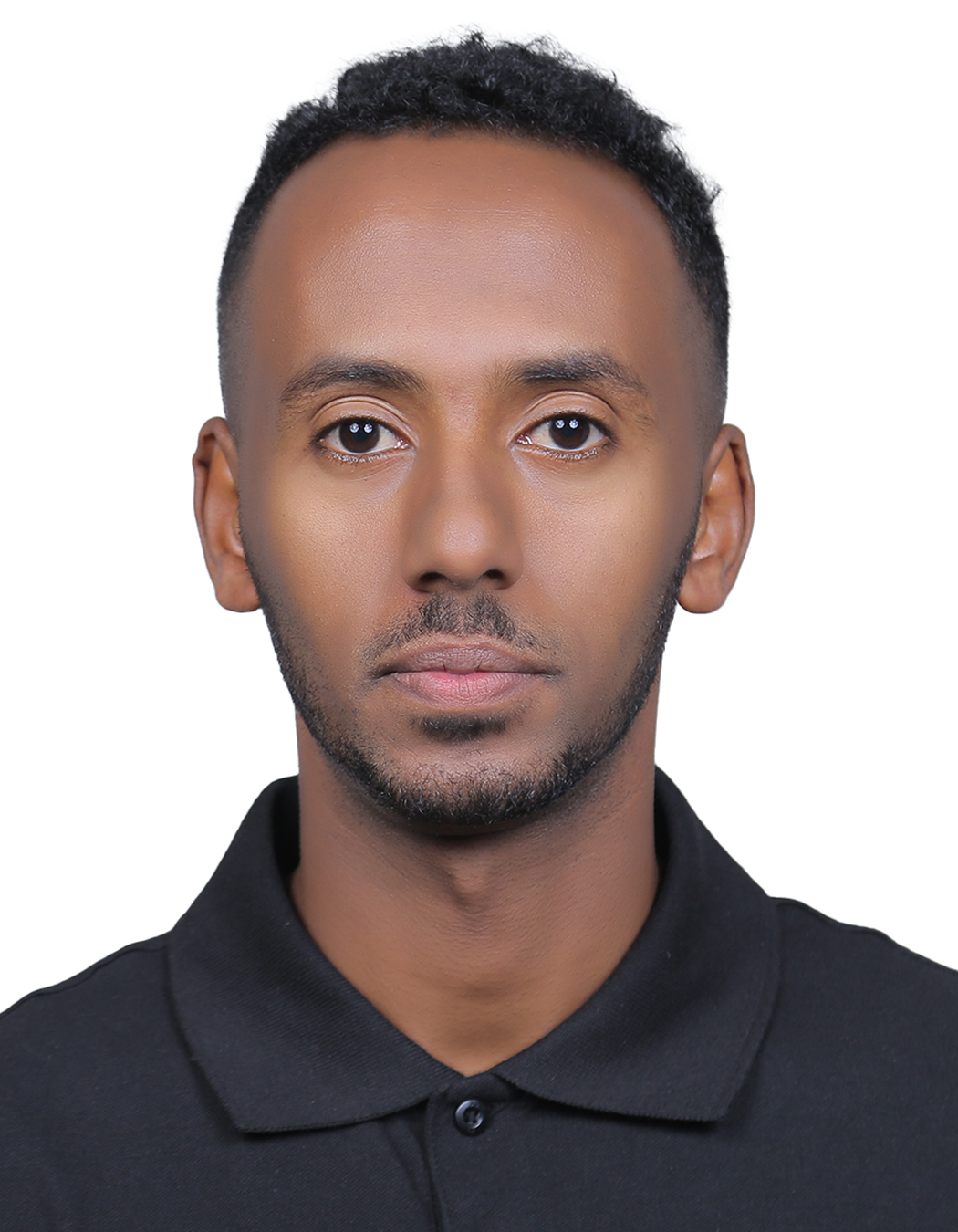
Henok Tadesse Bireda
public health researcher and epidemiologist at the Ethiopian Public Health Institute
Henok Tadesse is a public health researcher and epidemiologist at the Ethiopian Public Health Institute, working in the Surveillance and Epidemic Intelligence Division. His work focuses on strengthening data-driven surveillance and outbreak response for climate-sensitive infectious diseases, including malaria, dengue, and other vector-borne diseases. Henok has led and contributed to national surveillance analytics during Ethiopia’s recent malaria resurgence, developing automated pipelines for epidemiological reporting, forecasting, and decision support used by the national malaria response team. His research interests include the intersection of climate variability and infectious disease transmission, particularly how climatic drivers influence malaria seasonality and geographic risk patterns in Ethiopia. He is currently involved in research integrating epidemiology, genomics, and environmental data to better understand disease dynamics. Henok is also an advocate for open-source analytics and has delivered training in R for public health surveillance professionals through regional capacity-building initiatives. Through the AI in Climate & Health Fellowship, he aims to explore how artificial intelligence and advanced data analytics can improve early warning systems and predictive modeling for climate-sensitive diseases in Africa.
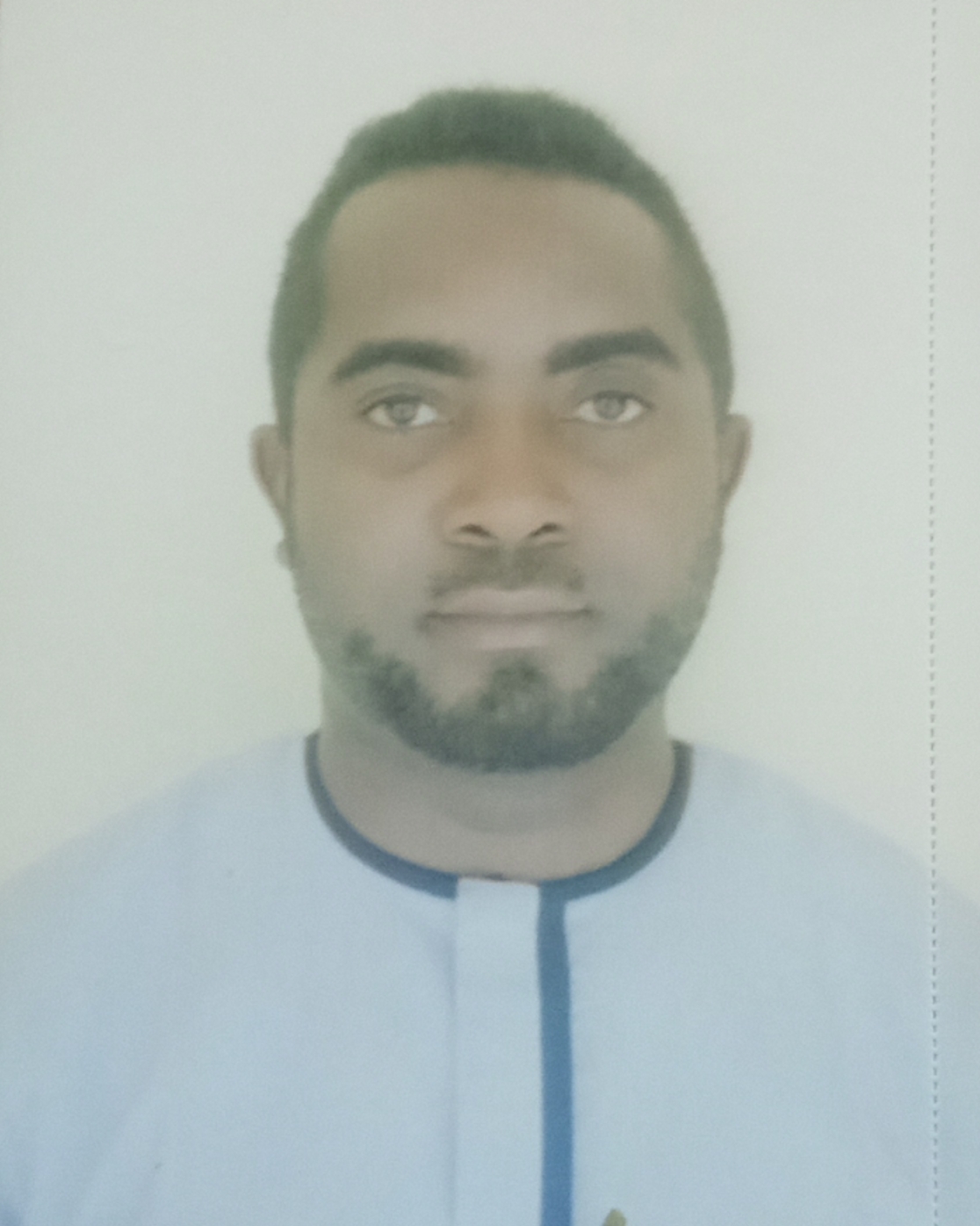
Ikogor Mike
Ikogor Michael is a Monitoring & Evaluation and Information Management specialist with over nine years of experience leading large-scale data systems across humanitarian and social protection programs. He has overseen data architecture, electronic data collection systems, validation frameworks, and analytics operations for major donor-funded initiatives, including World Bank–supported programs serving tens of thousands of vulnerable households. Beyond information management, he has developed Monitoring and Evaluation frameworks, performance indicators, and data verification protocols to strengthen accountability and results-based management. His expertise spans database administration, statistical analysis using Stata, SQL, and Power BI, dashboard development, and the institutionalization of data quality standards to support evidence-based targeting and transparent decision-making. He has supervised large-scale field enumeration exercises and managed complex beneficiary datasets to enhance program performance and operational integrity. Currently pursuing a Master’s degree in Computer Science, his research focuses on “A Hybrid Machine Learning Approach for Classifying and Recommending Social Services to Poor and Vulnerable Individuals and Households.” His academic and professional work advances the application of machine learning and structured data systems to improve precision targeting and policy decision-making within African development contexts. He serves as a Research Fellow in AI for Climate Resilience with the Africa Research and Impact Network.
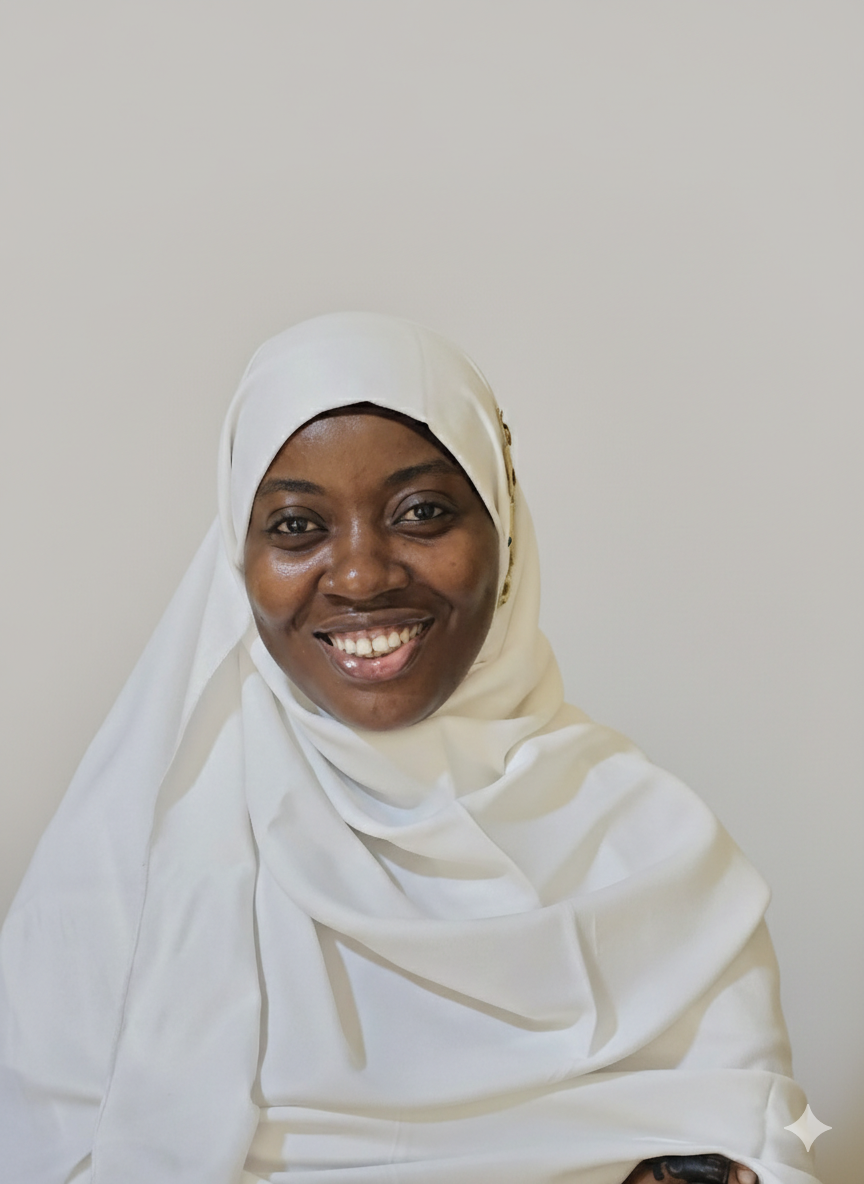
Islamiyyah Arowana
Programmes Director, Environmental Law Research Institute.
Islamiyyah Arowona is a legal practitioner with over six years of experience at the intersection of law, policy, and climate change. Having completed her master's degree with specialization in Climate Change Law and Governance at the University of Lagos, she has dedicated her career to bridging the gap between theoretical research and practical legislative action. Her expertise lies in developing robust governance frameworks that enable sustainable development and climate resilience across the Africa. As the Programmes Director of Environmental Law Research Institute, she has contributed significantly to the development of the Nigeria Climate Change Act, 2021, and The Gambia’s Climate Change Bill. As an ARIN Fellow, Islamiyyah is pioneering the intersection of Artificial Intelligence (AI) and Climate Justice. Recognizing that legislation alone is insufficient, she has secured certifications in AI application to leverage technology for early warning systems and resource optimization. Her current research focuses on developing adaptive legal and policy frameworks for the ethical integration of AI in African urban centers. Her mission is to ensure that cutting-edge innovations are deployed responsibly and equitably, safeguarding the livelihoods of Africa’s most vulnerable populations.
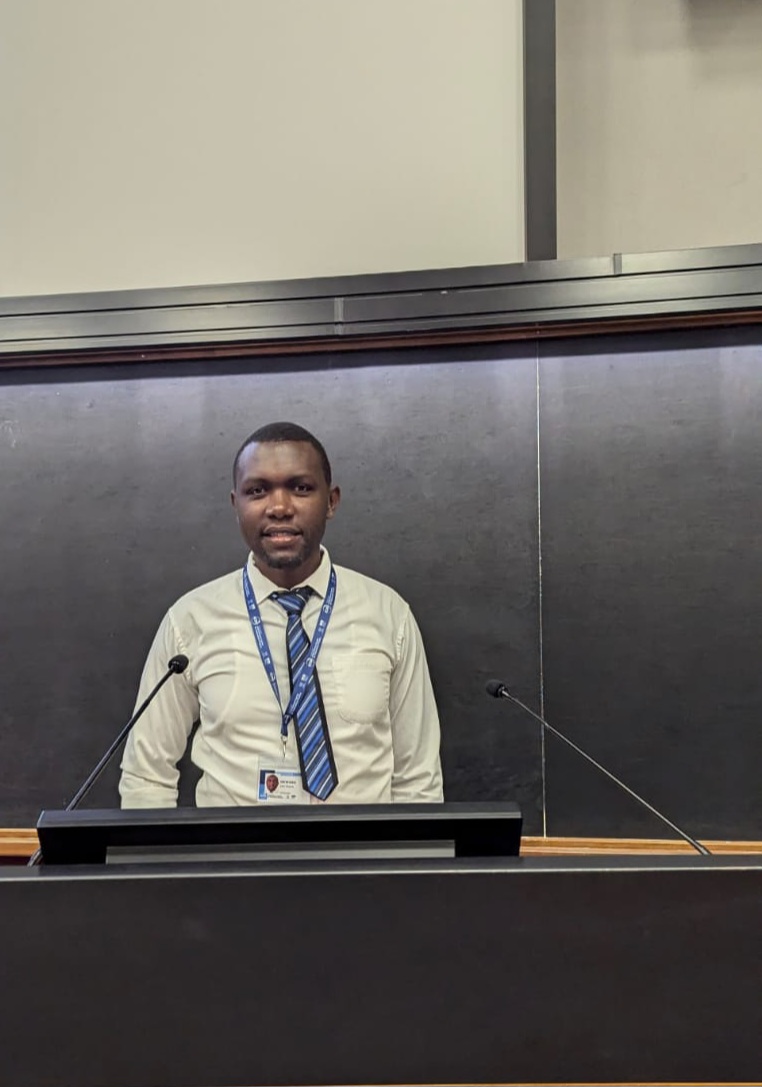
John Okwaro
John Okwaro is the Head of the Department of Environment and Disaster Management at Vihiga Municipality, Kenya, where he leads initiatives on environmental sustainability, climate resilience, and disaster risk management. He oversees programs related to solid waste management, environmental planning, climate mitigation and adaptation, and the promotion of sustainable urban development within the municipality. With a background in environmental management and sustainable development, John has extensive experience in municipal environmental governance, policy implementation, and community-based environmental initiatives. His work focuses on strengthening climate-smart urban systems, improving waste management practices, and integrating environmental considerations into urban planning and infrastructure development. John is passionate about advancing circular economy approaches, climate action, and sustainable land management to support resilient communities. Through his leadership, he aims to enhance institutional capacity and promote innovative solutions that contribute to sustainable growth and improved environmental quality in Vihiga Municipality and beyond.
Kipchirchir Kigen
Rev. Kigen Kipchirchir Benard is a Kenyan public health specialist, theologian, counseling psychologist, and public policy analyst serving as Assistant Director of Population Health at the National Council for Population and Development (NCPD) under Kenya’s State Department for Economic Planning – The National Treasury and Economic Planning. With over a decade of professional experience, he works at the intersection of population health, climate change, governance, and social justice, advancing evidence-informed policies that promote equity and sustainable development. He is currently a PhD candidate in Public Health Epidemiology at Walden University (USA), where his research focuses on environmental exposures, reproductive health, and planetary health governance in marginalized and climate-vulnerable communities. His interdisciplinary training in theology, psychology, and public policy shapes his holistic and ethics-driven approach to resilience building, mental health integration, and inclusive development. As a Fellow of the Africa Research and Innovation Network (ARIN) under the AI for Climate Resilience Research Fellowship, Kigen explores how artificial intelligence and data-driven systems can strengthen climate adaptation strategies, enhance health systems resilience, and advance data justice in low-resource settings. He is committed to translating research into policy impact, fostering cross-sector collaboration, and championing community-centered innovation across Africa.
Letsatsi Lekhooa
Systems Librarian | Climate Technology Researcher | Data and Digital Infrastructure Advocate
Letsatsi Phinehas Lekhooa is a Systems Librarian at the National University of Lesotho and a climate technology researcher with over a decade of experience in information systems, climate communication, and digital knowledge infrastructures. He is the Founder and Chairperson of the Lesotho Research and Education Network, where he works to strengthen research connectivity, digital infrastructure, and open science in Lesotho. His professional work sits at the intersection of climate change, data governance, and digital innovation. Lekhooa has contributed to several national and international initiatives focused on climate adaptation, data systems, and technology for sustainable development. He serves as an Executive Member of Lesotho’s National Climate Change Committee and participates in several policy and research platforms addressing climate resilience and digital transformation. Lekhooa is currently pursuing a Master’s degree in Sustainable Energy at the National University of Lesotho. His research interests include artificial intelligence for climate action, energy data analytics, and the role of digital infrastructures in supporting sustainable development in Africa.

Lionceau Clovis AGRE
Lionceau Clovis AGRE is an AI Governance and Responsible AI Specialist with a background in Fundamental Physics and a Master’s degree in Artificial Intelligence & Big Data. His work focuses on the governance, risk management, and responsible deployment of AI systems, particularly within climate resilience and energy systems across African contexts. He currently serves as Team Leader at the Center for AI and Digital Policy, where he contributes to comparative regulatory analysis, national AI strategy assessments, and international AI governance evaluations. He completed the Artificial Intelligence Policy Program at the same institution, strengthening his expertise in global regulatory frameworks and public-interest AI oversight. In parallel, he is engaged with FRIARE Africa, supporting research coordination and institutional partnerships advancing responsible AI governance on the continent. His research and applied work examine AI risk management standards (including ISO/IEC 42001), data governance frameworks, algorithmic accountability, and the integration of ethical safeguards into AI-driven climate and energy systems. He is particularly interested in how governance mechanisms can prevent structural inequalities from being reproduced through automated systems and strengthen institutional resilience in emerging economies.

Lovisa Kandenge
Junior Project Technician (Conservation practitioner) at the National Botanical Research Institute (NBRI)
Lovisa is a conservation practitioner specializing in IUCN Red List assessments, biodiversity data verification, and spatial analysis. She has drafted and contributed to published Red List assessments and supports evidence-based conservation through ecological field surveys, GIS applications, and technical reporting. Her work focuses on strengthening threatened species assessments and promoting scientifically grounded conservation planning.

Lum-Awah-Lum Sonita
Dr. Lum Sonita Awah is a disaster risk reduction and climate adaptation researcher focused on the co-production of climate services to support resilient decision-making in African contexts. She is currently a Postdoctoral Fellow with the World Climate Research Programme’s Regional Information for Society (RIfS) Africa initiative at the Alliance of Bioversity International and CIAT. She holds a Ph.D. in Disaster Management from the University of the Free State, South Africa. Her research applies systems thinking and participatory approaches to understand socio-ecological vulnerability, governance, and adaptation pathways, working closely with communities, policymakers, and stakeholders to co-produce actionable climate information. A well-travelled researcher, she has conducted research and collaborative projects in countries including Sweden, Germany, South Africa, Cameroon, Kenya and across multiple other African contexts. Through her work, she aims to bridge science, policy, and practice, promoting inclusive and evidence-based strategies for climate resilience across diverse African landscapes.
Lusekelo Mwandosya
Registered Dietitian, Sustainable Food Systems Entrepreneur
Lusekelo Mwandosya is a Registered Dietitian and Founder of Green Resource Management Enterprise (GREME). Lusekelo Mwandosya dedicates his full passion to implementing sustainable food systems solutions in rural communities. He enjoys supporting rural communities innovate food systems, and enable SMEs adopt eco-sustainable solutions and climate-smart innovations through training, innovation support, and partnership. He is currently leading a community project that helps smallholder beekeepers adopt modern beekeeping practices. Previously, he spearheaded the construction of solar tent fish dryers to reduce post-harvest losses among local fish traders. Lusekelo is a Research Fellow for the Artificial Intelligence for Climate Resilience Solutions in Africa Project at the Africa Research and Impact Network. He works with a mission to enable smallholder farmers leverage Digital solutions to have access to advisory services through AI.
Markmoses Gateiya
Markmoses Kinaiti is a trained Urban and Regional Planner having graduated with a bachelor’s degree from the Technical University of Kenya. He has extensive experience in private and public sectors and is currently working as a researcher at the National Land Commission, Kenya where he conducts research on land and natural resources. His expertise is in Geographic Information Systems (GIS), land use planning and data analytics. Markmoses is engaged in land policy development where he advances data driven decision making and information dissemination through advocacy and community engagement. Markmoses is passionate about sustainable land governance, land use planning, land rights justice and promotion of livelihood resilience for communities. As a data analyst he enjoys working with data and is a proponent of ethical adoption of emerging technologies.
Martin Emmanuel Komba
Mr. Martin is a parastatal researcher with extensive experience in research on agricultural economics and agribusiness with a focus on development and policy implications, currently pursuing a PhD in agricultural economics, holding Master Degree in the agricultural and applied economics. Mr. Martin is proficient in research, development and outreach focal areas include analysis of alternative business models implications for large-scale land investments on smallholder agriculture and rural development, technology adoption, smallholder commercialization, livelihoods analysis, agricultural value chains upgrading, and climate change economics. Mr. Martin has participated in many international and national multidisciplinary teams to accomplish different research and development projects like Agricultural Taxes and Subsidies Research Project, Enhancing Climate Resilience in East Africa (ECREA), Building Equitable Climate Resilient African Bean & Insect Vectors (BRAINS), Rapid Cooking Breed Project (RCBP) and Climate resilient and eco-friendly rice for Africa (CERA) project.
Mohammed Baba-Adamu
Dr. Mohammed Baba-Adamu is a Nigerian geographer, climate risk analyst and development practitioner specialising in climate–health interactions, environmental sustainability and resilience programming in fragile and conflict-affected regions. He holds a PhD in Geography (Climatology) from Yobe State University, where his research focused on the geospatial modelling of climate variability and infectious disease dynamics, particularly malaria, in semi-arid northern Nigeria. His work integrated remote sensing, GIS, machine learning and epidemiological frameworks to inform evidence-based policy and public health interventions. Dr. Baba-Adamu is an academic and currently serving as the Research Coordinator at the Centre for Environmental and Geographical Research (CEGRE), Yobe State University. He also leads Zenith Impact Consulting LTD, delivering environmental and social impact assessments, climate risk assessments, hydro-ecological diagnostics and Monitoring, Evaluation, Accountability and Learning (MEAL) services for international and national partners. With extensive field experience across the Lake Chad Basin, he has worked on projects related to WASH, peacebuilding, livelihoods, education resilience and environmental safeguards. A recipient of several competitive fellowships and research trainings, Dr. Baba-Adamu is committed to bridging academic research with practical solutions that advance climate resilience, human security and sustainable development in sub-Saharan Africa.
Mohammed Mahdi
Mahdi is a PhD researcher at Wageningen University & Research specializing in predictive modeling, artificial intelligence, and food safety risk analysis. His research focuses on developing data-driven Early Warning Systems (EWS) to predict and manage food safety risks, particularly mycotoxin contamination in agricultural supply chains across Africa. His work integrates mechanistic modeling, machine learning, and economics of adoption, causality and risk assessment to support decision-making for farmers, policymakers, and food system stakeholders. He is currently developing a climate-smart and data-driven early warning platform that combines weather data, crop information, and predictive analytics to provide real-time risk alerts and management recommendations. Beyond academia, he is interested in applying artificial intelligence and digital technologies to strengthen agricultural resilience, improve food safety systems, and support smallholder farmers in developing countries. His broader interests include AI-driven risk analytics, disease outbreak prediction, and technology solutions for sustainable agriculture and public health.
Mustafe Abdulkadir
Mustafe Abdulkadir Abdurahman is a seasoned humanitarian and development expert with over 12 years of leadership in managing complex, donor-funded projects across education, protection, climate resilience, agriculture, food systems, and livelihoods. He has successfully partnered with major international donors and institutions, including USAID, DFID, EU, UN agencies, World Bank, and GIZ, delivering strategic advisory, monitoring and evaluation, and capacity-building initiatives that strengthen community resilience and institutional capacity. He brings deep expertise in disaster risk management, gender equality, GBV prevention, climate-smart agriculture, agribusiness, and value chain, complemented by strong skills in project planning, policy development, and stakeholder coordination. His career highlights include advising government ministries on humanitarian policy, leading resilience-focused programs, and mentoring staff to achieve results-based impact. Alongside his field and advisory roles, Mustafe is a senior lecturer in education and agriculture, committed to advancing knowledge and empowering future leaders. Multilingual and proficient in digital tools such as GIS, SPSS, Kobo, and ODK, he is recognized for his ability to design evidence-based programs, synthesize technical content for diverse audiences, and advocate for vulnerable populations at national and international forums.
Muunga nalube hansingo
Experienced, enthusiastic and engaging Disaster Management Officer in the Office of the vice president in Zambia. Climate Change professional with years of experience in Disaster management, Food Security and livelihoods as well as Humanitarian work. Skilled in implementation of climate change adaptation/ mitigation policies, Disaster Risk Reduction & management, Vulnerability assessment & humanitarian Aid distribution and management, formation & coordination of district disaster satellite committees. An African Water Ambassador, Climate X Youth Trainer and Pioneer (Global Alliance of Universities on Climate - GAUC), Fellow of African Group of Negotiators Expert Support (AGNES-Africa), Fellow of the African Climate stories, A research mentee of the Support for Preparedness of Article 6 Corporation (SPAR6C -Ministry of Green Economy and Environment, UNEP-Copenhagen climate center), Level 1 consultant (GGGI).
Nathalie Molo
Molo Nathalie Sherifa is a PhD candidate and research scholar with the PATH Project, pursuing her doctorate in Precision Agriculture at the University of Rwanda, College of Agriculture, Forestry and Food Science. Her research, conducted in collaboration with the Rwanda Agriculture and Animal Resources Development Board (RAB), focuses on leveraging data-driven and technological solutions to enhance agricultural productivity. She holds a Master’s degree in Plant Biology (Plant Biotechnology) from the University of Yaoundé I, completed at the Plant Genetics and Improvement Unit Laboratory, where she remains an active member. Nathalie has contributed to several peer-reviewed scientific publications during her academic journey. Beyond academia, she has completed professional training in project management, monitoring and evaluation, and data science through the TechWomen Factory Program. She is also an alumna of several international programs and initiatives. Nathalie regularly participates in international conferences, workshops, and seminars, and is a proud member of the African Association for Precision Agriculture and STEM for Development. Professionally, she has worked as a Project Assistant with the Foundation for Development and Environment and the Research and Support Centre for Agropastoral Producers in Cameroon, where she supported research, innovation, and development initiatives.

Neliah Nyambane
Neliah Moraa is a strategic climate policy professional with over 7 years of experience at the intersection of environmental research, carbon project development, and international advisory. Currently a Policy Analyst at the Kenya Institute for Public Policy Research and Analysis (KIPPRA), she leads institutional research on emerging policy trends in energy and the circular economy, translating complex data into actionable insights for national government stakeholders. Neliah specializes in filling the gap between international environmental regulations and local context through rigorous Monitoring, Reporting, and Verification (MRV) frameworks and Life Cycle Assessments (LCA). Her expertise spans navigating high-level international reporting standards, including GRI, TCFD, and ICVCM, while ensuring climate projects, such as carbon-negative mining and biofuel initiatives, deliver tangible social and environmental benefits to local communities. A proven resource mobilizer, she has successfully secured over USD $160,000 in international funding for high-impact sustainability projects across Africa. Core Competencies: Expertise in national decarbonization goals, Article 6 of the Paris Agreement, and regional policy harmonization. Proficient in applying GRI, TCFD, and CSRD frameworks and conducting Life Cycle Assessments to mitigate emissions risks. Skilled in designing verification-ready templates and MRV tools aligned with Puro.earth and ICVCM requirements. Accomplished in bridging communication between global green-finance partners, government ministries, and local SMEs. Advanced use of Stata, R, and Python to manage large-scale climate datasets and impact dashboards. Education & Certifications: MSc in Land and Water Management, University of Embu; BSc in Environmental Science, Egerton University; Certified Professional: Google Project Management, ALX Data Analytics, and GRI Standards Reporting.

Nissily Mushani
PhD Candidate, Development Studies | Social Scientist & Policy Researcher | Malawi
Nissily Mushani is a passionate social scientist and policy researcher with over eight years of experience shaping evidence-informed development strategies across Africa. She is currently completing a PhD in Development Studies at Maseno University, Kenya, where her doctoral research examines cyclone adaptation strategies and household livelihood capitals in Malawi's cyclone-affected districts of Nsanje and Chikwawa. She also holds a Master's in Economic Policy Management from the University of Zambia and a Bachelor of Social Science from the University of Malawi. Nissily specialises in translating rigorous research into actionable policy and programme solutions, with a strong track record in designing, evaluating, and scaling development initiatives. Her professional portfolio spans leading international organisations, including UNICEF, UNFPA, the World Bank, the European Union, and USAID, as well as national governments. She has served in senior roles including as Research and Evaluation Specialist with UNICEF Malawi, Programme Manager and Development Economist with the European Union Delegation to Malawi, Policy and Advocacy Coordinator at the African Institute for Development Policy (AFIDEP), and Principal Economist at Malawi's Ministry of Economic Planning and Development. She currently serves as a part-time consultant for Palladium's WISH Dividend Policy and Systems Technical Assistance Project in Malawi, focusing on family planning policy advocacy and demographic evidence for decision-making. Nissily also serves as Malawi Country Researcher for the Global Index on Responsible AI (GIRAI), contributing to the assessment of AI governance frameworks across more than 140 countries. A recipient of multiple prestigious fellowships and awards, Nissily holds the AWARD Climate Action Fellowship (2025–2026), the Population Council PERCC Initiative Fellowship, the Moving Minds Alliance Fellowship (2025), the African Research and Data (AfRes-Data) Fellowship from the Union of African Population Studies, and the Data Science to Advance Women’s Health Fellowship (DSAWH). She is a finalist in the 2025 GDN Global Development Awards Competition (Japanese Award for Outstanding Research on Development), with research on strengthening climate-resilient mHealth systems for antenatal care in Malawi. She was also a 2021 winner of the Bill and Melinda Gates Foundation Ingenuity Fund. Her peer-reviewed publication in The Lancet Global Health (2024) reflects her commitment to generating high-impact evidence on maternal and reproductive health. Nissily brings a feminist, equity-driven lens to her research and practice, with particular expertise in mixed-methods approaches, participatory action research, and evidence-to-policy translation. Her thematic interests span climate resilience, sexual and reproductive health and rights (SRHR), gender equality, digital health systems, and youth development. She is a Graduate Teaching Assistant in the Department of Development Studies at Maseno University and is deeply committed to mentoring young women and advancing Afrocentric, inclusive learning in development studies.

Ntui Ebob Ojong Michelline
Senior Programs Development Manager at Earthworm Foundation (EF), based in Cameroon
Michelline is the Senior Programs Development Manager at Earthworm Foundation (EF), based in Cameroon. In this role, she leverages over 12 years of field experience to drive business development and partnership efforts, while formulating targeted community development approaches that generate positive impact for local communities and small-scale farmers across EF’s projects. An agronomic engineer by training, Michelline holds a Master’s degree in Agroforestry and brings a rich blend of technical and operational expertise to her work. She is an ISA61-F2F certified trainer in sustainable agriculture, Scrum certified, and a FAO-certified Knowledge Management Coach, a combination of credentials that reflects her commitment to innovation, continuous learning, and results-driven program delivery. Prior to joining EF, Michelline served as Certification Coordinator and Operations Coordinator for Cameroon and Nigeria at Barry Callebaut (BC), where she managed day-to-day activities across certification, traceability, ESG, GPS mapping, farmer training, gender-sensitive projects (IGAs and VSLAs), cooperative management, and certified bean sourcing. She designed robust Internal Control Systems (ICS) to ensure compliance with multiple certification frameworks including UTZ, Rainforest Alliance, COH, Fairtrade, GAP, ISO, and SMETA.
Oswald Chishanga
Oswald Simbarashe Chishanga is an environmental advocate, development practitioner, and visionary leader with over 13 years of experience working at the intersection of climate resilience, civic engagement, academia and community empowerment. He is the Founding Executive Director of Save Our Environment Trust, an organization committed to building climate-resilient communities across Zimbabwe. As the Zimbabwe Country Coordinator for Good Deeds Day, Oswald has championed inclusive volunteerism by uniting NGOs, government institutions, corporates, churches, schools, and individuals in nationwide initiatives that promote collective action and social good. His coordination efforts have amplified the impact of Good Deeds Day, making it a powerful platform for civic collaboration and sustainable community transformation. Oswald in his PhD current journey has research interests and lectureship focus on climate change, disaster management, project management, natural resource management, multilateral institutions, global governance, and regional integration. His dream is to cultivate a society where humans and nature coexist in harmony for the sustainability of our planet. Notable Fellowships attained to date include: Young Africa Leaders Initiative Pretoria (Business and Entrepreneurship Track) - 2018; Obama Foundation Africa Leaders Fellowship – 2019; Ashoka Changemakers Fellowship – 2020; African Academy for Civic Engagement – 2021; Mandela Washington Fellowship – 2024; Green Institute Fellowship and Country Coordinator – 2025; Jim Leech Mastercard Foundation Fellowship 2025; Beahrs Environmental Leadership Program 2026; AI for Climate Resilience Research Fellowship 2026.
Oumaima Ben Amor
Oumaima is an independent consultant in energy systems and sustainability. Her work focuses on assessing the emissions reduction potential of climate solutions, developing data-driven methodologies, and translating complex technical analyses into strategic insights for decision-making. She has experience designing research proposals, contributing to international grant applications, working on climate impact assessments, and developing curriculums and training materials in energy and sustainability. Her interests lie at the intersection of AI, data analytics, and climate resilience, with a particular focus on leveraging digital tools to strengthen mitigation, adaptation, and sustainable development pathways.
OVIANNE BIRINDWA Vivianne
Geospatial Data Scientist, researcher, and Junior Lecturer at the Université Catholique de Bukavu (UCB), Democratic Republic of Congo
Jovianne Birindwa is a Geospatial Data Scientist, researcher, and Junior Lecturer at the Université Catholique de Bukavu (UCB), Democratic Republic of Congo, where she teaches Computer Science, geospatial technologies, and Machine Learning. She holds a Bachelor's degree in Computer Science from UCB, a Master's degree in Telecommunication and Computer Networks from MIT University Dakar, and additional credit-seeking studies in Precision Agriculture at the University of Rwanda. As a researcher at the Centre de Recherche en Environnement et Géo-ressources (CREGéR) at UCB, Jovianne applies GIS, remote sensing, and machine learning to address food security and climate resilience challenges in the DRC. She is the founder and project lead of SmartShamba, a mobile platform combining IoT sensors and AI to provide smallholder farmers with early weather forecasts, pest detection, and plant disease alerts. Recognized by the FAO, Dskills East Africa, OIF CapInnovation, and UN eTrade for Women for her innovations, Jovianne is also a STEM Ambassador dedicated to reducing the gender gap in technology across Africa. She is an AI for Climate Resilience Research Fellow at ARIN.
Patricia Baariu
Patricia Baariu is a sustainability professional with 15 years work experience spanning the public and private sectors in Kenya. She holds a Bachelor of Landscape Architecture degree of the Jomo Kenyatta University of Agriculture and Technology (JKUAT), Master of Arts in Environmental Policy from the Centre for Advanced Studies in Environmental Law and Policy of the University of Nairobi. She is currently pursuing PhD in Environmental Law at the Faculty of Law, University of Nairobi. In addition, Patricia is registered with the National Environment Management Authority (NEMA) as a Lead EIA/EA expert and is a member of the Environment Institute of Kenya and a corporate member of the Architectural Association of Kenya – Landscape Architects chapter. Moreover, she is a Global Reporting Initiative (GRI) certified sustainability professional. Her professional interests are inclined towards climate action and resilience, green infrastructure and technologies, policy formulation, training and capacity development, nature-based solutions, and environmental & social impact assessments (ESIA)/environmental audits (EA). Specifically, in addition to being a trained trainer, Patricia was an Environmental and Social Safeguards officer for the East Africa Skills for Transformation and Regional Integration Project (EASTRIP) and the Horn of Africa Gateway Development Project (HoAGDP), both of which were anchored in the State Department for Roads, Kenya. Patricia is currently an Assistant Director in the Department of Urban Governance, Management and Resilience, State Department for Housing and Urban Development. Here she is leading the design and implementation of strategic programmes focused on urban governance, climate resilience, circular economy approaches, and sustainable urban infrastructure in Kenya. Patricia is passionate about fostering urban solutions that enhance livability, environmental stewardship, and equitable economic opportunities in rapidly urbanizing contexts. Her professional interests include sustainable urban systems, governance reform, urban resilience, and knowledge-based, data-driven and evidence-anchored policy innovation. Her work centers on advancing inclusive, green, and resilient urban development through research, policy development, capacity building, and multi-stakeholder partnerships. Patricia is contributing to the formulation of national and sub-national strategies addressing urban sustainability challenges, including urban food waste management, green economy transitions, climate financing, and urban environmental management.
Ramadhan Kenga
Ramadhan Shadrack Kenga is a First Class Honours graduate in Natural Resource Management (73% average) from Masinde Muliro University of Science and Technology (MMUST), Kenya. His training spans ecology, climate change, GIS and remote sensing, quantitative ecology, environmental impact assessment, and natural resource policy. He completed his industrial attachment at the Kenya Forestry Research Institute (KEFRI), Gede Eco-Research Station, gaining hands-on experience in forest ecosystem management, mangrove rehabilitation, seed handling, and nursery and woodlot establishment. For his undergraduate research, he evaluated biochar as a soil conditioner to enhance the growth of Brassica oleracea (sukuma wiki), exploring sustainable soil fertility improvement. Ramadhan is passionate about climate resilience and the integration of AI and data-driven approaches to support evidence-based environmental management and sustainable development in Africa.
Richard Mulenga
Senior Lecturer and Researcher at ZCAS University, Zambia
My name is Richard Mulenga, and I am from Zambia. I hold a Ph.D. in International Economics from Dongguk University, South Korea, an MSc in Economics and Finance from the University of Lusaka, and a bachelor’s degree in economics from the University of Zambia. I currently serve as a Senior Lecturer and Researcher in the Department of Economics at ZCAS University in Lusaka. My academic responsibilities include teaching undergraduate and postgraduate courses in International Economics, Monetary Economics, Public Sector Economics, and Development Economics, supervising graduate research, and contributing to curriculum development and policy engagement. My research focuses on digital transformation in finance and trade, climate change and green finance, global financial markets, and open economy macroeconomics, with particular emphasis on African economies. Through the Africa Research Impact Initiative (ARIN) Research Fellowship, I aim to advance policy-relevant research that integrates artificial intelligence, climate resilience, and sustainable finance solutions for emerging economies. I have published in peer-reviewed journals and actively collaborate with academic, policy, and international institutions to strengthen evidence-based economic policymaking. I am committed to rigorous research, interdisciplinary collaboration, and generating high-impact knowledge that contributes to Africa’s sustainable development agenda.
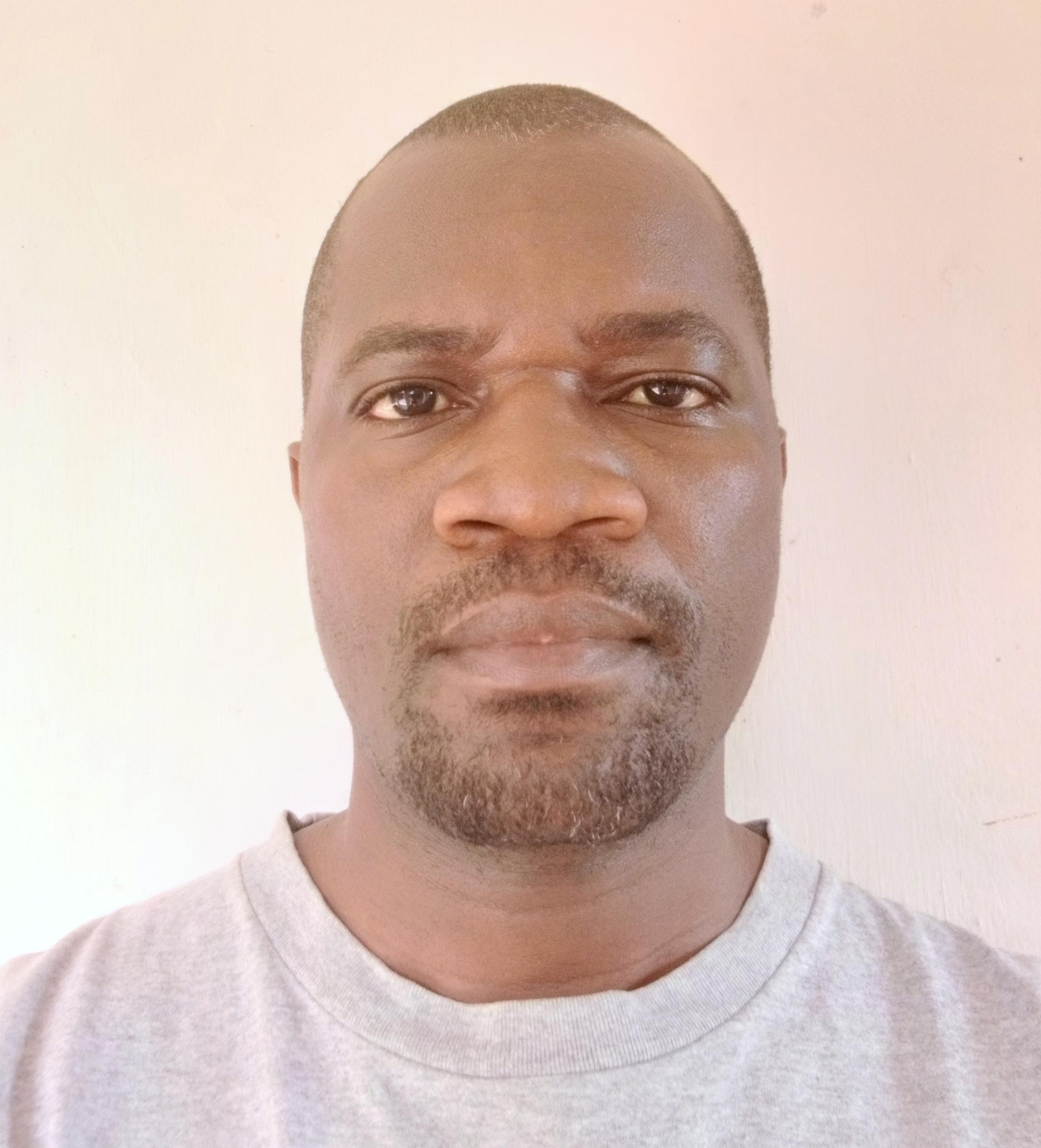
Richard Nyoni
Monitoring and Evaluation, Sustainability Practitioner, Climate Analyst, GIS and Remote Sensing
Richard Nyoni is a Monitoring, Evaluation, and Learning (MEL) specialist with over a decade of experience working with integrated projects involving climate change adaptation and mitigation, natural resource management, restoration, and sustainable development. He holds a Bachelor of Science in Agricultural Economics from the University of Malawi and is completing a Master of Science in Climate Change and Sustainable Development at Lilongwe University of Agriculture and Natural Resources. Richard has led and strengthened MEL systems for large-scale resilience and livelihood programs funded by DFID (now FCDO), the Norwegian Embassy, Irish Aid, and the European Union. His expertise includes managing Management Information Systems (MIS), ensuring data quality assurance, designing digital data collection tools, coordinating district-level implementation teams, and producing high-quality analytical reports, policy briefs, and research papers for donors and stakeholders. His work has directly supported more than 300,000 households across Malawi. Through his extensive engagement in climate resilience–focused projects, Richard has developed a strong commitment to enhancing household adaptive, absorptive, transformative and anticipatory capacities in the face of climate change and variability. He has been instrumental in establishing and monitoring local early warning systems, including the installation and analysis of precipitation data in collaboration with the country’s Department of Climate Change and Meteorological Services. Admission into ARIN offers him a strategic platform to integrate Artificial Intelligence into climate research and practice. He aims to harness AI-driven analytics to develop innovative, evidence-based, and sustainable solutions that strengthen adaptation to climate change and variability at household and community levels. Richard is a member of the Malawi Meteorological Society.
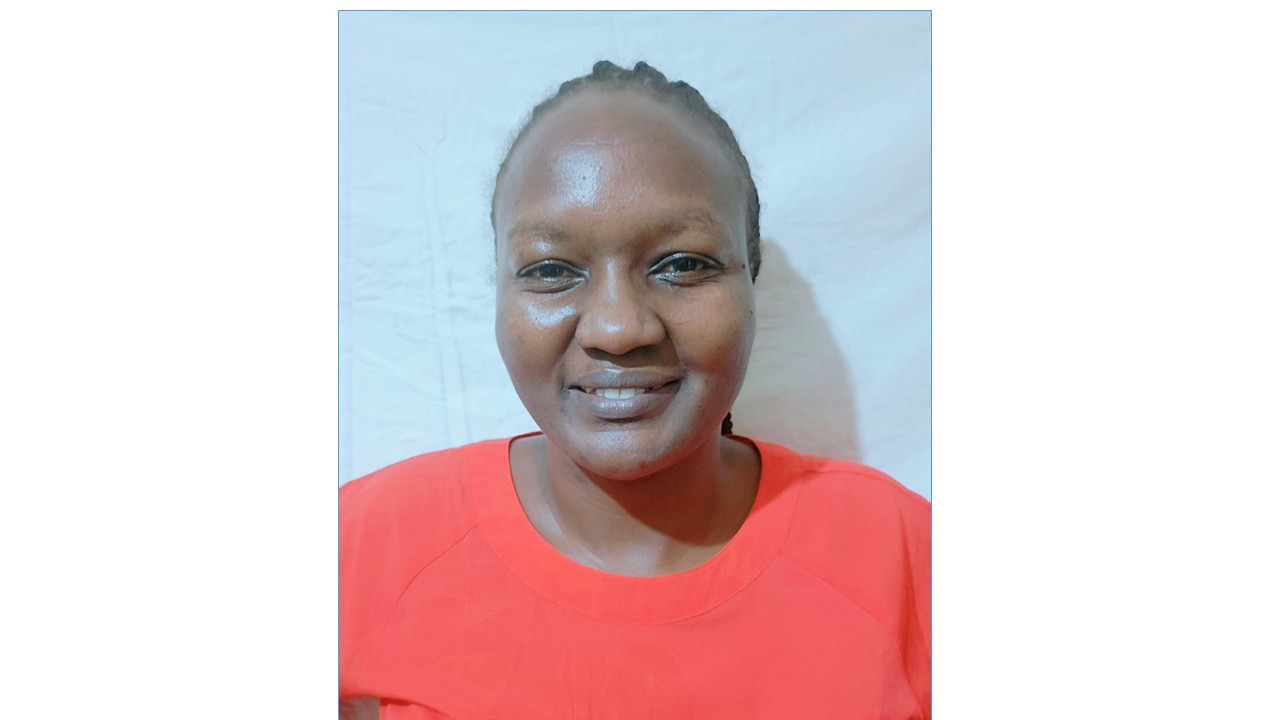
Sharon Rhodah Kaitano
Innovation Ecosystem Strategist
Sharon Rhodah Kaitano is a systems strategist with over 14 years of experience strengthening innovation ecosystems across Kenya, ranging from grassroots agri-value chains to institutional digital transformation. She is the originator of the CAMEAL (Context-Aware MEAL) and CES+ v2 frameworks, which embed data sovereignty, adaptive learning, and green transition principles into operational systems for public research institutes and civil society organizations. Her work bridges African grassroots innovation with international partners, including Christian Aid and CFAO Motors, while navigating complex regulatory environments. Sharon has designed traceability and logistics tools for smallholder farmersparticularly womenthat significantly reduced post-harvest losses and remain in use across six Kenyan counties. She also led enterprise-wide ERP implementation and environmental governance integration at TerraNova Autospares, achieving 100% NEMA compliance. Currently, as Founder & Principal Strategist at Trajectory Strategy & Management Consultants, Sharon advises Kenyan institutions on sovereign digital innovation and responsible AI governance aligned with national regulatory frameworks. She holds a Master of Project Planning & Management from the University of Nairobi and is committed to advancing inclusive, human-centric digital ecosystems that support Africa's green transition and institutional sovereignty.
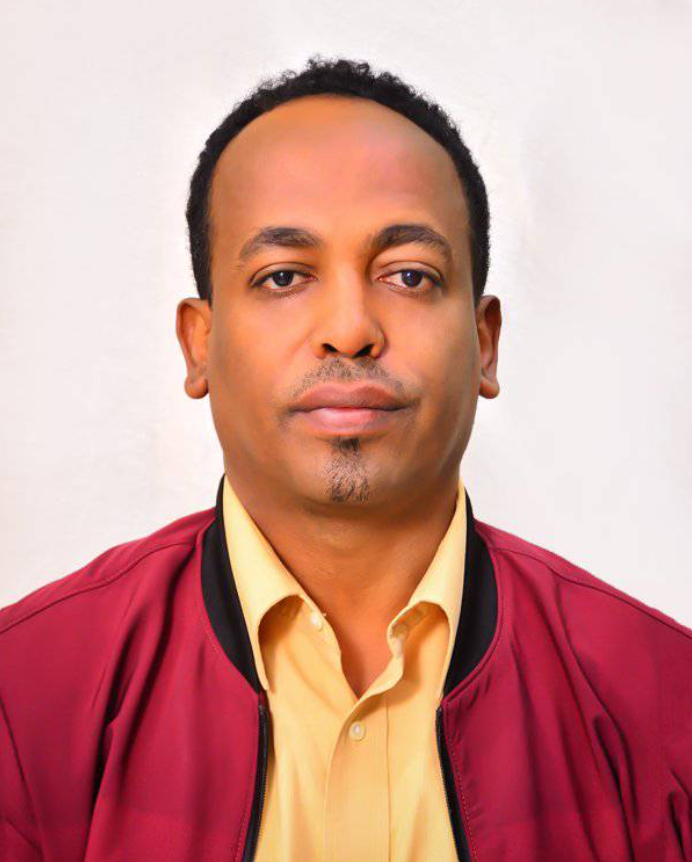
Dr. Shishay Kiros Weldegebriel
Research Fellow at the African Research and Impact Network (ARIN)
Dr. Shishay Kiros Weldegebriel is a Research Fellow at the African Research and Impact Network (ARIN) and holds a Ph.D. in Environment and Climate Change Resilience from Ethiopian Civil Service University. His research focuses on climate change, urban and regional planning, environmental economics and project management, with expertise in AI and Machine learning, Econometrics, GIS and remote sensing, ERDAS Imagine, ENVI, IDRISI SELVA, STATA, CluMondo Scenario Simulator, EViews, SPSS, SmartPLS3, EndNote, AMOS, R, Pyton and C++, Atlas ti., NVIVO, SAS, Microsoft Excel software packages (XLSTAT, Analyze-it, Simulacion 5.0, Solver sensitivity, XLRISK etc.. His current responsibilities include policy advising, teaching, conducting research, and engaging in community service. Over the years, He has acquired substantial experience in policy, teaching and research through active involvement in research projects and participation in both national and international programs. He has published 12 articles and books in peer-reviewed journals and contributed for the advancement of science and bring social change in his community.
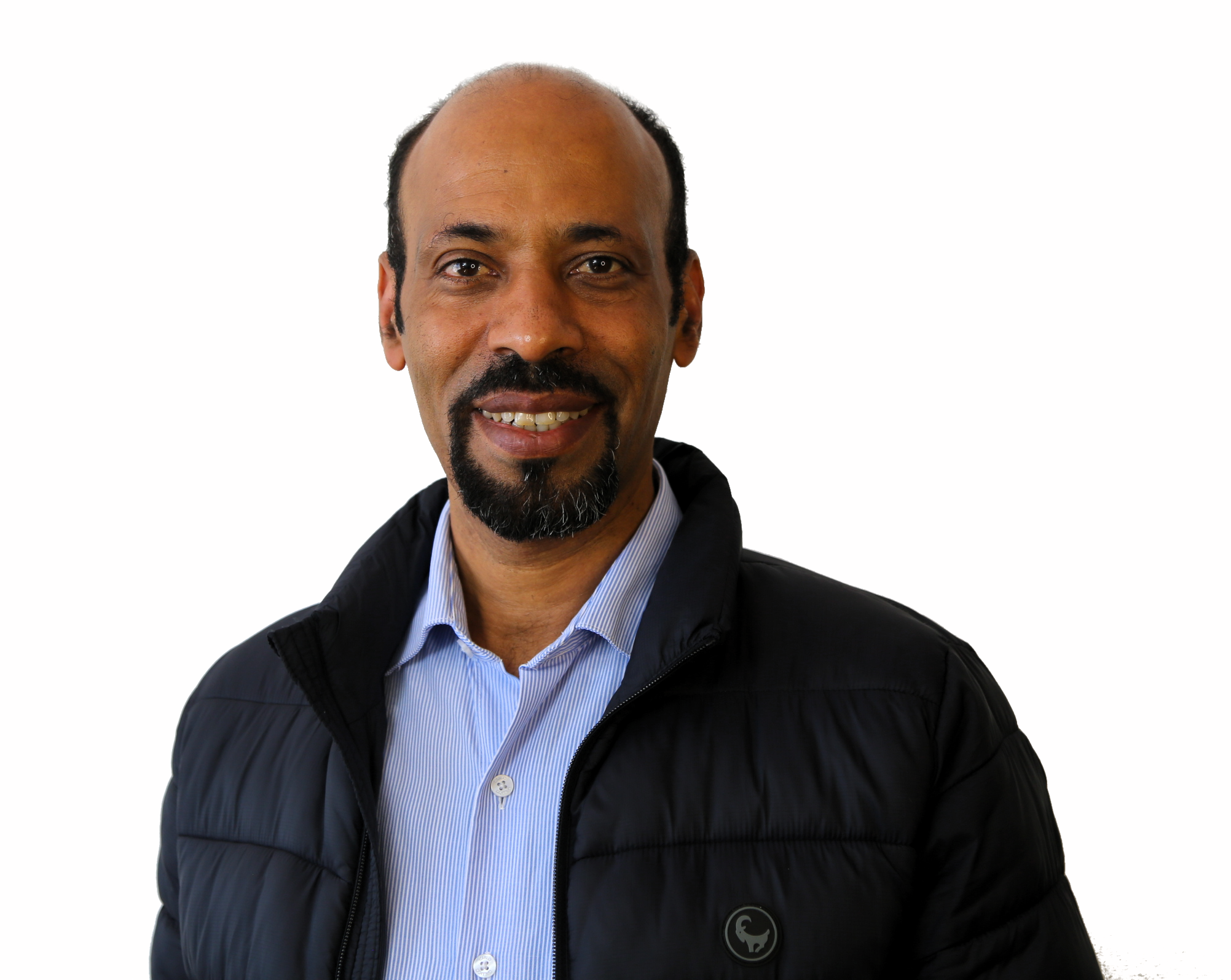
Tesfaye Tessema Gintamo
Postdoctoral Research Fellow at the African Climate and Development Initiative (ACDI), University of Cape Town, South Africa
Dr Tesfaye Tessema Gintamo holds a PhD in Environmental and Water Science from the University of the Western Cape, South Africa and a Master of Science in Hydrogeology (Earth Science) from Addis Ababa University, Ethiopia. His current research focuses on understanding how climate change and land use/land cover influence soil moisture dynamics, subsurface runoff, and groundwater recharge, particularly in data-scarce regions of Southern Africa, by integrating JULES model outputs with Earth observation data, geospatial analysis, GIS, machine learning, and statistical techniques. Tesfaye has experience working with geospatial platforms, including QGIS, ArcGIS, Remote sensing, Google Earth Engine, and Python-based spatial analytics, and applies GeoAI tools to analyse complex environmental datasets. He is also developing scalable workflows combining satellite indicators such as vegetation indices, drought indices and soil moisture to monitor drought and water availability in agriculture. Tesfaye has also actively participated in numerous data science challenges (Zindi), applying machine learning to problems including water quality dynamics, crop classification, precipitation forecasting, soil nutrient prediction, landslide detection, and climate impact analysis across Africa. His research aims to translate climate and satellite data into practical decision-support tools for climate resilience, groundwater sustainability, and evidence-based land and water management in Africa. Tesfaye is passionate about leveraging AI and geospatial tools to improve water security and climate resilience. He has authored several peer-reviewed journal articles and conference presentation papers. He is a member of the Golden Key International Honour Society and also a reviewer member for the international journal Earth Sciences (EARTH).
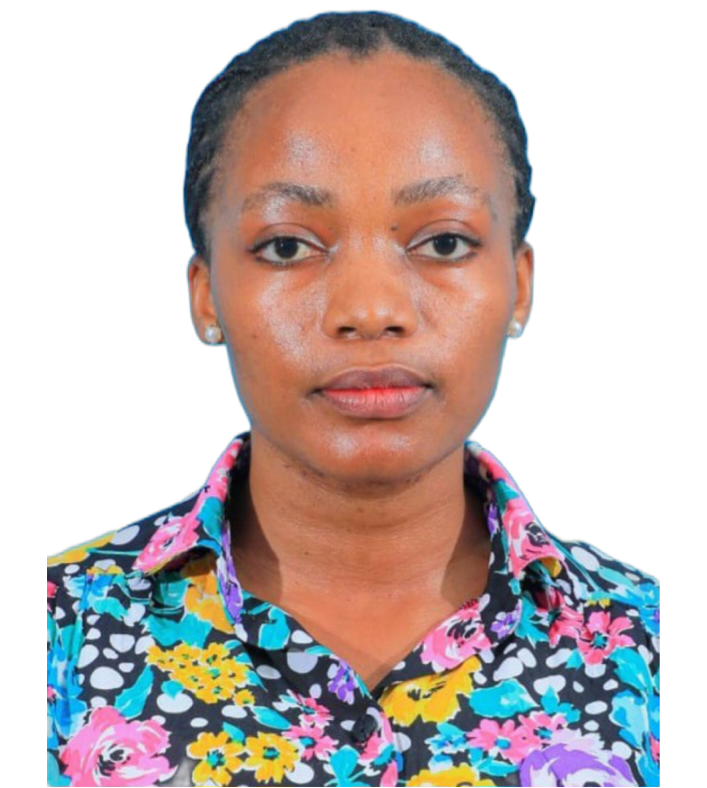
Upendo Lyimo
Upendo Ernest Lyimo is a climate change researcher, currently a PhD candidate in Climate Change and Sustainable Development at the University of Dar es Salaam. She holds a Master of Science in Geographical Information Systems (GIS) and Remote Sensing and a Bachelor’s degree in Geography and Environmental Studies. Her research focuses on climate-induced Loss and Damage (L&D) among agro-pastoral communities in semi-arid Tanzania. She applies Artificial Intelligence (AI), machine learning, GeoAI, and advanced spatial modelling within GIS and remote sensing environments to analyse climate variability, drought severity and vegetation dynamics, and long-term environmental change. Her work integrates AI-driven climate data analysis, predictive modelling, and geospatial decision-support systems to strengthen evidence-based adaptation planning and resilience strategies. Upendo is also the Founder and Executive Director of Sustainable Futures Initiative (SFI), a Tanzania-based organization advancing climate resilience, community empowerment, environmental sustainability, and data-driven development. Through SFI, she promotes the use of AI, climate data analytics, and participatory research to support vulnerable communities, enhance local adaptive capacity, and inform inclusive climate policy and finance processes. Her work bridges science, technology, and community-centered action, contributing to climate-resilient development pathways grounded in robust data, innovation, and social equity.
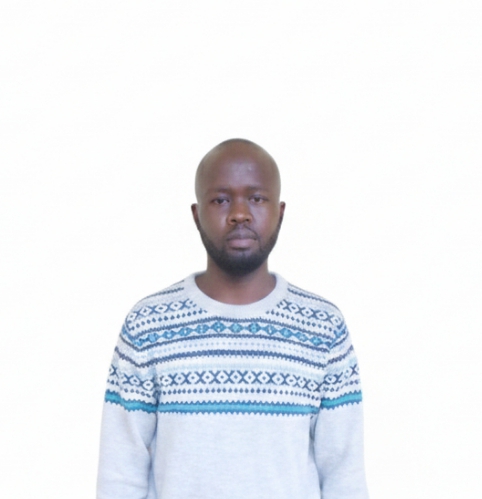
Victor Onyango
Victor Onyango is a development researcher and evidence-informed policy practitioner with over six years of experience working at the intersection of youth employment, governance, and sustainable energy transitions across Africa. He currently serves as a Consultant and Youth Reference Group Member at Pan-African Collective for Evidence, where he provides critical reviews of work plans and outputs from the Youth Employment and Evidence Insights Hub, advising on gender equity, decolonial perspectives, and authentic youth voice representation within evidence ecosystems. Previously, Victor worked as a Research Associate at Partnership for African Social & Governance Research in Nairobi, contributing to the Young Women and Men’s Aspirations and Resilience (AYAR) project. He led literature reviews, developed research tools, coordinated multi-country data collection, and co-authored policy briefs and synthesis reports. He also facilitated evidence-informed policy dialogues through the Utafiti Sera forums, convening policymakers, civil society actors, and academics around youth employment and governance issues. Victor has undertaken research consultancies with Pamoja Trust and the University of Oslo, contributing to evidence-informed policy workshops and conducting in-depth analysis on Africa’s sustainable energy transition, including field-based research on the Lamu Coal Power Station and Lake Turkana Wind Power projects. Earlier in his career, he worked with the Institute for Development Studies, University of Nairobi on governance research under the SADES-K project and with the African Research and Impact Network on sustainable energy and climate action planning at the county level. He began his research career at the African Centre for Technology Studies, supporting climate resilience programming and contributing to a major report on Cooperative Climate Action presented at the UN Climate Action Summit. Victor brings strong expertise in qualitative and mixed-methods research, stakeholder engagement, policy analysis, and youth-centered evidence systems. His work is driven by a commitment to inclusive development, climate resilience, and strengthening the role of African youth in shaping policy and governance processes.

Virginia Wamboi
Virginia Wamboi Gacuthi is a Water and Environmental Specialist with an MSc in Water Policy and a BSc in Water and Environmental Management. She has practical experience in water supply and sanitation, environmental impact assessment, and infrastructure supervision, with a strong focus on sustainable resource management and climate resilience. Her work spans water governance, climate change adaptation and mitigation, solid waste management, and WASH programming. As a Policy Analyst under the Green Finance Hub, Virginia contributes to policy research and analysis on climate finance, sustainable agriculture, and environmental governance. Her role includes reviewing policy frameworks, conducting evidence-based analysis, and contributing to the development of policy briefs and analytical reports that support sustainable financing mechanisms. Through this work, she supports initiatives that promote climate resilience and environmentally sustainable development, with a particular interest in strengthening the link between scientific research, policy design, and practical implementation. Virginia is also a founding member of Mkulima Care Ltd., where she works with farmers to promote sustainable and climate-smart agricultural practices, particularly through Black Soldier Fly farming as a solution for organic waste recycling. Through this initiative, she trains farmers on BSF production techniques, supports the establishment and management of BSF colonies, and demonstrates how organic waste can be converted into valuable products such as biofertilizer and high-protein animal feed. Her work helps farmers adopt cost-effective waste management solutions while improving soil health and creating additional income opportunities. Her professional interests include water supply and sanitation, climate change adaptation and mitigation, environmental impact assessment and audit, and research, policy analysis, and documentation aimed at advancing sustainable and resilient development in Africa.
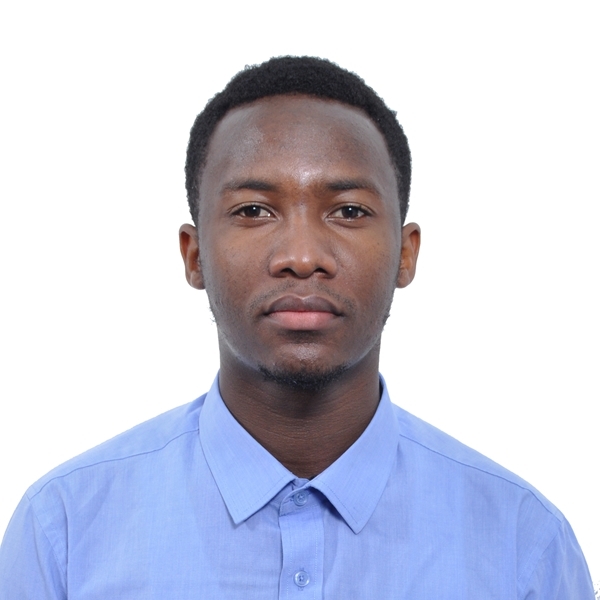
Yvan Igor Ahishakiye
Yvan Igor AHISHAKIYE is a Software Engineer and Climate Change Engineering specialist with an interdisciplinary interest in applying technology to address environmental and societal challenges. He holds a Bachelor’s degree in Science and Technology with a specialization in Software Engineering and a Master’s degree in Climate Change Engineering. His work focuses on the intersection of digital technologies, data analysis, and climate resilience to support sustainable development and disaster risk reduction. He has experience in full-stack development using modern web technologies and has worked on projects involving web and mobile application development, data analysis, and the integration of geospatial and environmental information systems. His academic interests include climate resilience, disaster risk management, environmental data analysis, and the role of digital innovation in addressing climate-related challenges. Passionate about innovation and sustainability, he aims to bridge the gap between climate science and technology by developing practical solutions that support informed decision-making and resilient communities.
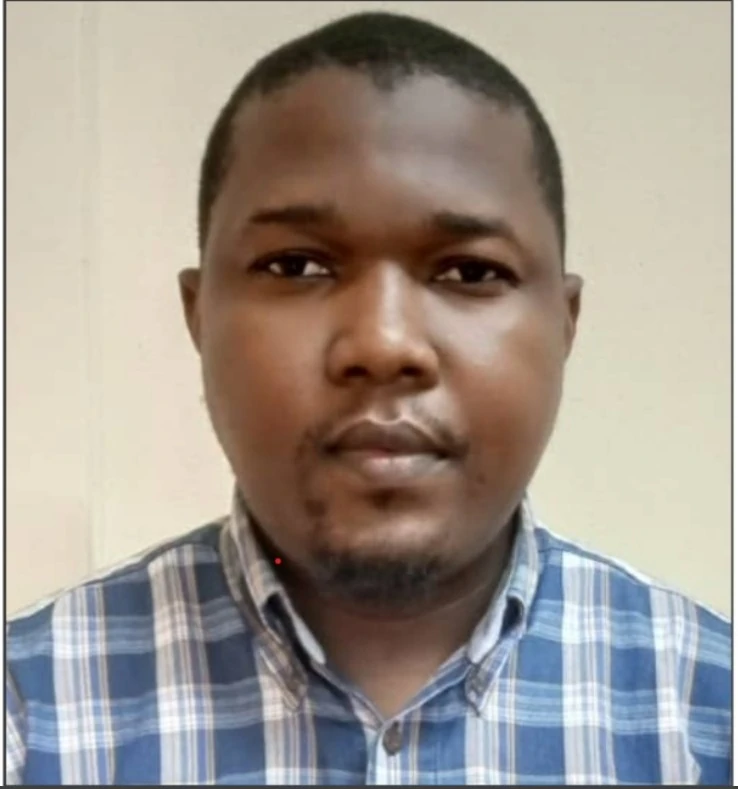
Abdel Nasser Yahaya
coming soon
Afuye Gbenga
coming soon
Alexis Nzeyimana
coming soon
Brighton Chunga
coming soon

Chiamaka Ikeh
coming soon

Deborah Mong'ina
coming soon

Deborah Mukundwa
coming soon
Afuye Gbenga
coming soon
Durix Njiha
coming soon

Francine NISHIMWE
coming soon
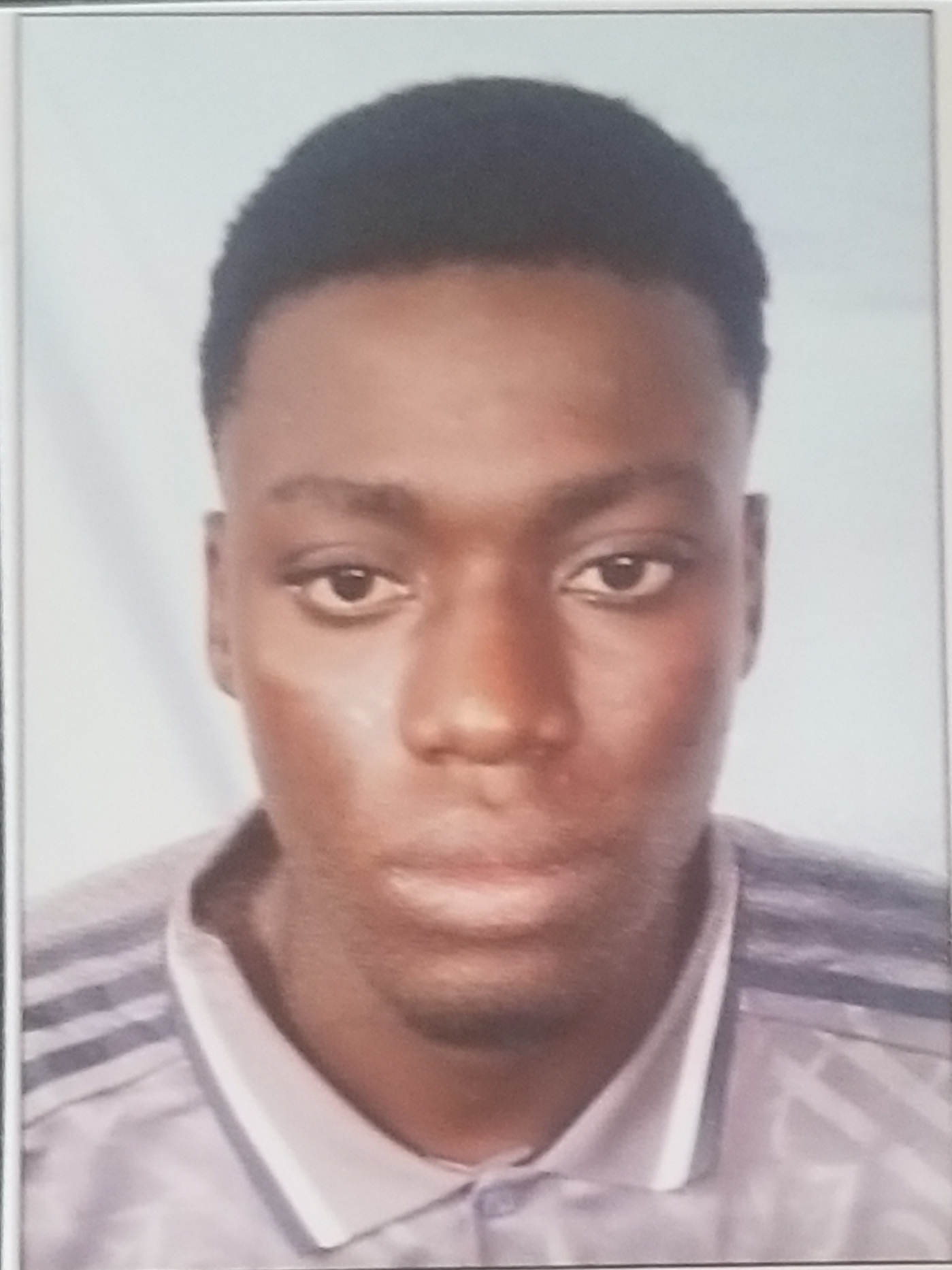
Fredy HOUNDAYI
coming soon
Fredy HOUNDAYI
coming soon
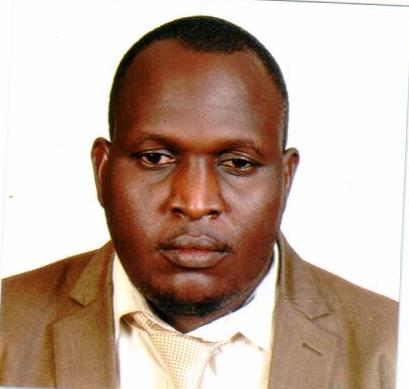
Geoffrey Lelenguyah
coming soon
Gercio Bila
coming soon
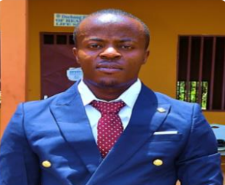
Ghislain Landry MOTENG
coming soon
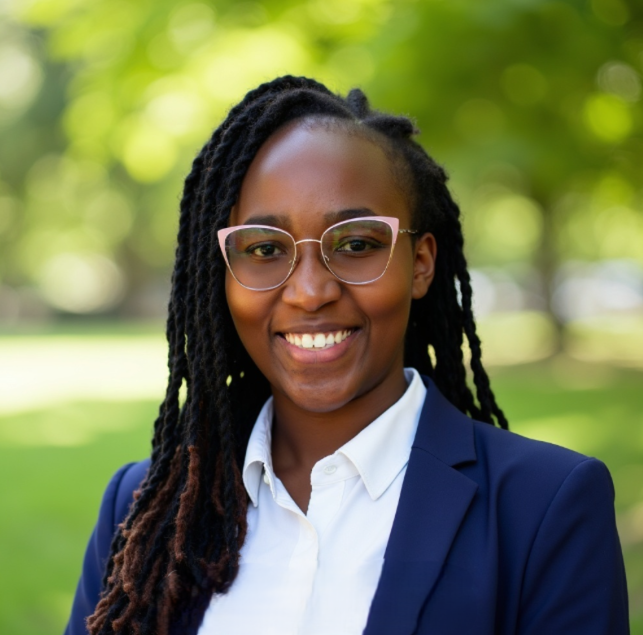
Grace Kaimburi
coming soon
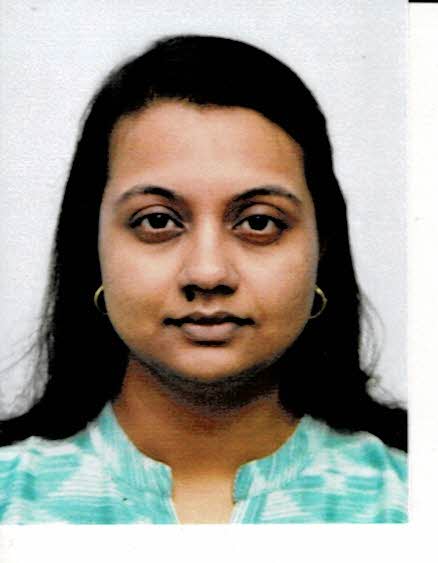
Hanusha Bhakhoa
coming soon
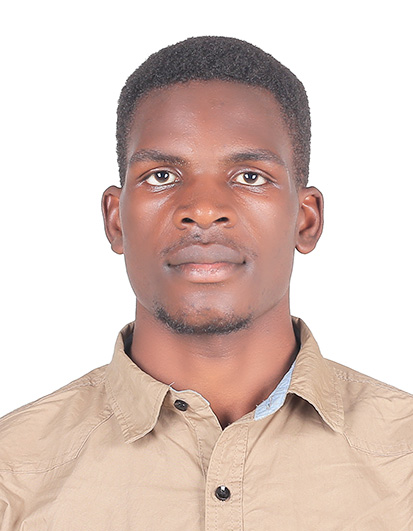
Humphrey Atwijukiire
coming soon
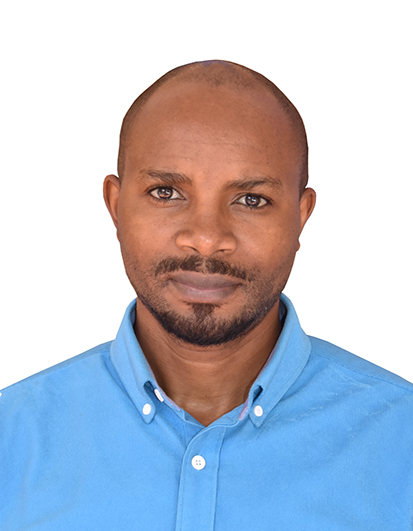
JOSEPH CHARITE HAZABINTWARI
coming soon
Judith Ssali
coming soon
Ka Yi Karen Chung
coming soon
kempango Lilian
coming soon

Kibet Tonui
coming soon
Kwame Ofori
coming soon
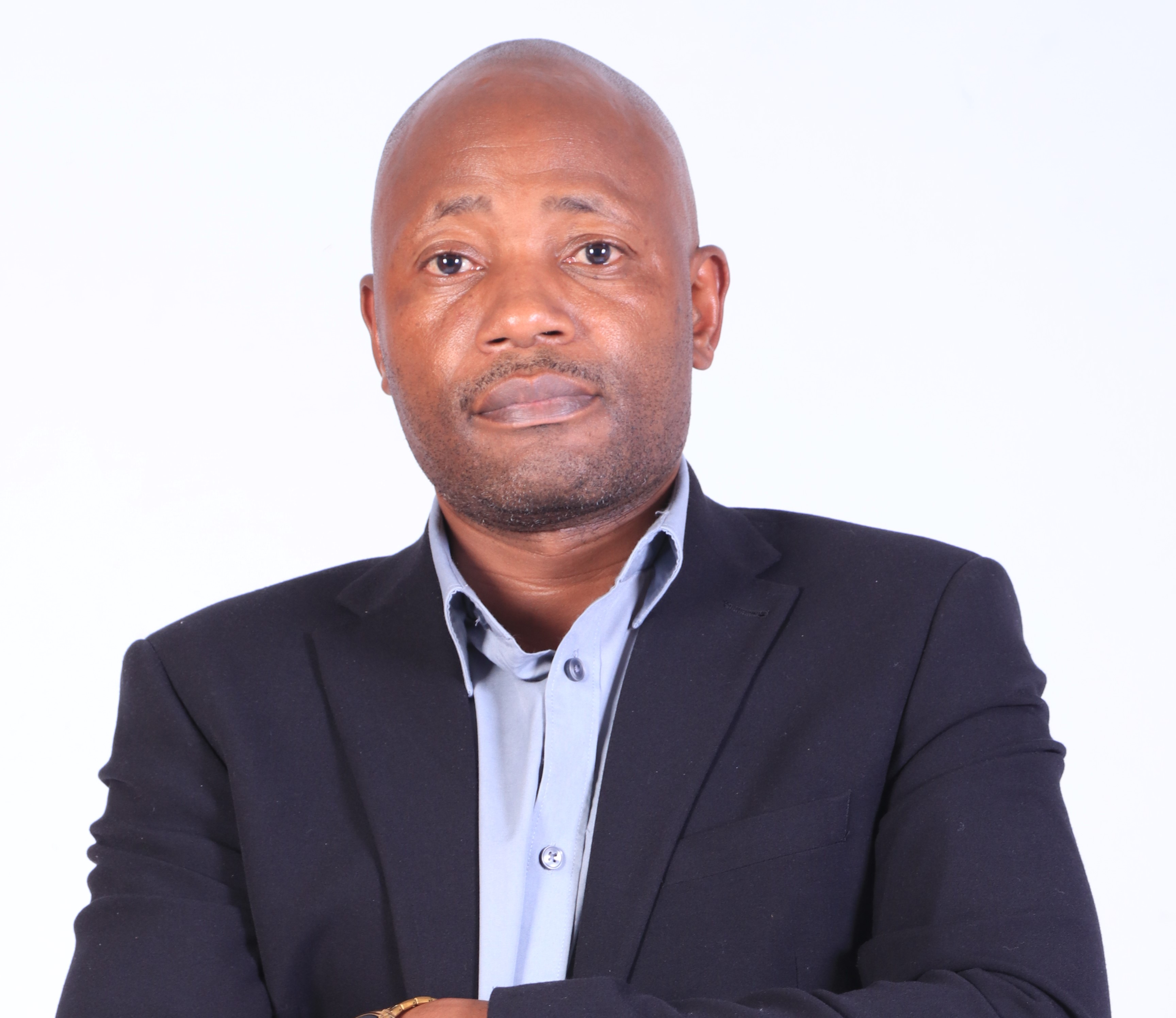
Lazarus Chapungu
coming soon
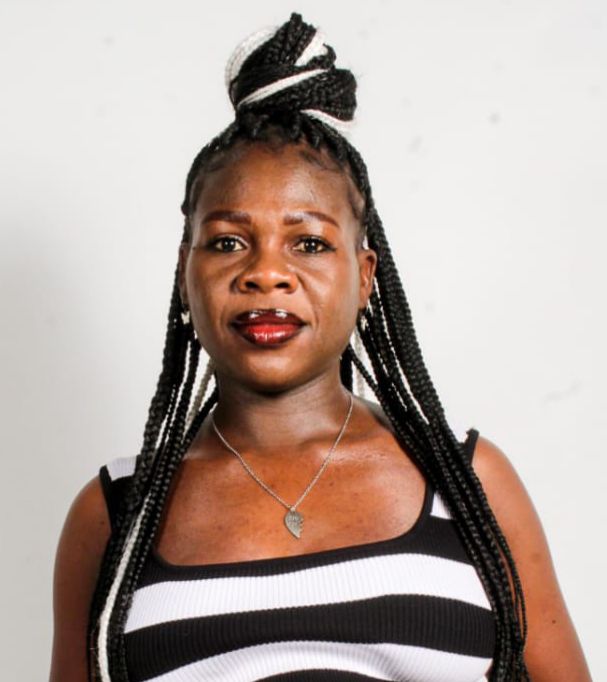
Lerato Tshoteli
coming soon
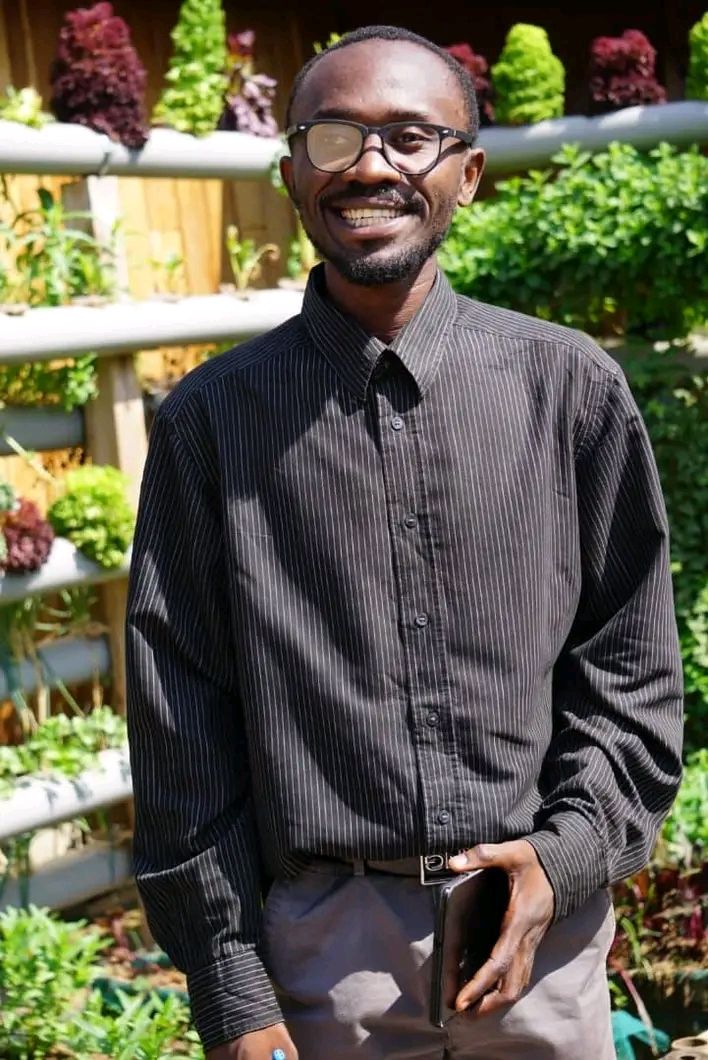
MAITHA MATHIAS
coming soon

Maria Nelago Kanyama
coming soon

Mashazi Kamashazi Chantal
coming soon
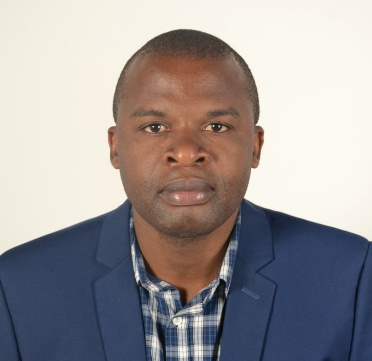
Mashford Zenda
coming soon
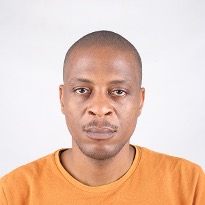
matiza collins
coming soon

Mercy Chepkurui Mutai
coming soon
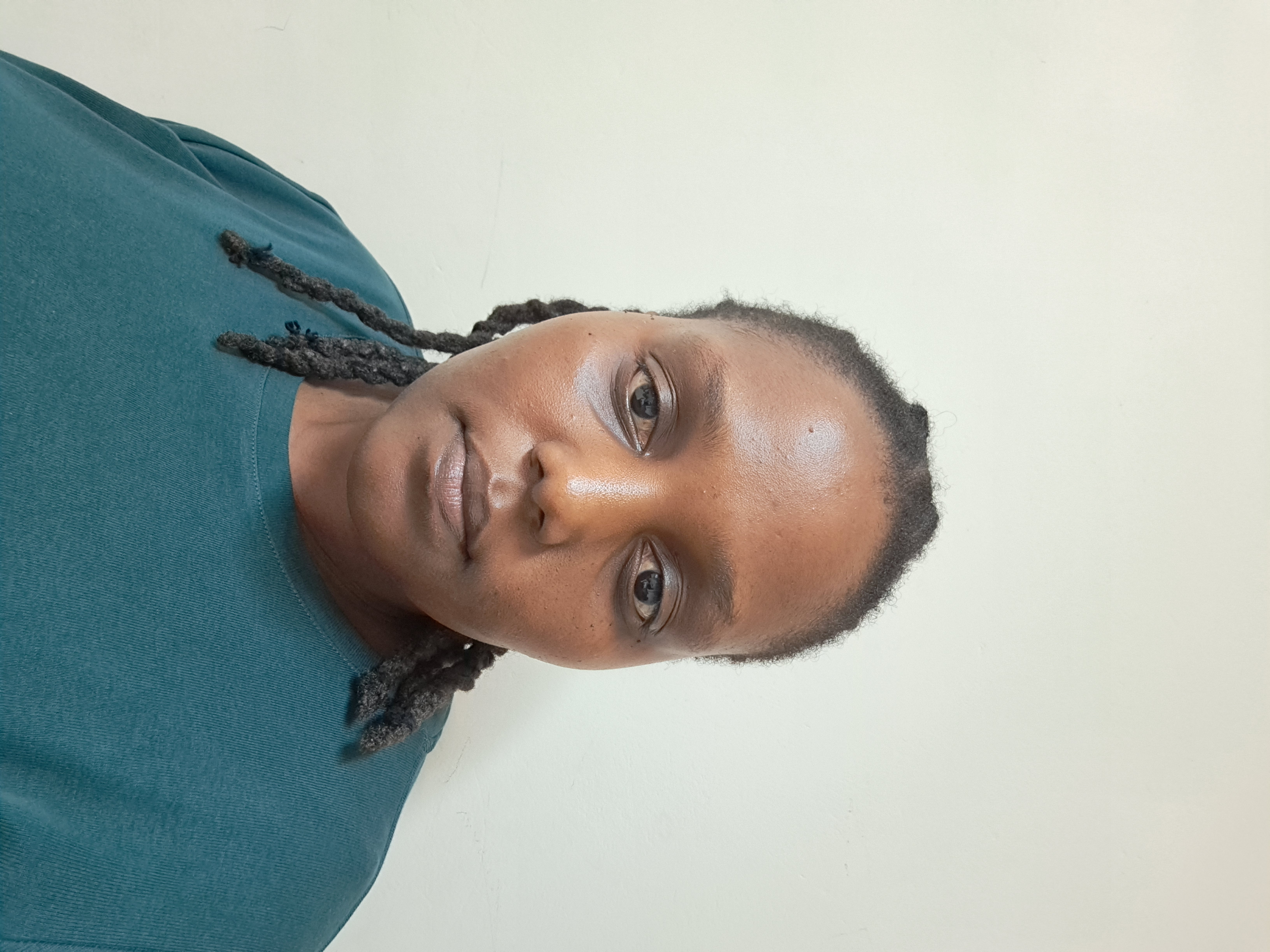
Nthabeleng Nkoko
coming soon
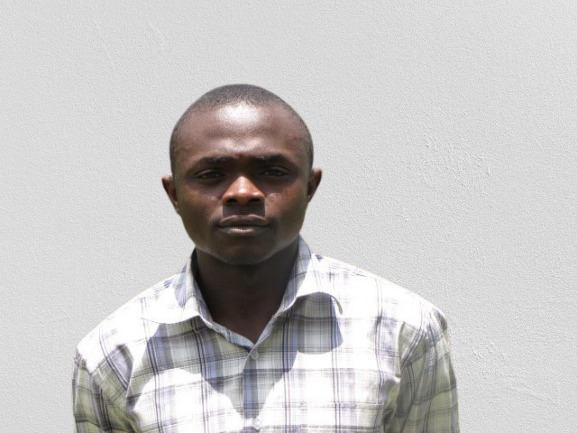
Philipo J Mtweve
coming soon
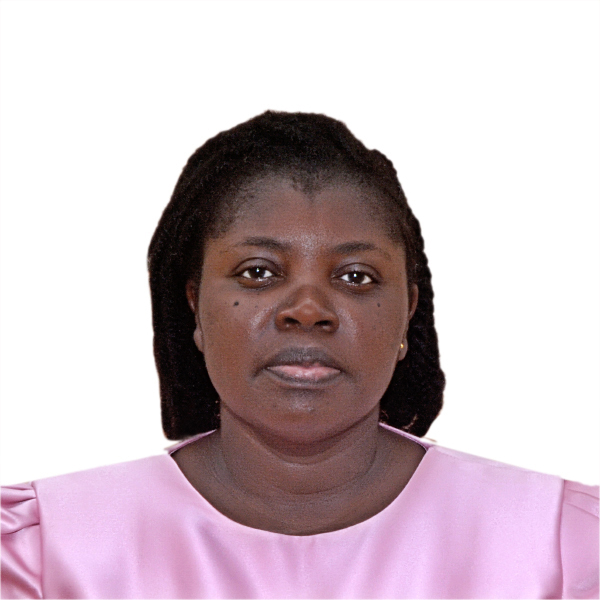
Renee Opoku - Ntim
coming soon
Rodgers Makwinja
coming soon
Samira Matan
coming soon
Sarah Elikplim Siabi
coming soon

Sharon Onyango
coming soon
SIYAD ABDIRAHMAN
coming soon

Solomon Katembera Ciza
coming soon
stellamarie Ireri
coming soon
Steven Yirenkyi
coming soon
Takudzwa Mharadze
coming soon

Teopolina Nantinda
coming soon
Thomas Kangah
coming soon
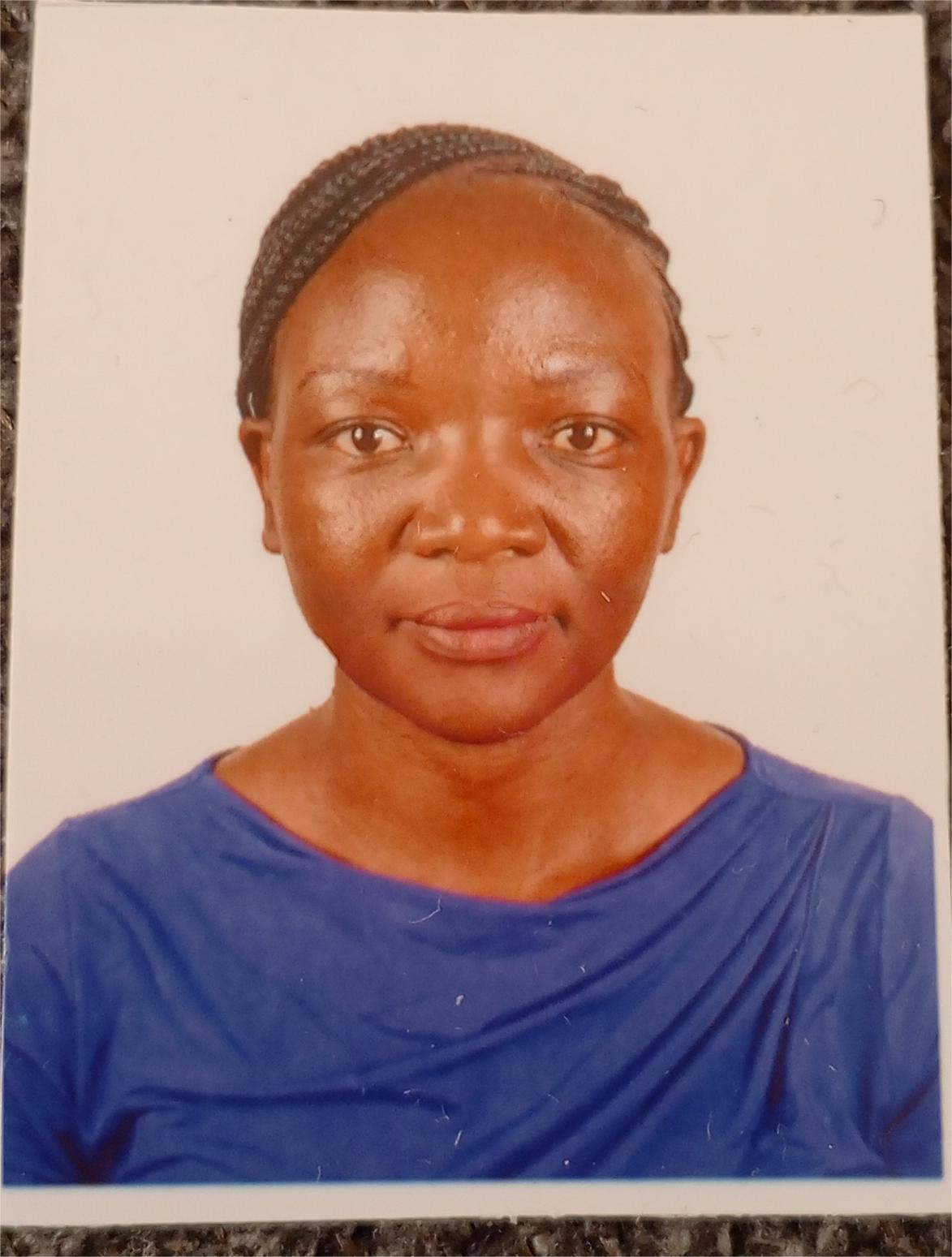
walubwa Jacquiline
coming soon

Yetunde Olasimbo Mary Oladokun
coming soon
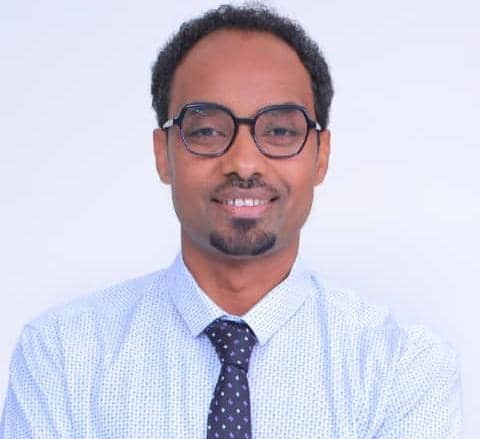
Zewdneh Sabe
coming soon